If you want the best Studio Ghibli movies about family, start with My Neighbor Totoro, Kiki’s Delivery Service, Ponyo, Spirited Away, and Castle in the Sky. They approach family in different ways: biological family, chosen family, temporary guardians, lonely children finding safe adults, and young people learning how to carry home with them when life changes.
Quick ranking: the best Ghibli family movies
| Rank | Movie | Best family angle | Best for |
|---|---|---|---|
| 1 | My Neighbor Totoro | Sisters, parents, childhood security, and community care | Comfort viewing and younger families |
| 2 | Kiki’s Delivery Service | Leaving home while still being loved by it | Teens, students, and anyone starting over |
| 3 | Ponyo | Parent-child trust, promises, and big feelings | Young viewers and parent-child rewatches |
| 4 | Spirited Away | A child separated from parents who builds temporary support systems | Older kids, adults, and first-time Ghibli viewers |
| 5 | Castle in the Sky | Orphans, loyalty, protection, and chosen family | Adventure fans |
1. My Neighbor Totoro
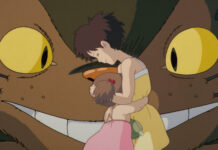
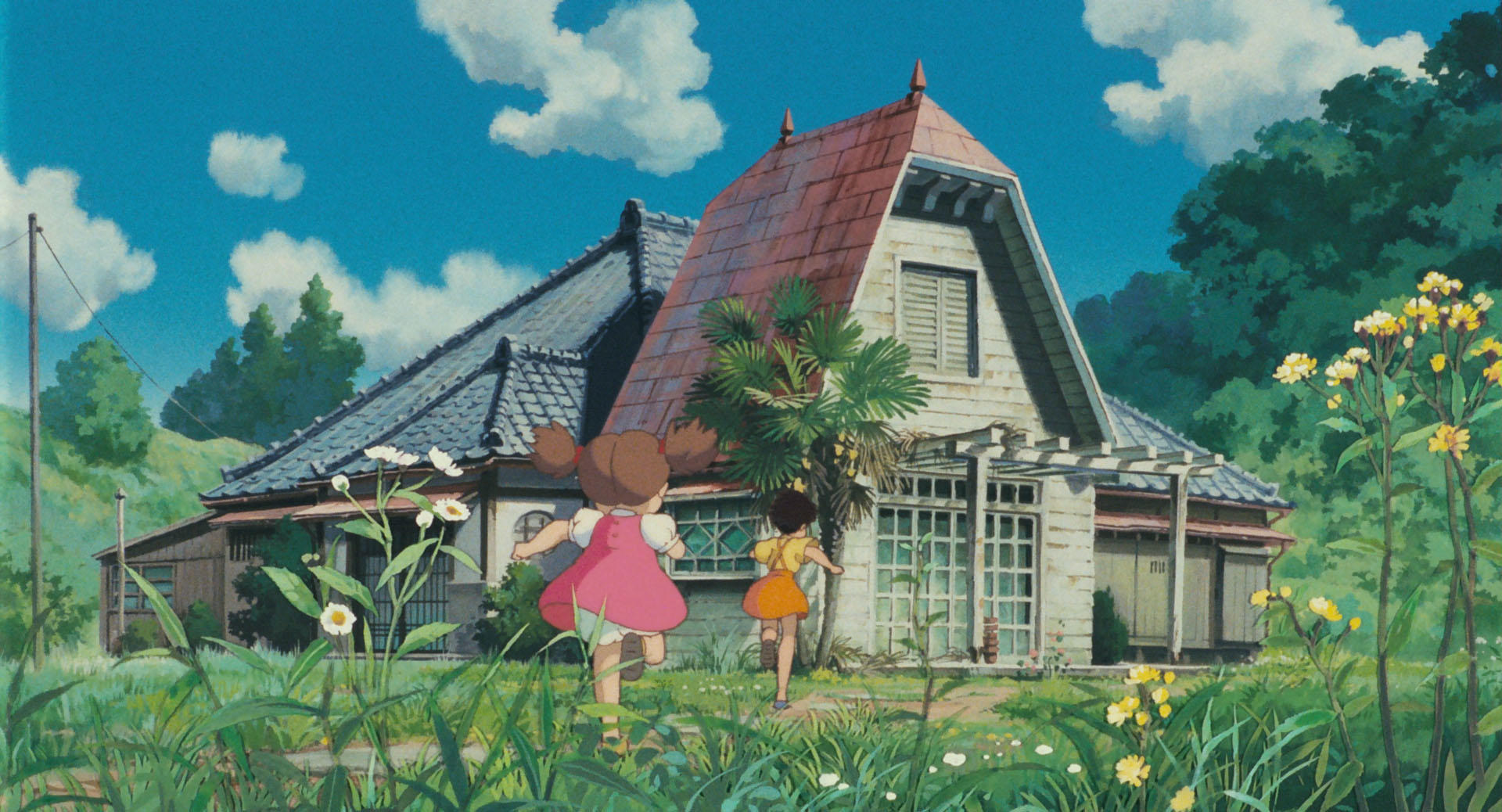
My Neighbor Totoro is the clearest Studio Ghibli family film because its drama is not built around a villain. The story follows Satsuki and Mei as they move to the countryside with their father while their mother is recovering in hospital. That setup could become melodrama, but the film handles it with gentleness: the girls are scared, curious, bored, delighted, and impatient in the way real children are.
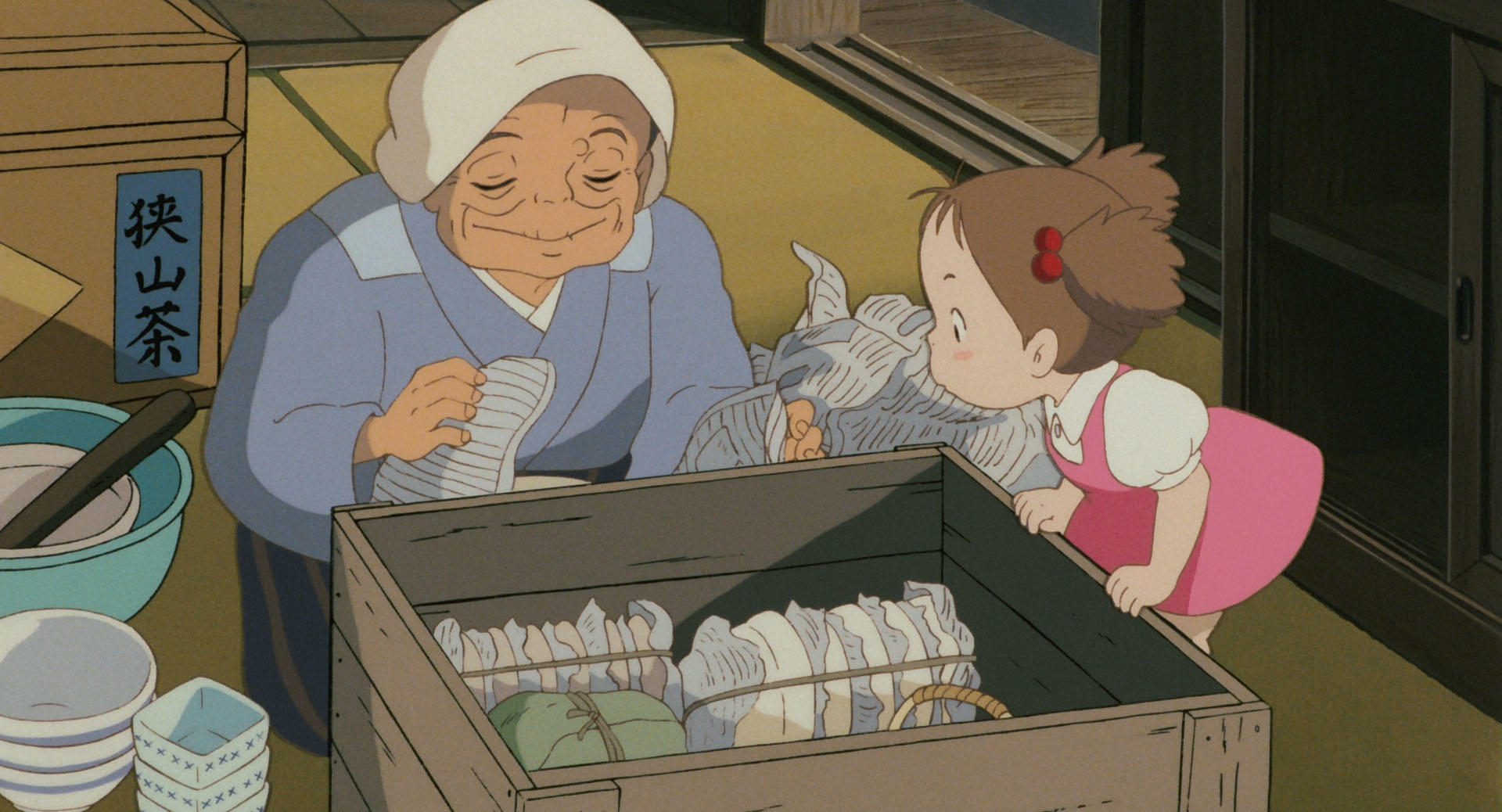
The family theme works because the movie makes ordinary care feel meaningful. Their father listens to them. The neighbours help without making a speech about helping. Granny watches over Mei. Even Totoro feels less like a fantasy mascot and more like a child’s emotional shelter when the adult world becomes too big to understand.
If someone asks for a Ghibli film about home, this is the first recommendation. It is also one of the safest starting points for viewers who want warmth rather than heavy conflict. For broader placement, pair it with our best Studio Ghibli movies for beginners guide.
2. Kiki’s Delivery Service
Kiki’s Delivery Service is not about staying with family. It is about leaving family without losing it. Kiki’s parents only appear briefly, but their presence shapes the whole film. The opening scenes show a young witch who is loved, trusted, and gently pushed out into the world. That balance matters: Kiki is independent, but she is not abandoned.
The film then builds a second kind of family around her. Osono gives Kiki a room and work. Ursula gives her perspective. Tombo offers friendship even when Kiki does not know how to receive it. None of these relationships replace her parents. They show how chosen family can help a young person become more herself.
That makes Kiki one of the best Ghibli watches for anyone going through a move, a first job, a university year, a burnout spell, or the strange loneliness of becoming capable. It is a family movie for the stage where family becomes a base rather than a cage.
3. Ponyo
Ponyo is chaotic, bright, and very young at heart, but beneath the waves it is a story about trust. Sosuke’s mother Lisa gives him responsibility without treating him like an adult. Ponyo’s father Fujimoto is overprotective and frightened. Granmamare brings a wider, calmer sense of balance. The result is a family story where love can be messy, loud, and imperfect.
The film is especially strong for parent-child viewing because its emotional stakes are easy to feel. A promise matters. A missing parent matters. A storm at night matters. Children may not parse every mythic detail, but they understand the fear of separation and the relief of being found.
For readers who want to go deeper, the site also has a dedicated Ponyo ending explained guide.
4. Spirited Away
Spirited Away begins with family failure: Chihiro’s parents dismiss her anxiety, trespass into a strange place, and are transformed after eating food that is not theirs. The film then separates Chihiro from them and asks whether she can survive without the people who were supposed to protect her.
That is why it belongs on a family-movie list even though much of it takes place away from home. Chihiro gradually forms temporary, fragile, but real bonds with Haku, Lin, Kamaji, and even No-Face in a complicated way. The bathhouse is not a safe family, but it teaches her how to recognise help, danger, greed, labour, and identity.
For older children and adults, this is one of Ghibli’s richest found-family stories. It shows that family is not only who you start with. Sometimes it is also the people who help you remember your name when the world is trying to rename you.
5. Castle in the Sky
Castle in the Sky is a more adventure-driven pick, but family runs through it strongly. Sheeta and Pazu are both shaped by loss, inheritance, and memory. They are children carrying adult-sized histories, and the film gives them a bond based on loyalty rather than romance-first storytelling.
The air pirates also complicate the idea of family. Dola’s crew are ridiculous, greedy, and loud, yet they operate like a household. Their affection is rough-edged, but it becomes protective when the story needs it. That shift is one of the reasons the film still feels generous rather than purely action-led.
If your definition of a family film includes adventure, bravery, and a makeshift crew slowly becoming trustworthy, Castle in the Sky deserves a high place.
Other Ghibli family films worth considering
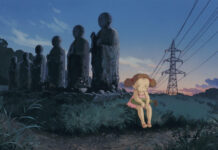
Only Yesterday is excellent for adults thinking about childhood and memory, though it is less of a family-night pick. From Up on Poppy Hill is heavily shaped by parents, history, and inherited stories. The Tale of the Princess Kaguya is one of the studio’s most powerful family tragedies, but it is emotionally heavier and less comforting than the films above.
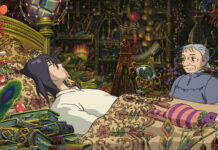
Howl’s Moving Castle also has a found-family structure, especially around Sophie, Markl, Calcifer, and Howl, but its romance and war themes tend to dominate the search intent. It is still a strong related watch after Kiki or Spirited Away.
Best picks by viewer mood
- Most comforting: My Neighbor Totoro
- Best for leaving home: Kiki’s Delivery Service
- Best for younger children: Ponyo
- Best found-family arc: Spirited Away
- Best adventure family: Castle in the Sky
- Most emotionally intense: The Tale of the Princess Kaguya
FAQ
What is the most family-friendly Studio Ghibli movie?
My Neighbor Totoro is usually the safest answer. It is gentle, warm, short, and built around sibling life, neighbourly care, and childhood wonder rather than frightening villains.
Which Ghibli movie is best for a parent and child to watch together?
Ponyo works especially well for younger children, while Kiki’s Delivery Service is a better parent-child rewatch for older kids, teenagers, or anyone preparing to leave home.
Which Studio Ghibli movie has the strongest found family theme?
Spirited Away and Castle in the Sky are the strongest found-family picks. Both follow children who survive by building trust outside their original families.
Where to go next
If you are planning a wider watchlist, start with the Studio Ghibli movies in order guide, then use the Studio Ghibli movies by mood guide to match your next film to the kind of evening you want.
Image note: official Studio Ghibli still from ghibli.jp. Studio Ghibli’s work pages include the notice: “画像は常識の範囲でご自由にお使いください。”