The best Studio Ghibli movies about courage are not just the ones with sword fights, flying machines, or dramatic rescues. They are the films where a character is frightened, lonely, unsure, or outmatched, then chooses one honest step forward anyway. If you want a brave Ghibli story tonight, start with Castle in the Sky, Princess Mononoke, Spirited Away, Kiki’s Delivery Service, or Nausicaä of the Valley of the Wind.
This guide is written for viewers who want a clear watch list, not vague inspiration. Some of these films are big adventure stories. Some are quiet coming-of-age stories. All of them treat courage as something more interesting than fearlessness.
Quick answer: the best Ghibli courage watch list
- Castle in the Sky, best for adventure courage, trust, and standing up to power.
- Princess Mononoke, best for moral courage when no side is completely clean.
- Spirited Away, best for anxious viewers who want a story about growing braver step by step.
- Kiki’s Delivery Service, best for everyday courage, burnout, independence, and trying again.
- Nausicaä of the Valley of the Wind, best for compassionate courage and protecting life in a damaged world.
- My Neighbor Totoro, best for gentle courage in childhood uncertainty and family worry.
- Howl’s Moving Castle, best for emotional courage, self-acceptance, and choosing care over performance.
1. Castle in the Sky: courage as action before certainty
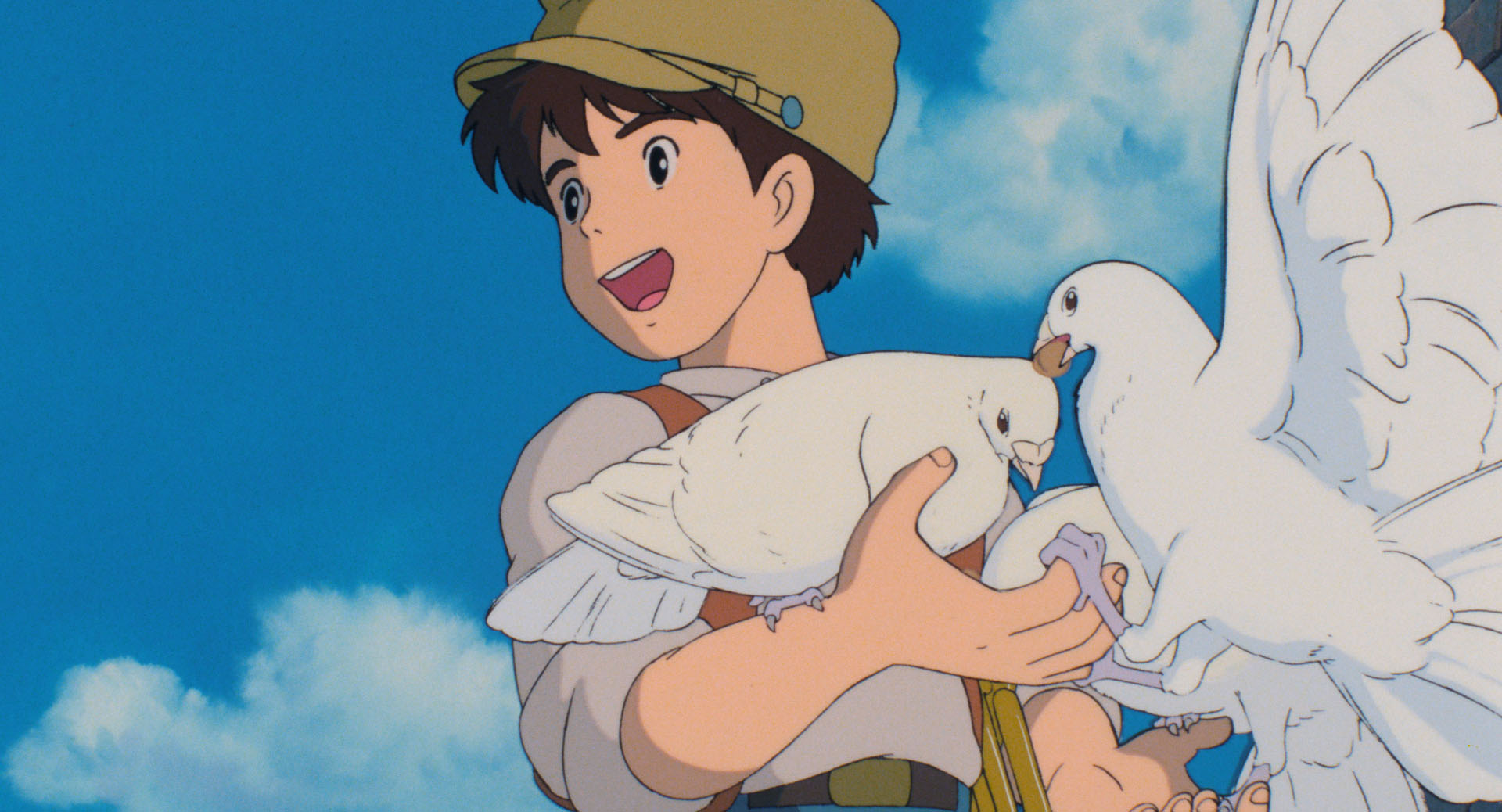
Castle in the Sky is one of the strongest Ghibli choices when you want a classic adventure about bravery. Pazu and Sheeta are young, chased, and surrounded by adults with far more power. Their courage is not built from confidence. It comes from loyalty, quick decisions, and refusing to let greed decide the future of Laputa.
That makes the film especially useful for new viewers. It gives you airships, robots, secret identities, pirates, and ruins, but the emotional core is simple: two children keep choosing each other when the sensible thing would be to run. The courage here is practical. Climb. Hide. Trust. Jump. Tell the truth. Protect what should not belong to violent people.
If you are building a beginner sequence, pair this with the site’s Studio Ghibli movies in order guide or use it after a softer first watch like My Neighbor Totoro.
2. Princess Mononoke: courage when there is no easy side
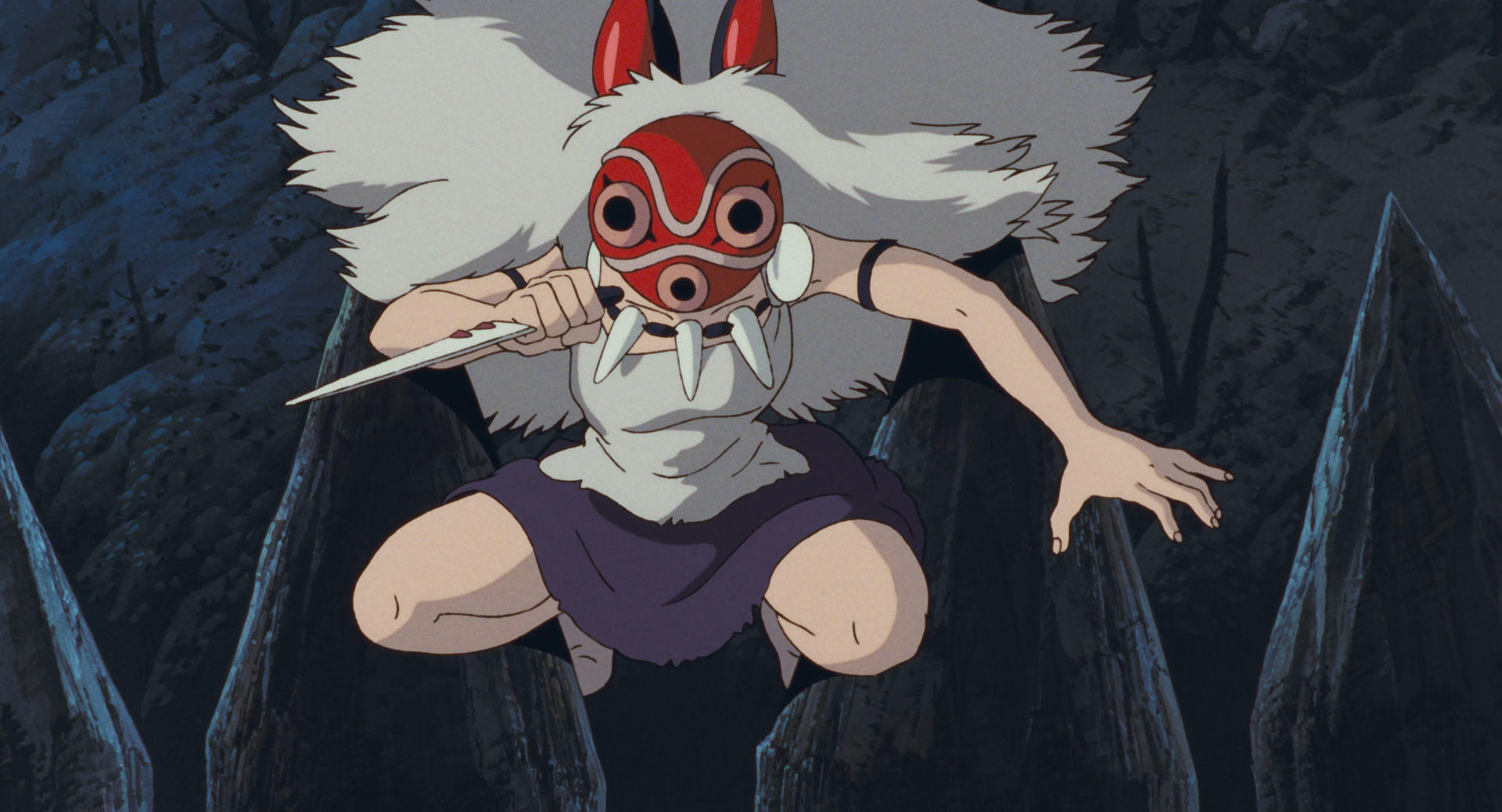
Princess Mononoke is probably the most intense film on this list. Its courage is not cosy or simple. Ashitaka is brave because he keeps looking directly at pain, hatred, environmental destruction, and human need without pretending one clean answer will fix everything. San is brave in a different way: she lives with fury, loyalty, and a wounded identity that refuses to fit neatly into a human world.
What makes the film powerful is that courage does not mean choosing a team and switching your brain off. Ashitaka’s repeated instruction to “see with eyes unclouded” is one of Ghibli’s clearest moral ideas. The brave act is to keep seeing clearly when everyone else wants permission to hate.
This is a better pick for teens and adults than very young children. If you want more context after watching, read the site’s Princess Mononoke ending explained guide or the San character guide.
3. Spirited Away: courage as doing the next small thing
Spirited Away is one of the best films ever made about anxious courage. Chihiro does not begin as a fearless hero. She is nervous, overwhelmed, and deeply out of place. That is exactly why her growth works. The bathhouse is strange and threatening, but the movie asks her to survive through manners, memory, effort, and kindness rather than force.
For viewers who feel stuck or intimidated, Chihiro’s arc can be more useful than a traditional hero story. She does not suddenly become someone else. She learns to hold herself together long enough to sign a contract, work a shift, help a polluted river spirit, remember Haku’s name, and save her parents. Courage looks like one task at a time.
If you are new to the film, start with the Spirited Away beginner guide, then follow with the Chihiro character guide for a closer look at how her bravery develops.
4. Kiki’s Delivery Service: courage after confidence disappears
Kiki’s Delivery Service is quieter than the adventure films, but it may be the most relatable courage story for creative people, freelancers, students, and anyone trying to become independent. Kiki leaves home with excitement, then discovers that independence is not a permanent mood. It includes loneliness, comparison, awkward work, and days when the thing that once felt magical stops working.
The brave part is not that Kiki starts a delivery business. It is that she stays with her life when the spark goes missing. She accepts help, rests, listens, and eventually acts when someone needs her. The film is gentle, but it is not shallow. It understands that trying again after a confidence crash can feel heroic.
5. Nausicaä of the Valley of the Wind: courage through compassion
Nausicaä of the Valley of the Wind is technically pre-Studio Ghibli, but it belongs in most Ghibli watch discussions because it shaped the studio’s identity. Nausicaä’s courage is different from most action heroes. She is brave because she refuses to treat fear as permission for cruelty.
The world around her is poisonous, militarised, and traumatised. Many characters respond by trying to dominate what they do not understand. Nausicaä keeps listening. She studies insects, protects people, and risks herself for a world that other people only see as ruined. If Princess Mononoke asks viewers to see clearly, Nausicaä asks them to care clearly.
6. My Neighbor Totoro: gentle courage for younger viewers
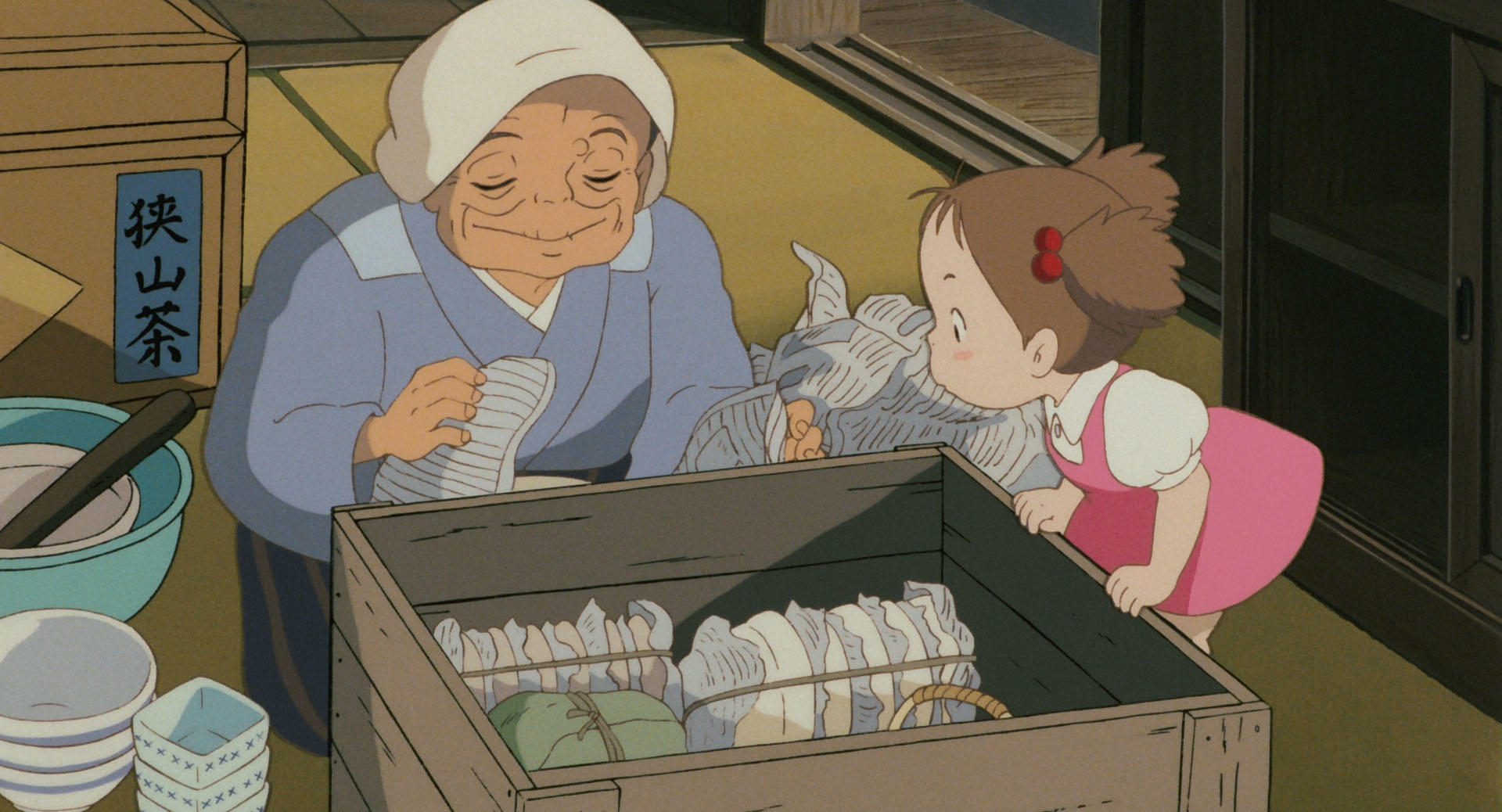
My Neighbor Totoro is not usually described as a courage movie, but it absolutely belongs here. Satsuki and Mei are living through uncertainty, a move, and their mother’s illness. The film does not turn those fears into a villain. Instead, it gives children a world where wonder can sit beside worry.
This is the softest recommendation on the list, and that is its strength. For family viewing, it shows courage as patience, imagination, sisterhood, and asking for help. If Princess Mononoke is too intense, Totoro is the calm version of emotional bravery.
7. Howl’s Moving Castle: courage to be seen clearly
Howl’s Moving Castle turns courage inward. Sophie’s curse makes visible the oldness and self-doubt she already feels. Howl hides behind beauty, drama, and avoidance. Their bravery comes from learning to care without hiding as much.
This is a good courage pick if you want romance, fantasy, and emotional recovery rather than a clean adventure plot. It is less direct than Castle in the Sky, but its best moments are about choosing tenderness while war, vanity, and fear try to pull everyone apart.
Best choice by viewer mood
| If you want… | Watch this | Why |
|---|---|---|
| A classic adventure | Castle in the Sky | Fast, brave, clear, and beginner-friendly. |
| A serious moral story | Princess Mononoke | Bravery without easy answers. |
| An anxious comfort watch | Spirited Away | Small steps through fear. |
| A creative reset | Kiki’s Delivery Service | Courage after burnout and self-doubt. |
| A gentle family option | My Neighbor Totoro | Childhood bravery without heavy conflict. |
FAQ
Which Studio Ghibli movie is most about courage?
Princess Mononoke is the strongest moral courage story, while Castle in the Sky is the clearest adventure courage story. For emotional courage, choose Spirited Away or Kiki’s Delivery Service.
What is the best courage-themed Ghibli movie for kids?
My Neighbor Totoro is the safest gentle choice for younger children. Kiki’s Delivery Service is also friendly for many families, especially for older kids who understand independence and confidence dips.
Which Ghibli courage movie should beginners watch first?
Start with Spirited Away if you want the most famous entry point, Castle in the Sky if you want adventure, or Kiki’s Delivery Service if you want something softer and more everyday.
Image credit: official Studio Ghibli stills from Castle in the Sky and Princess Mononoke, via ghibli.jp. The official work pages state: ※画像は常識の範囲でご自由にお使いください。