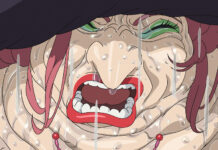
Quick answer: Yubaba represents a system that turns identity into labour: she steals names, controls contracts, hoards wealth, and still remains emotionally human through her fierce attachment to Boh.
This guide answers the search intent directly, then gives a spoiler-aware reading for viewers who want more than a recap. It uses official Studio Ghibli imagery from ghibli.jp and links into related guides so the site keeps building a useful fan-guide structure.
At a glance
- Best for: new or returning viewers who want a clear explanation.
- Core topic: Yubaba
- Suggested next step: follow the film and character tags after reading.
Who is Yubaba?
Yubaba is the witch who runs the bathhouse in Spirited Away, and she is both boss and barrier. She is frightening because her power is bureaucratic as much as magical. She does not merely curse people; she hires them, renames them, files them into roles, and makes the rules feel unavoidable.
That detail matters because Ghibli stories rarely separate plot from behaviour. A name, meal, journey, silence, act of work, or moment of restraint often tells the viewer what a character values before the dialogue says it aloud. Reading the film this way keeps the explanation grounded in what is actually on screen rather than forcing every image into a neat fan theory.
What stealing names means
The name theft is one of the film’s clearest symbols. When Chihiro becomes Sen, she does not instantly forget herself, but the pressure begins. A shortened name is easier for the bathhouse to use. Haku’s warning turns identity into a survival task: remember your full self or the world will define you by your usefulness.
That detail matters because Ghibli stories rarely separate plot from behaviour. A name, meal, journey, silence, act of work, or moment of restraint often tells the viewer what a character values before the dialogue says it aloud. Reading the film this way keeps the explanation grounded in what is actually on screen rather than forcing every image into a neat fan theory.
Greed and the bathhouse economy
Yubaba’s bathhouse is full of appetite: gold, food, prestige, gossip, status, and service. No-Face becomes monstrous there because the environment teaches him that consumption and payment are the only languages anyone respects. Yubaba is not the only greedy figure, but she is the person who benefits from the machine.
That detail matters because Ghibli stories rarely separate plot from behaviour. A name, meal, journey, silence, act of work, or moment of restraint often tells the viewer what a character values before the dialogue says it aloud. Reading the film this way keeps the explanation grounded in what is actually on screen rather than forcing every image into a neat fan theory.
Motherhood complicates the villain role
Boh prevents Yubaba from being a simple villain. She is terrifying to workers and spirits, yet absurdly protective of her giant baby. That contradiction is very Ghibli: characters often contain tenderness and selfishness at once. Yubaba’s love is real, but it is also controlling, possessive, and insulated from the suffering outside her rooms.
That detail matters because Ghibli stories rarely separate plot from behaviour. A name, meal, journey, silence, act of work, or moment of restraint often tells the viewer what a character values before the dialogue says it aloud. Reading the film this way keeps the explanation grounded in what is actually on screen rather than forcing every image into a neat fan theory.
How this connects to the wider Ghibli world
For a broader path through the catalogue, use our best Studio Ghibli movies to watch first guide, the movies-in-order watch guide, and the connected Ghibli movies explainer. These links help readers move from one question to the next instead of landing on an isolated article.
Frequently asked questions
Is this article spoiler-free?
It is spoiler-aware rather than fully spoiler-free. Character and ending explainers need some plot detail, but the opening answer is designed to help readers quickly decide whether to continue.
Is there one official interpretation?
Not always. Studio Ghibli films often leave room for emotion, memory, and myth. This guide separates clear story evidence from reasonable interpretation.
What should I watch next?
If the film appealed to you, follow the linked tags for related characters and themes, then use the watch-order guide to choose a nearby title with a similar mood or contrast.
Rewatch notes
On a rewatch, look for small repeated actions: who gives food, who withholds a name, who listens before acting, who treats nature as alive, and who changes their mind. Ghibli’s best scenes often carry their meaning in those quiet choices, which is why the films stay rewarding after the first viewing.
Image note: Featured imagery for this article uses official Studio Ghibli stills sourced from ghibli.jp. Studio Ghibli’s official image pages include the common-sense usage notice: ※画像は常識の範囲でご自由にお使いください。
Why Yubaba still works as a modern villain
Yubaba is memorable because she does not behave like a distant monster. She behaves like a boss, landlord, parent, celebrity, and gatekeeper all at once. That combination makes her power feel recognisable even inside a magical bathhouse. She can be funny, frightening, practical, vain, affectionate, and cruel in the same stretch of story, which is why she feels larger than a simple “bad witch” label.
The name-stealing detail is especially important for first-time viewers. Chihiro does not defeat Yubaba by becoming stronger in a physical sense. She survives by remembering who she is, keeping promises, noticing details, and accepting help without surrendering her judgement. Yubaba’s control depends on people forgetting themselves inside the system she runs.

Yubaba, Zeniba, and the split view of power
Yubaba also becomes more interesting when compared with Zeniba. The film does not treat age, magic, or authority as automatically corrupt. Instead, it separates domination from care. Yubaba uses contracts, fear, appetite, and status to keep the bathhouse moving. Zeniba’s cottage scenes feel smaller, slower, and more humane. Together, they show two different versions of elder power: one that extracts and one that restores.
That contrast is one reason Spirited Away rewards rewatches. Yubaba is not only there to scare Chihiro. She helps define what Chihiro must resist: losing her name, confusing busyness with purpose, and mistaking survival inside a system for freedom. For more context on where the film sits in the wider catalogue, see our Studio Ghibli movies in order guide.
Image source: official Studio Ghibli stills from ghibli.jp/works, used in line with Studio Ghibli’s common-sense image usage notice.