Quick answer: At the end of Ocean Waves, Taku learns that Rikako missed their Kōchi class reunion because she had gone to Tokyo hoping to see him. When he later spots her across a Tokyo train platform, he finally stops observing from a distance and runs towards her. Rikako waits for him instead of boarding the train. The scene confirms that their connection survived, but it does not promise an easy romance. Its real resolution is that Taku acts honestly on feelings he spent years denying.
The ending is deliberately small. There is no grand apology, kiss or explanation of what happens next. That restraint fits a film about teenagers who repeatedly hide vulnerability behind pride, secrecy and bad decisions. The reunion allows Taku and Yutaka to understand their broken friendship; the platform gives Taku and Rikako a chance to begin a more direct conversation as young adults.
Ocean Waves ending recap
Years after high school, Taku returns from university in Tokyo to Kōchi for a class reunion. Rikako is not there. The absence initially repeats the pattern that defined their adolescence: she remains somewhere just out of reach, while Taku hears about her through other people rather than asking her what she wants.
The reunion also brings Taku back together with Yutaka Matsuno. Their friendship had fractured after the school festival, when Yutaka punched Taku for standing by while Rikako was attacked and humiliated by classmates. As adults, the two can finally discuss why the conflict mattered. Taku had denied his feelings for Rikako partly because Yutaka liked her first. Yutaka recognises that this supposed loyalty was another form of dishonesty.
A classmate then reveals that Rikako went to Tokyo and wanted to meet someone who sleeps in bathtubs. The phrase refers to Taku’s awkward night at a Tokyo hotel, when he gave Rikako the bed and tried to sleep in the bath. It is a private memory, so the reference tells him that Rikako has been thinking and speaking about him.
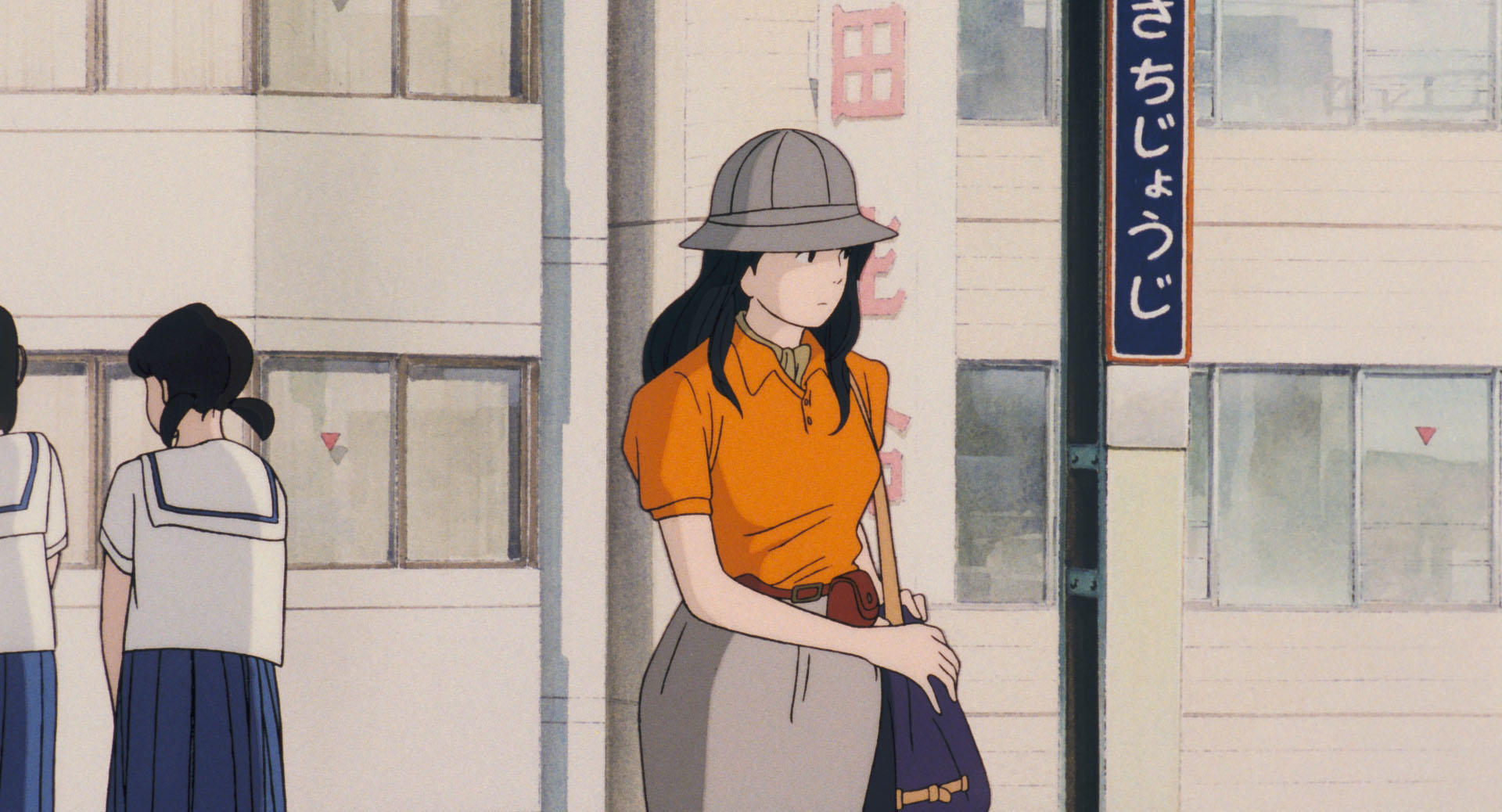
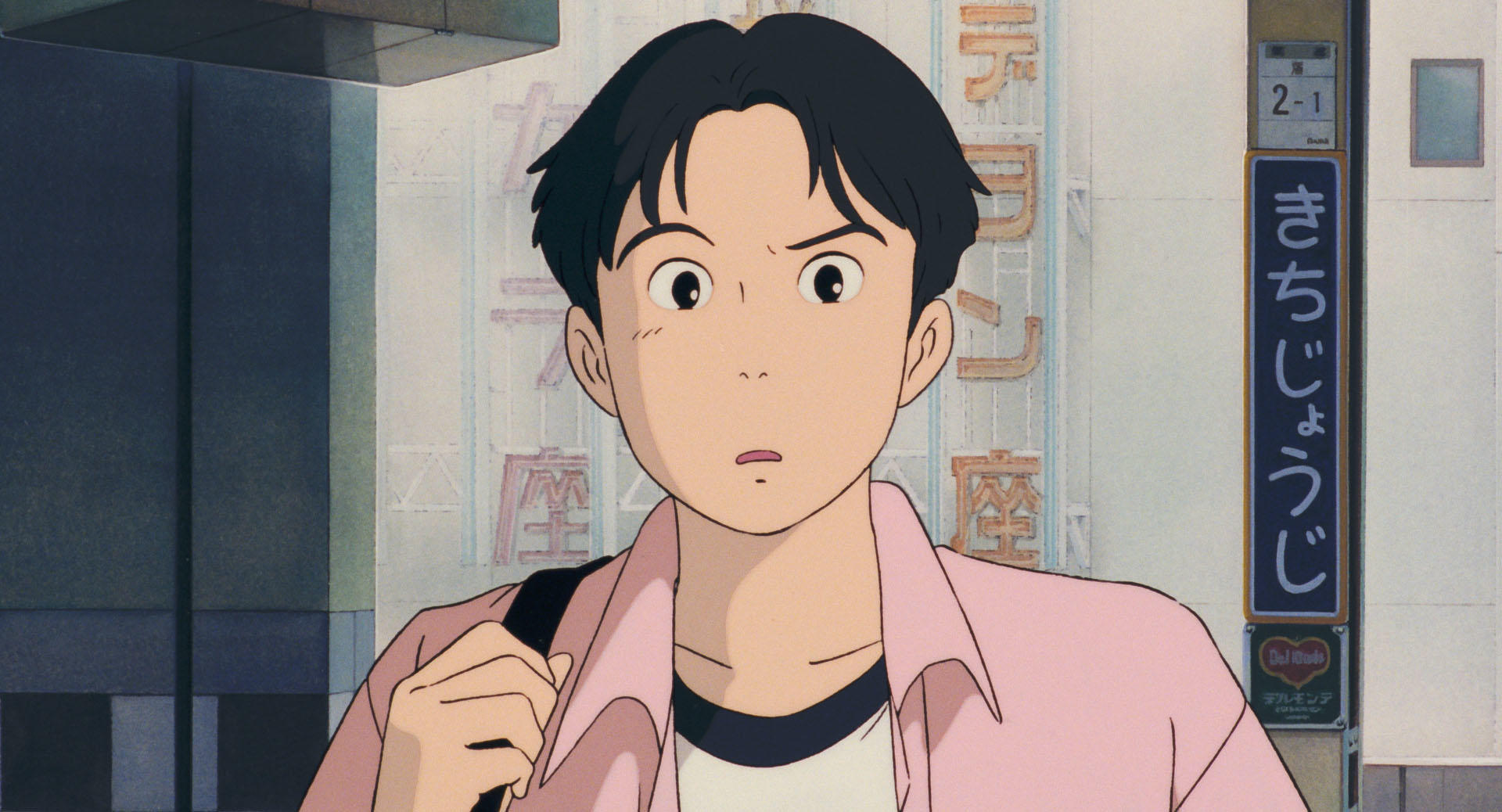
Back in Tokyo, Taku sees a woman resembling Rikako on the opposite train platform. He runs to find her. She waits as the train departs, and the two face each other. Taku’s closing realisation is not that every painful thing between them was secretly romantic. It is that he has loved her and can no longer pretend otherwise.
Why Rikako misses the class reunion
Rikako’s absence is not a rejection of Kōchi or her classmates in the simple sense. She returns to Tokyo because she hopes to see Taku, who has built his university life there. The choice reverses their earlier trip. In high school she dragged him to Tokyo while chasing an idealised version of her old family life. At the end, she travels there with a clearer interest in the person who witnessed that disappointment.
Her decision also shows growth without pretending she has become completely open. Rikako still communicates indirectly. She does not arrange a dramatic reunion with Taku on screen, and he learns about her intention second-hand. Yet she has told a classmate enough for the bathtub clue to reach him. The guarded teenager who insisted she needed nobody has admitted that one shared memory matters.
What the bathtub reference means
The bathtub line sounds comic, but it carries the film’s emotional history. During the Tokyo trip, Rikako discovered that her father’s new life could not restore the home she had lost after her parents separated. Taku stayed close while she processed the shock, despite being frustrated by her lies and demands. His attempt to sleep in the bath was clumsy kindness during one of her most vulnerable nights.
By referring to that incident later, Rikako identifies Taku through a moment no public version of their school relationship could explain. Other students remember gossip about them spending a night together. Rikako remembers the unglamorous reality: Taku gave her space when she had nowhere emotionally safe to go. The clue separates their actual bond from the rumours that once damaged it.
Why Taku runs across the station
Throughout the film, Taku is observant but passive. He notices Rikako’s isolation, lends her money, accompanies her to Tokyo and recognises her courage at the school festival. However, he often stands at the edge of the decisive moment. He does not defend her when classmates surround her. He hides his attraction to protect his friendship with Yutaka. Even the film’s opening presents him watching a possible glimpse of Rikako across railway tracks.
Running through the station is therefore the ending’s essential action. Taku does not wait for Yutaka, a classmate or chance to decide what happens. He risks missing the train and being emotionally exposed. It is a modest act by adventure-film standards, but for this character it marks a real break from avoidance.
Why Rikako waits on the platform
Rikako’s choice to remain is as important as Taku’s run. Earlier, she controlled situations by moving quickly, withholding information or forcing other people to react to a plan already in motion. At the station she sees Taku coming and allows the moment to happen. She does not vanish onto the train or make him prove himself through another test.
The image gives them a more equal position than they had as teenagers. Neither is rescuing the other. Both have travelled independently, both have made mistakes and both decide to stay present. The platform is a threshold rather than a finish line: they have arrived at the possibility of an honest adult relationship.
Do Taku and Rikako end up together?
The ending strongly suggests a romantic reconnection, but it does not confirm a permanent couple. Taku accepts that he has loved Rikako, she has gone looking for him and they finally meet face to face. That is enough to make the ending hopeful. It is not enough to erase their history or show that they can sustain a healthy relationship.
This distinction matters because their teenage interactions include manipulation, secrecy, insults and physical violence. Rikako slaps Taku during an argument, and he hits her back. Later she slaps him after the festival confrontation. The film presents these scenes as failures of communication, not as proof that hostility is romantic chemistry. An adult relationship would require apologies, boundaries and far more direct speech than either managed at school.
What happens between Taku and Yutaka?
The reunion repairs the film’s central friendship enough for both men to understand it. Yutaka had introduced Taku to Rikako and later confessed his own feelings to her. Taku treated that confession as a reason to suppress his attraction. He may have thought he was protecting his friend, but he also avoided giving Yutaka the truth or trusting their friendship to survive it.
Yutaka’s punch at the festival was still wrong. As an adult, however, he can explain the frustration beneath it: Taku admired Rikako’s defiance yet refused to stand beside her, then used loyalty as an excuse for doing nothing. Their conversation by the water is not a formal reconciliation speech. It is a calmer recognition that silence harmed the friendship more than honest competition would have.
Does the ending excuse Rikako’s behaviour?
No. Rikako is dealing with divorce, displacement and the collapse of an idealised relationship with her father. That context explains why she is defensive and desperate to regain control. It does not make her lies, manipulation of Yumi, verbal cruelty or violence harmless.
The ending asks viewers to see her as more than the worst choices she made at seventeen. Taku is granted the same complexity. He can be generous and perceptive, but also judgemental, passive and violent. Their reunion works only if it is read as a new opportunity, not a declaration that every earlier action was acceptable because they liked each other.
What the train platform symbolises
Stations are places of separation, chance and choice. Tracks physically divide Taku and Rikako when he first notices her, echoing the emotional distance created by geography and years of silence. Trains also impose deadlines: if nobody acts, the opportunity leaves.
When Rikako lets the train go, the ordinary commuter setting becomes a visual statement. She chooses the conversation over automatic forward motion. When Taku runs towards her, he chooses engagement over nostalgia. The film does not return them to high school. It brings the past into the present so they can decide what it means now.
Is the Ocean Waves ending happy?
It is cautiously happy. Taku and Yutaka have reached a more truthful understanding, Rikako has actively tried to find Taku, and the final encounter suggests mutual affection. The characters are no longer trapped inside the exact roles they played at school.
The happiness remains open-ended. There is no evidence that a romance will automatically work, and no neat resolution for everyone harmed along the way. The film offers something smaller and more believable: the chance to speak honestly after enough time has passed for pride to loosen its grip.
Final interpretation
The ending of Ocean Waves is about action replacing observation. Taku spent adolescence noticing feelings while refusing to name them. Rikako protected herself through distance and control. Yutaka acted violently when words failed him. At the reunion and station, the characters finally begin translating memory into understanding.
For the full story, production context, themes and age guidance, read the Ocean Waves movie guide. You can also compare its grounded young-adult drama with the Only Yesterday guide or browse the complete Studio Ghibli movie directory.
FAQ
Who does Rikako go to Tokyo to see?
The bathtub clue indicates that she went hoping to see Taku, who attends university in Tokyo.
Why did Yutaka punch Taku?
Yutaka was angry that Taku admired Rikako but failed to defend her and denied his own feelings in the name of friendship. The punch was wrong, but their adult conversation reveals the frustration behind it.
Why does Rikako wait for Taku?
Waiting shows that she wants the meeting too. Instead of boarding and disappearing, she lets the train leave so they can finally face each other.
Is Ocean Waves a romance?
It is a coming-of-age drama with a romantic thread. The film is as interested in memory, friendship, divorce and poor communication as it is in whether Taku and Rikako become a couple.
Image credit: Official stills from the Ocean Waves page on ghibli.jp, used under Studio Ghibli’s common-sense image-use notice. This article is an independent fan guide and is not affiliated with Studio Ghibli.