

Home Blog Page 2

Kiki’s Delivery Service and Creative Burnout: Why Losing Magic Feels So Real

0

Quick answer: the most relatable part of Kiki’s Delivery Service is not the flying broom or the talking cat. It is the moment Kiki cannot do the thing that used to feel natural. Her lost magic works as a gentle but sharp metaphor for creative burnout, work fatigue, and the fear that your talent has disappeared.

This theme explainer looks at why Kiki loses her magic, what the film says about confidence, and why the story still lands with artists, freelancers, students, and anyone trying to rebuild momentum after a wobble. For a broader viewing overview, see the site’s Kiki’s Delivery Service watch guide.

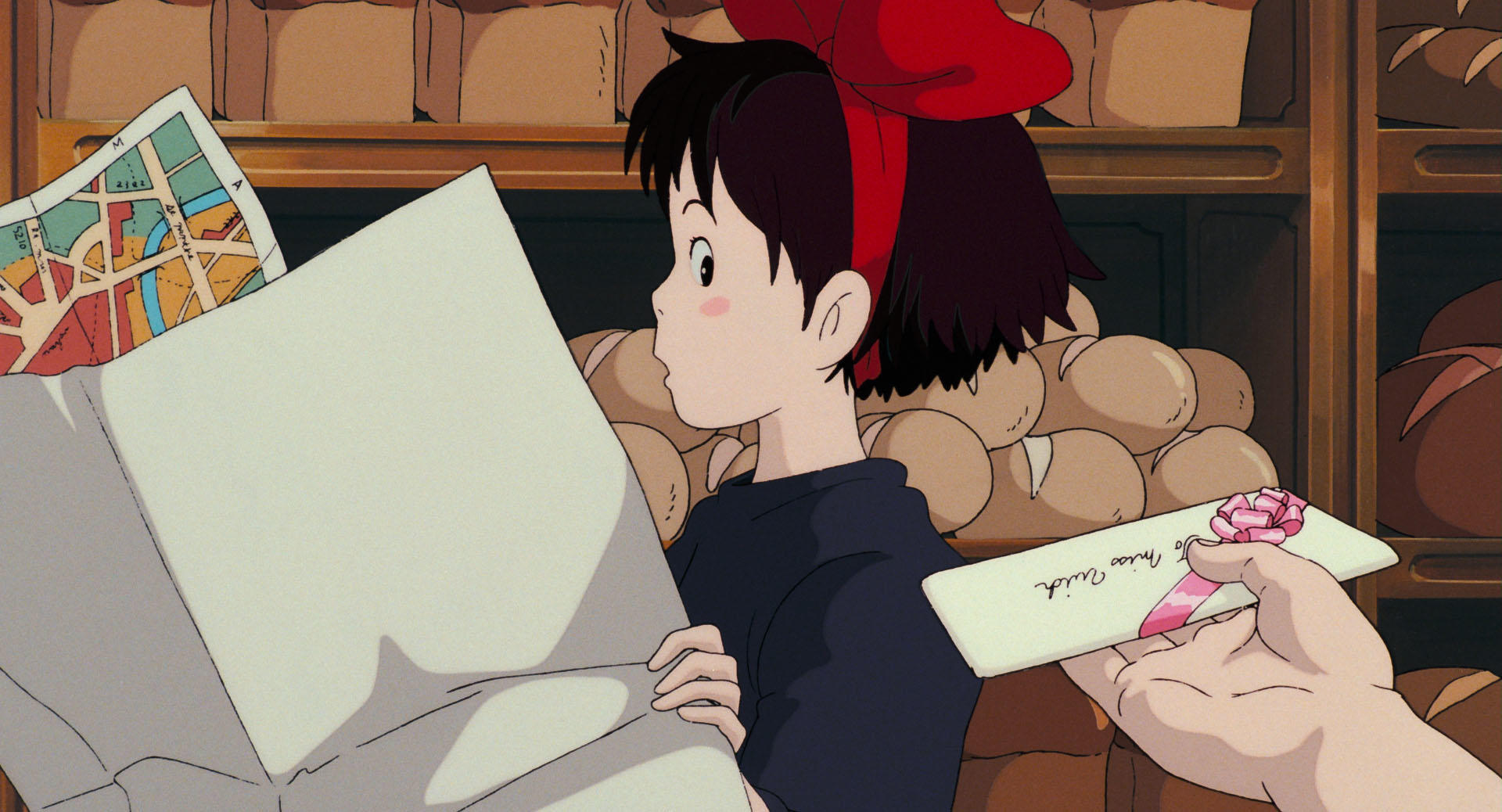
Kiki from Kiki’s Delivery Service in an official Studio Ghibli still

Kiki’s lost magic is not a random plot twist

In a simpler fantasy story, a young witch might lose her powers because of a curse, a villain, or a broken magical object. Kiki’s Delivery Service chooses something more human. Kiki loses access to her magic after she becomes tired, lonely, self-conscious, and disconnected from the joy that made flying feel effortless. The film never gives a technical explanation because the emotional explanation is the point.

Kiki has not stopped being a witch. She has stopped feeling like herself. That difference matters. The story is not saying talent vanishes forever when confidence drops. It is saying that talent is not separate from rest, identity, friendship, and the way a person talks to themselves. Kiki’s broom is magical, but the problem is deeply ordinary.

Why this feels like creative burnout

Creative burnout often arrives in a confusing way. You can still remember being good at something. You can still understand the skill. You may even still want the result. But the easy connection is gone. The task feels heavier, the joy feels further away, and every attempt becomes evidence that something is wrong with you.

Kiki’s crisis follows that pattern. At first, flying is part of her identity. It is how she travels, works, and proves she belongs in the city. Once she starts comparing herself to others, failing socially, and treating every delivery as a test of worth, flying stops being play and becomes pressure. The more she needs it to work, the harder it becomes.

That is why the film hits adults so strongly. Many viewers have had a Kiki moment: the work dries up, the idea will not come, the confidence disappears, or the thing that made them feel useful suddenly feels unreachable. Ghibli makes that feeling visible without turning it into melodrama.

The delivery business matters

Kiki does not lose her magic while training in a grand academy. She loses it while running a small delivery service. That is important because the film links burnout to practical life. Kiki is not only learning who she is. She is learning how to make money, keep promises, handle customers, and live away from home.

The business begins as a symbol of freedom. She can fly, so she can work. She can work, so she can stay. But the same business also turns her gift into an obligation. A talent that once felt like identity becomes a service other people rely on. That shift is familiar to anyone who has turned a creative skill, hobby, or personal strength into paid work.

Ursula gives the film its clearest advice

Ursula, the artist in the forest, understands Kiki’s problem better than almost anyone else in the film. She does not tell Kiki to try harder in a generic motivational way. She talks about losing the ability to paint and needing to stop, sleep, walk, look at things, and let the feeling return.

That advice is quietly practical. Sometimes the answer is not another push. Sometimes it is a break from proving yourself. Ursula reframes the block as part of the process rather than a final verdict. For creative people, that may be the most comforting idea in the movie: losing the feeling does not mean the feeling was fake.

Jiji’s silence makes the change more painful

Kiki’s changing relationship with Jiji is one of the film’s most discussed details. However viewers interpret it, the emotional effect is clear. Jiji represents a familiar inner voice, a childhood companion, and a form of safety. When that connection changes, Kiki feels more alone.

That loneliness is part of growing up. The film does not frame maturity as becoming colder or less imaginative. It shows that some supports change shape. Kiki has to build new confidence that does not depend entirely on the voice that used to reassure her. That is a subtle, bittersweet version of independence.

Why the movie does not rush the recovery

The recovery works because it is not treated like a switch. Kiki does not solve burnout by hearing one inspiring sentence. She rests, spends time with Ursula, stops forcing herself to perform, and reconnects with a reason to act. When she flies again, it is urgent, imperfect, and emotionally earned.

That matters because the film respects the viewer’s own difficult seasons. It does not promise that confidence returns neatly. It suggests that confidence can return through care, distance, friendship, necessity, and small acts of courage. Kiki’s comeback is powerful precisely because it is shaky.

How it connects to other Studio Ghibli heroines

Kiki belongs beside Ghibli heroines who grow through action rather than speeches. Chihiro in Spirited Away learns by working in a strange bathhouse. Shizuku in Whisper of the Heart faces the gap between ambition and craft. San in Princess Mononoke carries a much harsher conflict around identity and belonging. If this is the part of Ghibli you like most, the site’s guide to Studio Ghibli movies with strong female leads is a useful next read.

Why this theme keeps the film alive

Kiki’s Delivery Service is often described as cozy, and it is. The seaside city, bakery, radio music, and flying scenes make it one of the easiest Ghibli films to revisit. But the reason it lasts is not only comfort. It is comfort with an honest centre.

The film understands that growing up can make a person feel less magical before it makes them stronger. It understands that useful work can drain the same gifts it depends on. Most importantly, it understands that losing your spark is not the same as losing yourself. Kiki’s magic returns because she is still Kiki, even when she cannot feel it for a while.

FAQ

Why does Kiki lose her powers?

The film leaves room for interpretation, but emotionally she loses them because of stress, self-doubt, exhaustion, and disconnection from her sense of self.

Is Kiki’s lost magic a metaphor for depression?

Some viewers read it that way, but the film is broader. It can reflect burnout, creative block, loneliness, or the loss of confidence that comes with growing up.

Does Kiki get her magic back?

Yes, but not because everything becomes easy again. She regains it through rest, support, urgency, and renewed trust in herself.

For another gentle Ghibli rewatch route, see the best Studio Ghibli movies for a calm reset.

Image source: official Studio Ghibli stills from the Kiki’s Delivery Service work page, which includes Studio Ghibli’s common-sense usage notice.

Kiki’s Delivery Service Watch Guide: Why It Is the Perfect Cozy Ghibli Starting Point

0
Official Studio Ghibli still from Kiki's Delivery Service. Source: ghibli.jp.

Quick answer: Kiki’s Delivery Service is one of the best Studio Ghibli movies to start with if you want something warm, funny, low-stress, and emotionally honest. It is not the biggest fantasy film in the catalog, but that is the point. It is a gentle coming-of-age story about confidence, work, independence, burnout, and finding your rhythm again.

Kiki flying over the seaside city in an official Studio Ghibli still from Kiki's Delivery Service
Official Studio Ghibli still from Kiki’s Delivery Service. Source: ghibli.jp.

What Kiki’s Delivery Service is about

The story follows Kiki, a young witch who leaves home at thirteen to spend a year living independently in a new town. She has a broom, a black cat named Jiji, a useful flying talent, and not much of a plan beyond proving she can make it on her own. After arriving in a seaside city, she starts a small delivery service and slowly learns that independence is not only about being brave enough to leave home. It is also about asking for help, making mistakes, earning trust, and recovering when your confidence suddenly disappears.

That simple premise is why the film works for so many different viewers. Children can enjoy the flying, the cat, the bakery, and the bright coastal setting. Adults often notice the quieter parts: the pressure to be useful, the awkwardness of starting over, the loneliness of being new somewhere, and the way creative energy can vanish when you start measuring yourself too harshly.

Why it is such a good first Ghibli movie

If someone has never watched a Studio Ghibli film before, Kiki’s Delivery Service is an easy recommendation because it shows the studio’s strengths without asking the viewer to decode a dense fantasy world. The stakes are personal rather than apocalyptic. There are no complicated kingdoms to track, no heavy war allegory to prepare for, and no frightening monster sequences that dominate the film. Instead, it gives you the everyday magic that Ghibli does better than almost anyone: bread in a warm kitchen, laundry blowing outside a window, a city that feels lived in, and a character trying to become herself one small decision at a time.

It is also a good entry point because it feels complete without being exhausting. Some Ghibli films are best when you are ready for myth, environmental conflict, or emotional intensity. Kiki is ideal when you want comfort, charm, and a story that still has real emotional weight underneath the softness.

Who should watch it first

Start here if you are watching with younger viewers, introducing someone cautious to anime, or looking for a film that feels cozy without becoming empty. It is especially strong for fans of small-business stories, creative burnout stories, witchy but gentle fantasy, and city-slice-of-life settings. If your mental picture of Ghibli is only dragons, spirits, and giant forest gods, Kiki shows the quieter side of the studio.

It also suits rewatch nights. The film has enough visual detail to reward attention, but it does not demand the same level of emotional preparation as Grave of the Fireflies, Princess Mononoke, or The Wind Rises. You can put it on for comfort and still come away with something useful.

What makes Kiki memorable

Kiki is memorable because she is not written as a chosen-one hero. Her magic is useful, but the film is more interested in her ordinary growing pains than in making her powerful. She gets embarrassed. She misreads people. She tries too hard. She wants to be mature before she fully understands what maturity costs. That makes her unusually relatable for a fantasy lead.

Jiji adds a lot of the comedy, but he is not only a cute sidekick. He gives Kiki someone to talk to when she is unsure of herself, which makes her loneliness visible without turning every scene into exposition. Osono, Ursula, Tombo, and the older women Kiki meets all become different versions of support. None of them solve her life for her. They simply make the new city feel less impossible.

The burnout theme is why adults keep returning to it

The middle of the film is one of Ghibli’s clearest depictions of burnout. Kiki loses confidence in the thing that used to feel natural. The movie does not treat that as laziness or failure. It treats it as something that can happen when pressure, comparison, loneliness, and self-doubt pile up. That is a surprisingly adult idea inside such an accessible family film.

Ursula’s advice matters because it does not offer a fake shortcut. Sometimes you stop forcing the work. Sometimes you rest, look around, reconnect with why you cared, and let the skill return in its own time. For creative people, freelancers, students, and anyone who has ever turned a talent into a responsibility, that section hits harder than expected.

Is Kiki’s Delivery Service suitable for children?

Yes, it is one of the safer Studio Ghibli choices for family viewing. There is some peril near the end, and very young children may feel tense during the rescue sequence, but the overall tone is gentle. There is no graphic violence, no heavy horror, and no bleak ending. The emotional tension mostly comes from Kiki feeling isolated or uncertain, which can actually make the film a useful conversation starter for children dealing with new schools, new places, or confidence wobbles.

Best moments to watch for

  • Kiki’s first arrival in the seaside city, which quickly establishes the film’s mixture of wonder and awkwardness.
  • The bakery scenes, because they show how community forms around small acts of trust.
  • The rainy delivery sequence, where responsibility starts to feel heavier than adventure.
  • Ursula’s cabin conversation, one of Ghibli’s best quiet scenes about art and confidence.
  • The final rescue, which turns Kiki’s personal recovery into a public moment without losing the film’s intimate feel.

Where it fits in a Studio Ghibli watch order

For a beginner-friendly path, Kiki’s Delivery Service works beautifully near the start. Pair it with My Neighbor Totoro if you want the gentlest possible opening, then move to Spirited Away or Howl’s Moving Castle when you want more fantasy. If you are building a cozy weekend watchlist, Kiki can sit between Totoro and Whisper of the Heart for a warm run of films about childhood, growing up, creativity, and everyday wonder.

Related Studio Ghibli guides

FAQ

Is Kiki’s Delivery Service sad?

It has melancholy moments, especially when Kiki feels alone or loses confidence, but it is not a sad film overall. The ending is warm, hopeful, and reassuring.

Do I need to watch any other Ghibli movie first?

No. It is completely standalone, which is one of the reasons it works so well as a first Ghibli film.

Is it more fantasy or slice of life?

It is both, but the fantasy is gentle. The witchcraft gives the story charm, while the real heart of the film is Kiki learning how to live, work, and belong in a new place.

Why do adults like it so much?

Adults often connect with the film’s treatment of work, self-doubt, creative burnout, and the pressure to be capable before you feel ready.

Image note: Images used in this guide are official Studio Ghibli stills from ghibli.jp’s Kiki’s Delivery Service work page, where Studio Ghibli notes that images may be used within common-sense bounds.
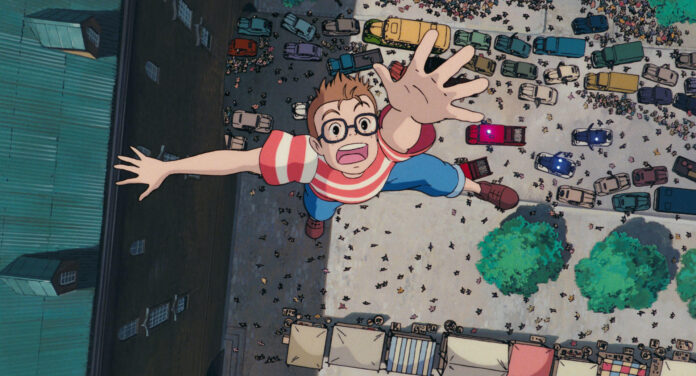
The Secret World of Arrietty Movie Guide: Story, Characters, Themes, and Who Should Watch

0
Official Studio Ghibli still from ghibli.jp.

The Secret World of Arrietty is one of Studio Ghibli’s gentlest films, but it is not slight. If you are looking for a quiet Ghibli movie about tiny people, hidden rooms, friendship, courage, and the risk of being seen, this is the guide to start with.

The quick answer: The Secret World of Arrietty is best for viewers who want a calm, beautifully observed fantasy rather than a big adventure. It works especially well for fans of Kiki’s Delivery Service, My Neighbor Totoro, and the softer side of Studio Ghibli storytelling.

Sho and Arrietty in a quiet garden scene from The Secret World of Arrietty
Official Studio Ghibli still from ghibli.jp.

What is The Secret World of Arrietty about?

The film follows Arrietty, a teenage Borrower who lives with her parents beneath the floorboards of a country house. Borrowers are tiny people who survive by taking small items from human homes: a sugar cube, a sheet of tissue, a pin, or anything else that can be reused at their scale. Their rule is simple. They must never be seen by humans.

That rule breaks when Sho, a sickly boy staying at the house before an operation, notices Arrietty. Instead of turning the story into a chase, Studio Ghibli makes the discovery intimate. Sho is curious and lonely. Arrietty is brave but afraid for her family. Their connection becomes the emotional centre of the movie, and the question is not whether they can become ordinary friends. It is whether kindness can exist when one person’s attention might endanger another person’s whole world.

Why Arrietty feels different from bigger Ghibli adventures

Many Studio Ghibli films build toward flight, battle, magic, or transformation. Arrietty builds toward noticing. A drop of water becomes heavy. A nail becomes a ladder. A kitchen counter feels like a cliff face. The film invites you to look at familiar spaces again and imagine a hidden life moving carefully through them.

That smaller scale is the point. The stakes are huge for Arrietty’s family even when the action is modest. A human hand reaching into a dollhouse can feel more frightening than a monster. A misplaced object can expose a secret. A generous gift can still be dangerous because it changes the balance between two worlds that were never meant to meet.

Main characters

Arrietty

Arrietty is adventurous, proud, and ready to prove she can help her family. She is not reckless in the usual action-hero sense, but she wants to step beyond childhood. Her first borrowing trip is both a coming-of-age ritual and a test of trust. What makes her memorable is the mix of confidence and vulnerability. She wants freedom, but she also understands that one mistake could force her family to leave their home.

Sho

Sho is quiet, observant, and physically fragile. He is not a villainous human threat, which makes the film more interesting. His kindness is real, yet it does not erase the danger his presence creates. Through Sho, the film explores loneliness and mortality without becoming heavy-handed. He sees Arrietty because he is still enough to notice her.

Homily and Pod

Arrietty’s parents give the Borrower world its emotional weight. Homily is anxious because she knows exactly how precarious their life is. Pod is practical, skilled, and protective. Together they make the tiny household feel lived in rather than cute for its own sake. Their fear is not overprotective nonsense. It comes from experience.

Haru

Haru, the housekeeper, brings the film’s clearest external threat. She is suspicious of the Borrowers and determined to prove they exist. The film does not need to make her cartoonishly evil. Her curiosity, control, and lack of empathy are enough to make her frightening.

Key themes

Being seen can be both beautiful and dangerous

The emotional tension of Arrietty comes from visibility. Sho seeing Arrietty gives her a kind of recognition, but it also breaks the safety of secrecy. The film understands that attention is not automatically harmless. Even kind attention can put pressure on someone who lives with less power.

Small lives are not small to the people living them

Ghibli is brilliant at taking domestic detail seriously. The Borrowers’ home is full of repurposed objects, handmade systems, and tiny routines. The film never treats this as a gimmick. It lets the audience feel the dignity of a life built from scraps, skill, and care.

Growing up means leaving some safety behind

Arrietty wants to help, explore, and be trusted. That desire pushes the story forward. But the film does not pretend adulthood is only freedom. It also means accepting consequences, saying goodbye, and carrying courage into uncertainty.

Is The Secret World of Arrietty good for kids?

Yes, for many children it is one of the more accessible Studio Ghibli films. It is gentle, visually clear, and easy to understand on a story level. Very young children may find a few scenes tense, especially when the Borrowers are discovered or trapped, but the film is not intense in the way Princess Mononoke can be.

Parents should know that Sho’s health is part of the story, and there is a bittersweet mood around separation and uncertainty. That said, the film handles these ideas softly. It is more reflective than upsetting, and it can be a good first step for kids who enjoy gentle fantasy.

Where it fits in a Studio Ghibli watch order

If you are introducing someone to Studio Ghibli, Arrietty works well after My Neighbor Totoro or Kiki’s Delivery Service. It shares their calm pacing and attention to ordinary life, while adding a slightly more fragile emotional atmosphere. It is also a useful palate cleanser between larger films like Castle in the Sky, Howl’s Moving Castle, or Princess Mononoke.

For a broader route through the studio, use our Studio Ghibli movies in order guide.

Who should watch it?

  • Viewers who like gentle fantasy and detailed world-building.
  • Families looking for a quieter Ghibli film for children.
  • Fans of tiny hidden-world stories like The Borrowers.
  • Anyone who enjoys films about friendship, courage, and saying goodbye.

FAQ

Is The Secret World of Arrietty based on a book?

Yes. It is based on Mary Norton’s classic children’s novel The Borrowers, adapted through Studio Ghibli’s own visual and emotional style.

Is Arrietty connected to other Studio Ghibli movies?

No. It is a standalone story. You do not need to watch any other Ghibli film first.

Is the ending sad?

It is bittersweet rather than bleak. The ending accepts change and separation, but it also leaves room for gratitude, courage, and memory.

What should I watch after Arrietty?

Try Kiki’s Delivery Service for another gentle coming-of-age story, My Neighbor Totoro for childlike wonder, or When Marnie Was There if you want another quiet, emotional Ghibli film.

Image source: official Studio Ghibli stills from ghibli.jp. This site is an independent fan guide and is not affiliated with Studio Ghibli.

Best Studio Ghibli Movies with Strong Female Leads

0
San and the forest conflict in Princess Mononoke, official Studio Ghibli still
Official Studio Ghibli still from ghibli.jp, used under Studio Ghibli’s common-sense image usage notice.

Quick answer: the best Studio Ghibli movies with strong female leads are Princess Mononoke, Kiki’s Delivery Service, Spirited Away, The Tale of the Princess Kaguya, Nausicaä of the Valley of the Wind, The Secret World of Arrietty, and When Marnie Was There. They are not all “girl power” stories in the same simple way. Some are about courage, some are about burnout, some are about anger, and some are about refusing the life other people have designed for you.

This guide is for viewers who want a practical starting list, not a vague celebration. I have focused on films where the female lead drives the story, makes meaningful choices, and changes the emotional direction of the movie. If you are building a first watchlist, pair this with the main Studio Ghibli movies in order guide so you can decide whether to watch by release order, mood, or character type.

Kiki flying over the city in Kiki’s Delivery Service
Official Studio Ghibli still from ghibli.jp, used under Studio Ghibli’s common-sense image usage notice.

1. Princess Mononoke: San and Lady Eboshi

Princess Mononoke earns the top place because it gives viewers more than one kind of powerful woman. San is fierce, wounded, loyal to the forest, and unwilling to soften herself for human approval. Lady Eboshi is calm, strategic, protective of her people, and also destructive. The film is stronger because it does not flatten either woman into a neat hero or villain.

San’s strength is emotional as much as physical. She is not just brave because she rides wolves or attacks Iron Town. She is brave because she keeps defending a world that has given her pain, and because she has to face the possibility that hatred can consume the person holding it. Eboshi is equally complicated: she gives work and dignity to vulnerable people, but her ambition helps tear apart the forest. For a deeper reading, start with the site’s Princess Mononoke meaning guide and the San character guide.

2. Kiki’s Delivery Service: Kiki

Kiki may look like the gentlest choice on this list, but her story is one of Ghibli’s most honest portraits of independence. She leaves home, tries to turn a talent into a working life, loses confidence, and has to rebuild her relationship with her own creativity. That makes Kiki’s Delivery Service especially useful for older viewers as well as children.

Kiki’s strength is not that she is confident all the time. It is that she keeps showing up while confidence is missing. The film understands burnout before turning it into a lecture, and it treats work, loneliness, friendship, and self-doubt as part of growing up. If Pete’s readers arrive after searching for cozy or comforting Ghibli films, Kiki is also one of the easiest recommendations. See the full Kiki’s Delivery Service movie guide and the Kiki burnout and confidence explainer.

3. Spirited Away: Chihiro

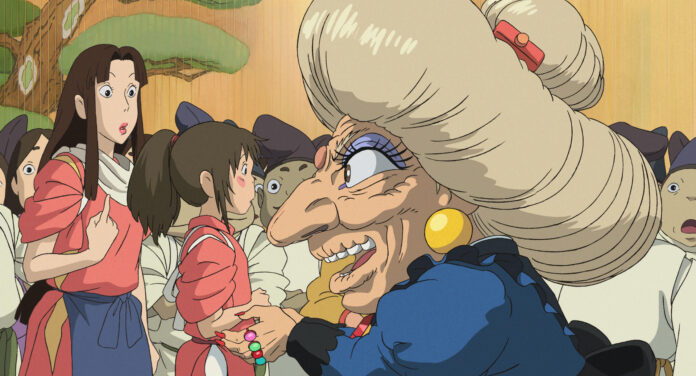
Chihiro is one of Ghibli’s best leads because she begins the film frightened, sulky, and overwhelmed. Her strength is earned gradually. She learns names, rules, work, caution, kindness, and boundaries inside a bathhouse that keeps trying to turn people into functions. That arc is why Spirited Away still works for first-time viewers and repeat fans.

What makes Chihiro powerful is not a hidden magical ability. It is attention. She notices when Haku is in danger, when No-Face needs limits instead of applause, and when Yubaba’s world can be survived without fully belonging to it. This is a useful contrast with louder adventure heroines: Chihiro’s growth is quiet, practical, and deeply active. New viewers can continue with the Spirited Away characters guide or the Spirited Away ending explained guide.

4. The Tale of the Princess Kaguya: Kaguya

The Tale of the Princess Kaguya is a different kind of strong-female-lead film because Kaguya’s power is tied to refusal. She is placed inside an idea of beauty, status, marriage, and obedience that other people call success. The tragedy is that this “perfect” life keeps pushing her further away from the freedom she felt as a child.

Kaguya is not strong because she defeats everyone. She is strong because the movie lets her desire matter. Her joy, anger, shame, playfulness, and grief are all treated as real. For viewers who want a more mature Ghibli film about identity and social pressure, this belongs near the top of the list. The companion article The Tale of the Princess Kaguya ending explained is the best next read after watching.

5. Nausicaä of the Valley of the Wind: Nausicaä

Nausicaä of the Valley of the Wind is technically pre-Studio Ghibli, but it is central to the studio’s identity and to Hayao Miyazaki’s recurring interest in compassionate courage. Nausicaä is a princess, pilot, scientist, mediator, and protector. More importantly, she is willing to understand what everyone else fears.

Her strength comes from curiosity and restraint. She does not win because she is the most violent person in the room. She wins trust because she studies the toxic jungle, listens to the Ohmu, and refuses to treat the natural world as an enemy to be conquered. If someone asks for a Ghibli-style heroine who combines action with empathy, Nausicaä is essential even though the film sits just outside the official studio timeline.

6. The Secret World of Arrietty: Arrietty

Arrietty’s story is smaller in scale, but that is exactly why it works. She is not saving a kingdom or challenging a war machine. She is learning how to move through a dangerous human-sized world while protecting her family and testing her own courage. The film makes ordinary objects feel huge, and that scale turns Arrietty’s independence into an adventure.

Arrietty is a strong lead because she is careful without being passive. She takes risks, asks questions, and learns that bravery does not erase consequences. For younger viewers, she is one of the clearest Ghibli examples of courage without aggression. For adults, the film has a quiet sadness about homes, change, and letting people go. Continue with the Secret World of Arrietty characters guide or the Arrietty ending explained article.

7. When Marnie Was There: Anna and Marnie

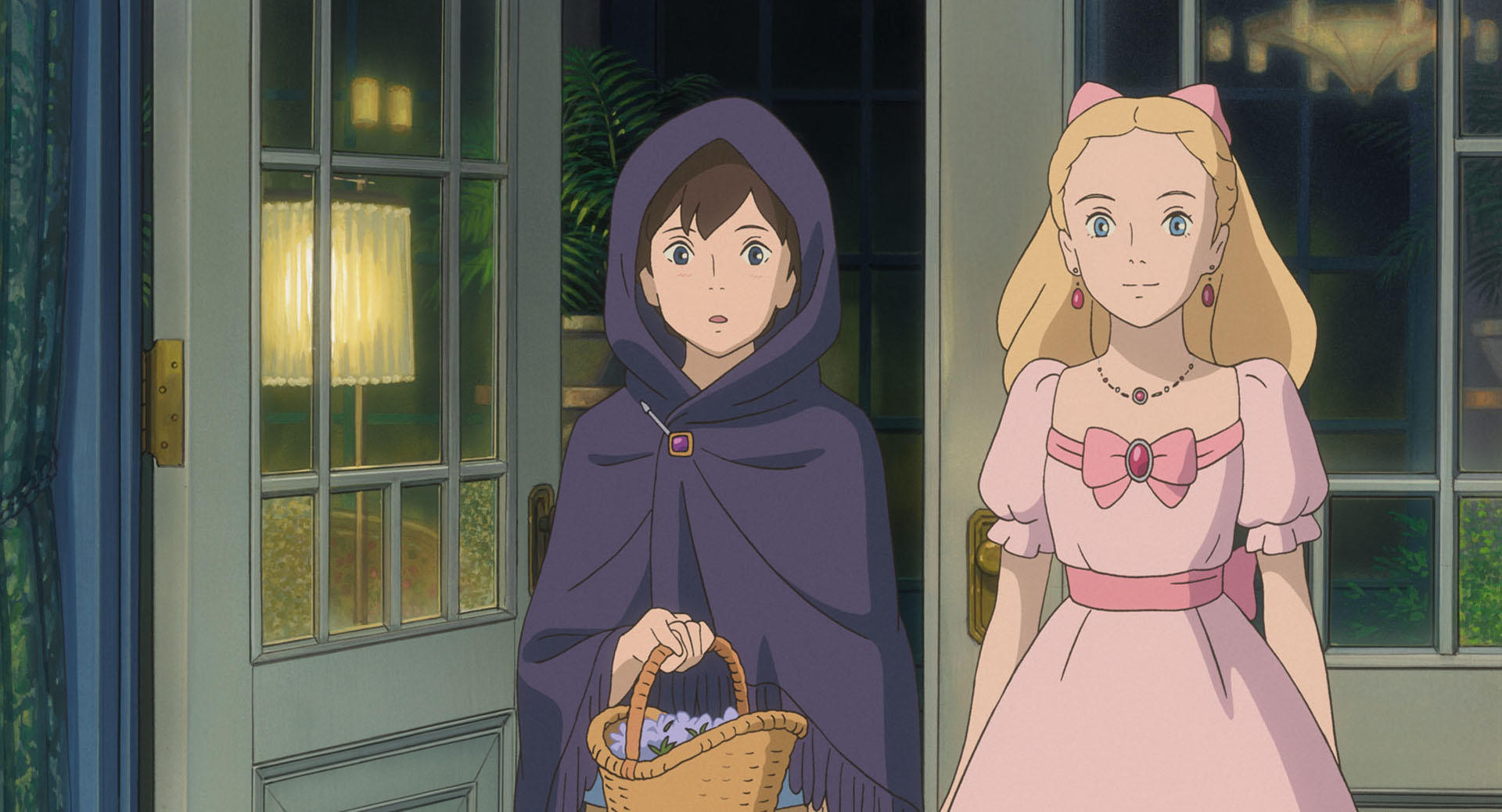
When Marnie Was There is less about obvious heroism and more about emotional survival. Anna is withdrawn, angry, lonely, and unsure where she belongs. Marnie is mysterious and idealised at first, but the film slowly reveals a story about memory, family pain, and the way children inherit feelings they cannot name.

This is a strong female-led Ghibli film because it takes inner life seriously. Anna’s progress is not dramatic in an action sense, but it is meaningful: she begins to see herself as loved rather than merely tolerated. If readers want a quieter recommendation after the larger fantasy films, point them to the When Marnie Was There movie guide and the Marnie ending explained guide.

Best first-watch route

If you want the easiest route through these films, start with Kiki’s Delivery Service, then watch Spirited Away, Princess Mononoke, The Secret World of Arrietty, The Tale of the Princess Kaguya, When Marnie Was There, and finally Nausicaä. That order moves from accessible and warm into more intense, symbolic, or emotionally heavy stories.

If you prefer intensity first, swap Princess Mononoke to the top. If you are watching with younger children, begin with Kiki or Arrietty and save Mononoke and Kaguya for older viewers. For more age guidance, use the site’s parent-friendly articles such as the Totoro parents guide and the Ponyo parents guide as a model for choosing tone.

FAQ

Who is the strongest female character in Studio Ghibli?

There is no single objective answer, but San, Lady Eboshi, Nausicaä, Chihiro, Kiki, and Kaguya are the strongest candidates. San and Eboshi dominate the most intense conflict, while Chihiro and Kiki show quieter forms of resilience.

Which Ghibli movie should I watch first for a strong female lead?

Kiki’s Delivery Service is the easiest first choice because it is warm, clear, and emotionally direct. Spirited Away is the best fantasy gateway, and Princess Mononoke is the strongest choice for older viewers who want moral complexity.

Are these films suitable for children?

Some are. Kiki’s Delivery Service and The Secret World of Arrietty are generally gentler. Princess Mononoke is violent and intense, while The Tale of the Princess Kaguya and When Marnie Was There are quieter but emotionally heavier.

Image note: This article uses official Studio Ghibli stills from ghibli.jp, where Studio Ghibli provides images with its common-sense usage notice.

Castle in the Sky Explained: Laputa, Sheeta’s Crystal, and the Film’s Big Warning

0
Pazu and Sheeta in an official Castle in the Sky Studio Ghibli still
Official Studio Ghibli still, used under the studio’s common-sense image use notice.

Castle in the Sky is a thrilling adventure, but its real meaning sits inside Laputa itself: a beautiful flying civilisation that became dangerous when power outgrew wisdom. The film uses Sheeta’s crystal, Pazu’s loyalty, and Muska’s obsession to ask a simple question: what should people do with technology they are not mature enough to control?

Pazu and Sheeta in an official Castle in the Sky Studio Ghibli still
Official Studio Ghibli still from Castle in the Sky. Source: ghibli.jp.

The quick answer: what is Laputa?

Laputa is a lost city in the sky, protected by storms, advanced machines, and a history most people on the ground have forgotten. It is not only a location. It is the film’s symbol for human ambition at its most dazzling and most dangerous. The city contains gardens, robots, ancient architecture, and terrible weapons. That mix is the point.

Hayao Miyazaki does not present Laputa as pure evil. It is beautiful. The quiet robot tending birds and flowers is one of the gentlest images in the movie. But the same civilisation also built a weapon capable of destroying cities below. Laputa becomes a warning that beauty, intelligence, and technical brilliance do not automatically create moral wisdom.

Why Sheeta’s crystal matters

Sheeta’s crystal is the key that connects her to Laputa. On the surface, it is a magical object that saves her when she falls and lets the characters locate the hidden city. Underneath that adventure logic, it represents inheritance: Sheeta carries a legacy she did not ask for and does not fully understand at first.

That is why the crystal attracts so many different kinds of attention. Pazu sees wonder and possibility. Dola’s pirates see treasure. The army sees strategic value. Muska sees control. Sheeta gradually understands that the crystal is not a prize. It is a responsibility.

The film’s emotional tension comes from the difference between possessing power and deserving it. Sheeta is the rightful heir in a bloodline sense, but her real worth comes from refusing to use Laputa as a weapon. Muska can read the same legacy as entitlement. She reads it as a burden that must be handled carefully.

Muska’s mistake: power without belonging

Muska is frightening because he is not confused about Laputa’s capabilities. He understands enough to operate its systems, quote its lineage, and activate its weapons. What he lacks is humility. He treats Laputa as proof that he should rule rather than proof that past rulers may have gone terribly wrong.

His mistake is also emotional. Pazu and Sheeta reach Laputa through trust, sacrifice, and care. Muska reaches it through pursuit, coercion, and entitlement. He wants the city but has no relationship with its living heart. He can access the throne room, but he cannot understand the garden.

That contrast is one of the cleanest moral lines in the film. The person who wants to dominate the world is blind to the parts of Laputa that make it worth saving.

Why the robots are so important

The robots make Laputa feel tragic rather than simply scary. The first robot the characters encounter is destructive because humans weaponise and provoke it. Later, the robot in the sky garden is tender, patient, and almost sacred. It cares for birds, tends the overgrown city, and places flowers on a grave.

Those scenes complicate the film’s technology theme. Miyazaki is not saying machines are bad. He is saying machines reflect the values of the people who build and command them. A robot can be a soldier, guardian, gardener, or mourner. The danger is not metal. The danger is the human appetite for domination.

The destruction spell and the film’s big warning

When Sheeta and Pazu use the destruction spell, they are not rejecting wonder. They are rejecting weaponised power. The spell breaks the military core of Laputa and sends the living tree upward, away from the machinery of control. That image matters: the destructive systems fall, while the natural, rooted, living part survives.

The ending does not say civilisation should avoid invention. It says invention must be separated from conquest. Laputa’s final form, a great tree floating into the sky, is one of Studio Ghibli’s clearest images of nature outlasting empire.

This is why Castle in the Sky sits so comfortably beside later Ghibli films with environmental and anti-war themes. If you like this side of the film, Princess Mononoke is a natural next step, while Spirited Away explores a more dreamlike kind of moral world.

Why Pazu is the right partner for Sheeta

Pazu does not help Sheeta because she is royal, valuable, or useful. He helps her because she is a person in danger. That makes him the opposite of almost every adult institution chasing the crystal. His dream of finding Laputa is personal and hopeful, tied to his father’s memory, but he gives up possession when possession becomes harmful.

Their partnership is built on mutual courage. Sheeta brings history, instinct, and moral clarity. Pazu brings loyalty, practical bravery, and faith that the impossible can be reached. Together they turn a treasure hunt into a choice about what should be preserved and what must be let go.

Where Castle in the Sky fits in a Ghibli watch order

Castle in the Sky is one of the best early watches for viewers who want classic adventure. It has chases, pirates, flying machines, ancient ruins, comedy, danger, and a huge emotional payoff. It is also a good bridge between gentler first watches and heavier films because it introduces big Ghibli themes in an accessible shape.

For a beginner route, it pairs well after My Neighbor Totoro or Kiki’s Delivery Service, then before more intense films. Our Studio Ghibli movies in order guide can help you place it in a first-time marathon, and our watch guides cover practical viewing routes by mood and audience.

FAQ

Is Laputa good or evil?

Laputa is neither purely good nor purely evil. It is a civilisation with both beauty and destructive power. The film asks whether people can protect the beautiful parts without reviving the systems of domination.

What does Sheeta’s crystal do?

The crystal protects Sheeta, points the way to Laputa, and activates parts of the city’s ancient technology. Symbolically, it represents inherited power and the responsibility to decide how that power should be used.

Why do Sheeta and Pazu destroy Laputa?

They destroy the military and control systems because Muska is about to use them as a weapon. The living tree survives, which shows that they are not rejecting nature, memory, or wonder.

Is Castle in the Sky connected to other Studio Ghibli movies?

It is not a direct sequel or prequel to another Ghibli film, but it shares major themes with many of them: flight, environmental respect, anti-war politics, childhood courage, and suspicion of greedy power.

Image note: official Studio Ghibli still used from ghibli.jp, where the studio provides images with a common-sense usage notice.

Is Ponyo Scary for Kids? A Parent-Friendly Viewing Guide

0
Is Ponyo Scary for Kids? A Parent-Friendly Viewing Guide official Studio Ghibli still
Official Studio Ghibli still from Ponyo. Source: https://www.ghibli.jp/works/ponyo/

Quick answer: Ponyo is one of the friendliest Studio Ghibli films for younger children, but it still has a few big storm scenes, worried parents, and moments of magical chaos that can feel intense for very sensitive viewers. Most family audiences will find it gentle, warm, and easier than darker Ghibli films such as Princess Mononoke or Spirited Away.

Ponyo official Studio Ghibli still for a parent viewing guide
Official Studio Ghibli still from Ponyo. Source: Studio Ghibli official works page.

Is Ponyo scary?

Ponyo is not a horror movie and it is not built around villains, jump scares, or long stretches of danger. The tension comes from scale: the sea gets huge, waves rise like living creatures, and adults sometimes look genuinely afraid because the world is out of balance. For many children, those moments feel exciting rather than frightening because the film stays visually bright and emotionally reassuring.

The safest way to think about it is this: Ponyo has peril, but not cruelty. Nobody is trying to hurt Sosuke or Ponyo in a realistic way. The most intense sequences are magical, watery, and loud. If your child is upset by storms, flooding, separation from parents, or characters being anxious, you may want to sit with them for the first watch.

Best age range for a first watch

Many families introduce Ponyo around ages five to seven, especially if the child already enjoys gentle fantasy. Some younger children will be fine with it, while some older children may still want reassurance during the storm. The movie is simple enough for younger viewers to follow: Ponyo wants to become human, Sosuke wants to protect her, and the adults try to understand the strange things happening around them.

For preschool viewers, the main question is not whether the plot is too complex. It is whether the images of the ocean becoming huge will feel thrilling or overwhelming. If your child likes big Disney musical set pieces, ocean stories, mermaids, or gentle adventure, Ponyo is a strong early Ghibli choice. If they are currently nervous about weather, being separated from a parent, or bedtime fears, save it for a calmer weekend afternoon.

What parents should know before pressing play

The film includes a few elements parents may want to know in advance. There are major storm and flood sequences. Sosuke’s mother drives fast through bad weather. Ponyo’s father can seem strange and controlling at first, though he is not a traditional villain. There is a brief sense that the balance of nature has been disturbed, which gives the story a bigger end-of-the-world feeling even though the tone stays soft.

There is no graphic violence, no harsh language, and no mean-spirited bullying thread. The emotional core is affection, trust, curiosity, and the bond between two children. The film also gives children plenty of calming anchors: Sosuke’s home, Lisa’s confidence, the old people’s home, warm food, lamps, boats, and the repeated promise that people are looking out for each other.

Why Ponyo works so well for children

What makes Ponyo special is that it feels like a child’s version of myth. The ocean is enormous, parents are powerful but imperfect, food is comforting, and a promise can matter as much as a spell. The story does not require children to understand complex lore. It lets them feel the joy of Ponyo discovering ham, running on waves, and choosing friendship over being kept safely away from the human world.

That simplicity is a strength. Some Studio Ghibli movies ask children to sit with grief, war, environmental destruction, or complicated moral choices. Ponyo is lighter. It still has Hayao Miyazaki’s fascination with nature and imbalance, but it filters those ideas through nursery-level wonder. The result is a film that can introduce Ghibli’s style without asking too much too soon.

How it compares with Totoro, Kiki, and Spirited Away

If you are building a family watch order, My Neighbor Totoro is usually the gentlest starting point. Kiki’s Delivery Service is also very approachable, though its themes of independence and burnout may land better with slightly older children. Ponyo sits close to those two as a bright, friendly option, with the caveat that its storm scenes are bigger and louder.

Spirited Away is a masterpiece, but it can be more unsettling for young children: parents transform, spirits behave unpredictably, and the bathhouse can feel strange for a first-time viewer. If your child is new to Ghibli, Ponyo is a better bridge. You can use our beginner-friendly Studio Ghibli watch order to decide where it fits alongside other first watches.

Good discussion questions after the movie

After watching, ask simple questions rather than turning the film into homework. What did Ponyo like most about the human world? Why was Sosuke kind to her? Was the ocean scary, beautiful, or both? Why do you think Lisa trusted Sosuke with responsibility? These questions help children process the intense images and notice the movie’s gentler ideas about care, promises, and respecting nature.

You can also talk about feelings during the storm. Some children enjoy naming exactly which moment worried them and which moment made them feel safe again. That can turn a big cinematic experience into a reassuring conversation, especially if the child loved the film but still found parts of it a little much.

Verdict: should your family watch Ponyo?

Yes, for most families. Ponyo is one of the best Studio Ghibli movies for children because it is visually magical, emotionally clear, and full of warmth. It is not completely tension-free, so parents of very sensitive kids should be ready for storms and brief separation anxiety. But compared with many animated adventures, it is gentle, generous, and unusually comforting.

If you want a first Ghibli night that feels cozy but not too sleepy, Ponyo is an excellent pick. Watch it earlier in the day if your child is storm-sensitive, keep the remote nearby for a quick pause, and let the movie’s strange ocean magic do the rest.

FAQ

Is Ponyo suitable for a 4 year old?

Some four-year-olds will enjoy it, especially with a parent beside them, but the storm and flood scenes may be too intense for sensitive children. If in doubt, start with My Neighbor Totoro and come back to Ponyo later.

Does Ponyo have a villain?

Not in the usual sense. Ponyo’s father can seem intimidating, but the film is more about worry, protection, and the balance between the sea and human world than defeating a bad character.

Is Ponyo better before Spirited Away?

For younger children, yes. Ponyo is simpler and warmer. Spirited Away is better saved until a child is ready for stranger images and a more unsettling fantasy world.

Image source note: Official Studio Ghibli stills are used from ghibli.jp, where the official usage notice says images may be used within common-sense bounds.
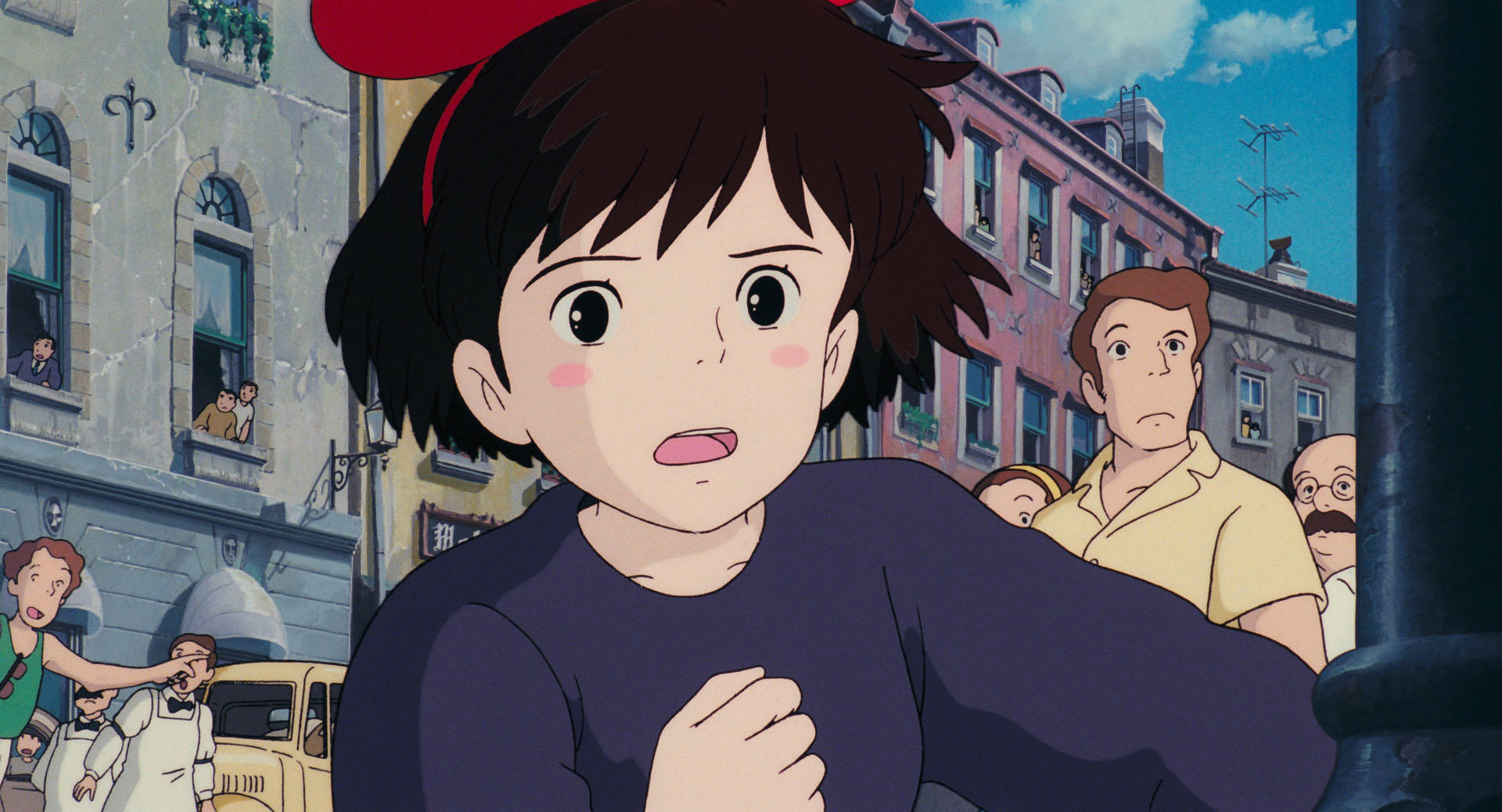
The Secret World of Arrietty Characters Guide: Arrietty, Sho, Homily, Pod, and Haru

0
Official Studio Ghibli still from ghibli.jp, used under Studio Ghibli’s common-sense image-use notice.

Quick answer: The Secret World of Arrietty works because its characters are small in scale but clear in feeling. Arrietty wants freedom, Sho wants connection, Homily wants safety, Pod wants survival, and Haru turns curiosity into threat. This guide explains the main characters, what each one adds to the story, and why the film feels so gentle even when the borrower family is in real danger.

The Secret World of Arrietty official Studio Ghibli still showing a quiet character moment
Official Studio Ghibli still from ghibli.jp, used under Studio Ghibli’s common-sense image-use notice.

Why the characters matter

The Secret World of Arrietty is not built around a huge villain, a world-saving quest, or a complicated mythology. Its drama comes from size, attention, and perspective. A teacup becomes a landscape. A sugar cube becomes treasure. A human house becomes a dangerous wilderness. The characters matter because each one sees that world differently. Arrietty sees possibility. Her parents see risk. Sho sees wonder and loneliness. Haru sees a secret she wants to expose.

That simple contrast makes the film easy to follow but emotionally rich. It is one of the best Studio Ghibli films for viewers who like domestic fantasy: magic hidden under floorboards, everyday objects made strange, and relationships shaped by quiet acts of trust.

Arrietty Clock

Arrietty is the heart of the film. She is brave, curious, and impatient to prove she can handle the borrower life. At the start, her first borrowing trip is almost a rite of passage. She wants to move through the human house with skill, take only what is needed, and return home as someone her parents can trust.

What makes Arrietty memorable is that her courage is not reckless for its own sake. She is young enough to be thrilled by the human world, but she is also learning that every choice has consequences for her family. Her friendship with Sho gives her a glimpse of a wider life, yet it also threatens the fragile safety her parents have protected for years.

Arrietty fits a classic Ghibli pattern: a young heroine discovering herself through movement, work, and responsibility. Like Kiki, Chihiro, and Satsuki, she grows because she has to act. The film never makes her powerful in a superhero sense. Her strength is attention, nerve, and loyalty.

Sho

Sho is the human boy staying in the house while preparing for heart surgery. His quietness gives the film much of its emotional tone. He is not a loud intruder into Arrietty’s world. He watches, listens, and tries to understand. That gentleness is why Arrietty is drawn to him, even though every borrower rule says humans are dangerous.

Sho’s sadness also mirrors Arrietty’s situation. Both characters feel trapped by circumstances they did not choose. Arrietty is limited by being tiny in a human world. Sho is limited by illness and uncertainty. Their friendship is moving because neither can completely solve the other’s problem, but each can make the other feel less alone.

For viewers comparing Ghibli films, Sho is a softer character than many of the studio’s young male leads. He does not drive the plot through action. He changes the story by paying attention and by choosing care over possession.

Homily

Homily, Arrietty’s mother, is often remembered for her anxious energy, but she is more than comic panic. Her fear is practical. The borrower family’s safety depends on not being seen, not being followed, and not being treated as a curiosity by humans. From her point of view, Arrietty’s contact with Sho is not a sweet adventure. It is a direct threat to their home.

That makes Homily one of the film’s most important grounding characters. She represents the cost of wonder. A viewer may want Arrietty to explore, but Homily reminds us that exploration can carry real danger when your entire family can fit inside a dollhouse. Her worry gives the film stakes without making it harsh.

Pod

Pod, Arrietty’s father, is calm, resourceful, and almost wordlessly capable. He teaches Arrietty how to move through the house, how to borrow without waste, and how to respect danger. In a louder film, Pod might have been a heroic adventurer. Here, his heroism is practical: ropes, routes, timing, and judgement.

Pod also shows how borrower culture survives. He is not simply protecting Arrietty from the world. He is passing down a way of living. That makes his scenes with her feel important even when very little is said. The quiet competence of Pod is one reason the miniature world feels believable.

Haru

Haru is the closest thing the film has to an antagonist. She is not evil in a grand fantasy way, but she is dangerous because she refuses to respect the borrowers as people. To her, discovering them becomes proof, gossip, and control. That attitude is exactly what the borrower rules are designed to avoid.

Haru works because her threat feels ordinary. She does not need magic or weapons. She only needs access to the house and the confidence that she has a right to interfere. In a film about tiny people trying to remain unseen, that is enough to create real tension.

Spiller

Spiller appears later in the film and expands the sense of the borrower world beyond Arrietty’s family. He is rougher, more independent, and more adapted to life outside the house. His presence suggests that survival can take different forms. Arrietty’s family has one kind of domestic borrower life; Spiller hints at another, wilder version.

He also gives the ending a little more possibility. The story is not only about loss or leaving. It is about movement into an unknown world where borrower life continues, even if it cannot continue in the same place.

Best character relationships

The central relationship is Arrietty and Sho, but the family triangle between Arrietty, Homily, and Pod is just as important. Arrietty’s parents are not obstacles to her growth. They are the reason growth is complicated. They love her, need her to learn, and fear the risks that come with her independence.

That balance gives the film its tenderness. It understands that growing up can be exciting for the child and frightening for the parent at the same time. Arrietty wants to become capable. Homily wants her safe. Pod quietly prepares her for both.

Where to go next

If you enjoy Arrietty’s gentle courage, read our Secret World of Arrietty movie guide next. For another grounded coming-of-age story, try our Kiki’s Delivery Service characters guide. If you are planning a broader route through the studio, start with the Studio Ghibli movies in order guide.

FAQ

Who is the main character in The Secret World of Arrietty?

Arrietty is the main character. The film follows her first major steps into the human world and the consequences of being seen by Sho.

Is Sho a villain?

No. Sho is gentle and sympathetic. The danger comes from the wider human world and from people who would treat the borrowers as objects or proof rather than as a family.

Why is Homily so worried?

Homily understands that discovery could force the family to leave their home. Her anxiety is exaggerated at times, but the risk she fears is real.

What makes Arrietty a strong Ghibli heroine?

She is brave, observant, loyal, and willing to learn. Her strength comes from courage under pressure rather than magic or physical power.

Image credit: Official Studio Ghibli stills from ghibli.jp, used under Studio Ghibli’s common-sense image-use notice.

When Marnie Was There Movie Guide: Story, Characters, Themes, and Who Should Watch It

0
Official Studio Ghibli still from ghibli.jp, used under Studio Ghibli’s common-sense image-use notice.

Quick answer: When Marnie Was There is one of Studio Ghibli’s quietest and most emotionally direct films. It is best for viewers who want a gentle mystery, a story about loneliness and healing, and a Ghibli movie that feels intimate rather than adventurous. It is not the obvious first pick for very young children, but it can be a beautiful next step for families, teens, and adults who already like the studio’s softer films.

When Marnie Was There official Studio Ghibli still showing the film's quiet coastal mood
Official Studio Ghibli still from ghibli.jp, used under Studio Ghibli’s common-sense image-use notice.

What is When Marnie Was There about?

When Marnie Was There follows Anna Sasaki, a withdrawn young girl sent to stay with relatives in the countryside after struggling with her health and emotions. Away from the city, Anna becomes fascinated by an old marsh house and by Marnie, a mysterious blonde girl who seems to live there. Their friendship feels secret, intense, and dreamlike. As Anna spends more time near the marsh, the film slowly turns from a summer story into a mystery about memory, family, grief, and the way children carry feelings they do not yet know how to name.

The film is adapted from Joan G. Robinson’s novel, but Studio Ghibli reshapes it with a distinctly Japanese coastal setting, soft light, and the studio’s patient attention to emotional detail. Instead of using big fantasy set pieces, it builds tension through small changes: a house across the water, a party glimpsed like a memory, a diary, a painting, and conversations that feel both real and impossible.

Who should watch it?

This is a strong choice for viewers who like character-driven Ghibli films more than action-heavy ones. If you enjoy Kiki’s Delivery Service for its emotional honesty, or My Neighbor Totoro for its rural stillness, When Marnie Was There belongs in the same gentle corner of the studio’s catalogue. It is also a good recommendation for people who want a Ghibli film about friendship, identity, and family history rather than magic kingdoms, wars, or monsters.

For brand-new viewers, it may not be the best first film if they expect the huge visual invention of Spirited Away or the romance and spectacle of Howl’s Moving Castle. It works better when someone is ready for a slower story. The reward is emotional clarity: by the final act, many of the film’s quiet details click into place in a way that can be deeply moving.

Main characters

Anna Sasaki

Anna is the emotional centre of the film. She begins the story guarded, lonely, and convinced she exists outside the normal circle of other people. Her bluntness can seem cold at first, but the film is careful not to treat her as difficult for the sake of drama. Anna is a child who has learned to protect herself by pulling away. The countryside gives her room to breathe, but it also forces her to face the feelings she has been avoiding.

Marnie

Marnie is warm, magnetic, and strange. She appears to Anna as a dream friend, a secret companion, and a puzzle. Part of the film’s appeal is that Marnie never feels like a simple twist mechanic. She matters because of what she gives Anna: attention, acceptance, and a way into a buried family story. Their bond is intense because Anna needs it so badly, but the film keeps it tender rather than melodramatic.

Sayaka and the countryside family

Sayaka helps pull the mystery into the open, while Anna’s host family gives the film its everyday warmth. These supporting characters prevent the story from becoming only a private dream. They remind us that healing does not happen in isolation. Anna needs mystery and memory, but she also needs ordinary kindness, meals, fresh air, and people who keep gently making space for her.

Themes that make the film stand out

The most important theme is loneliness. When Marnie Was There understands that loneliness is not always solved by simply putting a character near other people. Anna has people around her, but she does not feel reachable. The film treats that emotional distance seriously, which is why her connection with Marnie feels so powerful.

Another major theme is inherited sadness. Without spoiling the ending, the story suggests that family pain can echo across generations even when children do not know the full history. Anna’s feelings are personal, but they are also connected to things that happened before she could understand them. The film’s mystery structure gives shape to that idea: to feel whole, Anna has to discover a story that has been missing from her own life.

Finally, the film is about self-acceptance. Anna does not become a different person by the ending. She becomes more able to live as herself. That is a very Ghibli kind of resolution: not a clean fantasy victory, but a shift in how a character stands in the world.

Is it scary or sad?

The film is not scary in the monster-movie sense, but it can feel eerie. The marsh house, night scenes, and dreamlike appearances give it a ghost-story atmosphere. Sensitive younger viewers may also find the emotional material heavy, especially the themes of abandonment, illness, grief, and family separation. Parents should expect a quiet but serious film, not a bright comfort watch from start to finish.

That said, the sadness is purposeful. The film does not use grief as a cheap twist. It builds toward understanding. For older children and teens who are ready for emotional stories, it can be a very reassuring movie because it shows that confusing feelings can be named, shared, and survived.

Where it fits in a Studio Ghibli watch order

If you are building a watch order, place When Marnie Was There after a few more accessible entries. A good path would be My Neighbor Totoro, Kiki’s Delivery Service, Spirited Away, then this film when the viewer wants something quieter. It also pairs well with Only Yesterday and The Tale of the Princess Kaguya because all three are interested in memory, identity, and the emotional cost of growing up.

For a broader route through the studio, use our Studio Ghibli movies in order guide and then return to When Marnie Was There when you want a reflective, smaller-scale story.

Why fans remember it

Fans remember When Marnie Was There because it feels personal. The film does not have the most famous creature, the biggest world, or the most instantly marketable premise. Its strength is the emotional aftertaste. The marsh, the house, and the friendship become symbols for the hidden rooms inside Anna’s own life. By the time the story reveals what has really been happening, the film has made that reveal feel earned.

It is also one of the clearest examples of how Studio Ghibli can make ordinary landscapes feel magical without turning them into fantasy worlds. The water, grasses, skies, and old rooms are beautiful because Anna is beginning to see them differently. The visual softness supports the story rather than decorating it.

FAQ

Is When Marnie Was There a good first Studio Ghibli movie?

It can be, but it is usually better as a second or third Ghibli film. First-time viewers who want wonder and momentum may prefer Spirited Away, Totoro, or Kiki. Viewers who like quiet emotional mysteries may connect with Marnie immediately.

Is When Marnie Was There suitable for children?

It depends on the child. There is no graphic content, but the emotional themes are mature. It is better for older children, teens, and family viewings where adults can talk through the story afterward.

Does the film have fantasy elements?

Yes, but they are subtle. The film uses a ghostly, dreamlike mystery rather than a fully explained fantasy system. Its magic is tied to memory and emotion.

What should I watch after When Marnie Was There?

Try Kiki’s Delivery Service for another gentle coming-of-age story, Only Yesterday for memory and adulthood, or The Tale of the Princess Kaguya for a more tragic and visually experimental story about freedom and family.

Image credit: Official Studio Ghibli stills from ghibli.jp, used under Studio Ghibli’s common-sense image-use notice.

The Tale of the Princess Kaguya Ending Explained: Choice, Freedom, and the Moon

0
The Tale of the Princess Kaguya Ending Explained: Choice, Freedom, and the Moon official Studio Ghibli still
Official Studio Ghibli still from ghibli.jp.

Quick answer: The Tale of the Princess Kaguya ends with Kaguya returning to the Moon because earthly life cannot keep her, even though the love, grief, mess, and beauty she found on Earth were real. The ending is not a simple punishment or a dream. It is a bittersweet farewell about freedom, social expectation, memory, and the ache of wanting a life that no one else can fully give you.

The Tale of the Princess Kaguya Ending Explained: Choice, Freedom, and the Moon
Official Studio Ghibli still from ghibli.jp.

What happens at the end?

After being discovered inside a glowing bamboo shoot, Kaguya grows from a tiny princess into a young woman with impossible speed. Her adoptive father believes the treasure and fine cloth found in the bamboo mean she is destined for nobility, so he moves the family from the countryside to the capital. Kaguya is dressed, renamed, trained, displayed, and pushed toward aristocratic marriage, even though her happiest memories are rooted in fields, trees, friends, and ordinary play.

The ending brings the Moon procession to Earth. Kaguya remembers that she came from the Moon and that her longing, shame, and wish to escape the pressure of court life summoned her people back. When the celestial robe is placed on her shoulders, earthly sorrow and memory begin to fall away. She resists because she finally understands that pain is part of what made her human life meaningful, but the procession carries her away.

Why does Kaguya have to return to the Moon?

On the surface, Kaguya returns because she belongs to the Moon. In the older folktale, the Moon people arrive as a matter of destiny. Isao Takahata’s version makes that destiny feel more tragic and personal. Kaguya’s return is tied to her own desperate wish to escape a life that has become too controlled. She does not consciously ask to abandon everyone forever, but her longing for release calls the Moon back to claim her.

That is what makes the ending hurt. Kaguya’s wish is understandable. She is exhausted by performance, status, suitors, and rules. But the rescue offered by the Moon is not true freedom. It removes pain by removing the memory of love as well. The film asks whether a painless existence is worth losing the very experiences that made life beautiful.

Is the Moon heaven, home, or a prison?

The Moon is peaceful, bright, and almost emotionless. It can look like heaven, but the film frames it as something colder than that. Earth is noisy, muddy, unfair, and temporary, but it is also where Kaguya learns joy, affection, desire, embarrassment, anger, and regret. The Moon offers purity at the cost of feeling.

This is why the celestial music feels so unsettling. The procession is graceful, but it does not feel comforting. Its beauty has no room for the people crying below. In many Studio Ghibli films, flight suggests liberation. Here, the final upward movement is devastating because it pulls Kaguya away from the imperfect world she has finally chosen.

What the robe means

The robe placed on Kaguya is one of the most important symbols in the ending. Once she wears it, she begins to forget earthly attachments. That does not mean her life on Earth was fake. It means the Moon’s version of peace depends on detachment. The robe is mercy and erasure at the same time.

For her adoptive parents, this is unbearable. They cannot argue with a cosmic law, and they cannot hold on to her by force. Their grief proves the exact thing the Moon cannot understand: attachment hurts because it matters. Love creates loss, but without the possibility of loss, love becomes weightless.

Why Sutemaru matters

Sutemaru represents the life Kaguya might have had if she had remained close to the countryside. Their late dreamlike flight together is not a literal plan for a perfect future. It is a vision of possibility: running, laughing, choosing each other, and escaping the scripts written for them. The scene is beautiful because it gives Kaguya a taste of self-directed life, but it is also honest enough to show that time has moved on.

Sutemaru has a family. Kaguya has been changed by the capital. They cannot simply rewind childhood and live inside an untouched memory. The tragedy is not that one perfect romance fails. The tragedy is that Kaguya’s world gave her so few honest choices that even freedom arrives too late.

The film’s critique of status and performance

Much of the movie is about adults mistaking status for happiness. Kaguya’s father loves her, but he interprets love through ambition. He sees fine houses, titles, and wealthy suitors as proof that he is doing right by her. The capital teaches Kaguya how to sit, smile, hide her teeth, restrict her movement, and become an object of admiration.

The impossible tasks she gives the suitors are not just clever tests. They expose how shallow their claims are. Each man wants an idea of Kaguya more than Kaguya herself. Their failures show the absurdity of a marriage market built on display, conquest, and reputation.

Why the ending is so emotional

The ending works because it refuses to flatten Kaguya’s life into either misery or magic. Earth wounds her, but Earth also gives her everything worth remembering. Her adoptive parents are flawed, but their love is real. Sutemaru is not a simple soulmate solution, but he embodies a kind of aliveness she misses. The countryside is not perfect, but it holds the rhythm of her truest self.

That complexity is why the final image lingers. Kaguya looks back at Earth after the robe begins its work. Some part of her still knows that what she is leaving behind was precious. The film lets that glance carry more force than a long explanation could.

How it fits within Studio Ghibli

The Tale of the Princess Kaguya is one of Studio Ghibli’s most visually distinct films, but its emotional concerns connect strongly with the studio’s wider body of work. Like many Ghibli movie guides on this site explore, it cares about childhood, nature, social pressure, and the cost of growing up inside systems that do not understand the soul.

It also pairs well with quieter character-led stories such as When Marnie Was There and coming-of-age films such as Kiki’s Delivery Service. All three are interested in identity, but Kaguya is the most tragic because her world recognises her beauty before it recognises her personhood.

Ending explained in one sentence

Kaguya returns to the Moon because her wish to escape earthly suffering summons her celestial home, but the tragedy is that she only fully understands the value of Earth’s messy, painful, beautiful life as she is being taken away from it.

FAQ

Is Princess Kaguya from the Moon?

Yes. The story confirms that Kaguya belongs to the Moon, adapting the classic Japanese tale of the bamboo cutter while giving her inner conflict a stronger emotional focus.

Does Kaguya forget everyone?

The celestial robe begins to remove her earthly sorrow and memory. The final look back suggests resistance and lingering feeling, which is part of why the ending is so painful.

Is the ending happy or sad?

It is bittersweet but mostly tragic. Kaguya escapes the pressures of Earth, yet loses the relationships, memories, and imperfect human experiences that gave her life meaning.

Image source: official Studio Ghibli stills via ghibli.jp, used within the source page’s common-sense usage notice.

Kiki’s Delivery Service Characters: A Beginner-Friendly Guide

0
Official Studio Ghibli still from Kiki’s Delivery Service. Source: https://www.ghibli.jp/works/majo/

Quick answer: the main Kiki’s Delivery Service characters are Kiki, Jiji, Osono, Tombo, Ursula, Madame, and the people of Koriko who slowly teach Kiki what independence really means. This guide is a spoiler-light who’s who for new viewers, parents, and fans revisiting one of Studio Ghibli’s warmest coming-of-age films.

Kiki and Jiji in an official Kiki’s Delivery Service Studio Ghibli still
Official Studio Ghibli still from Kiki’s Delivery Service. Source: ghibli.jp.

Kiki

Kiki is a thirteen-year-old trainee witch who leaves home for her traditional year of independence. She can fly on a broom, but the film is not really about magical power. It is about confidence, work, burnout, friendship, and learning how to be useful without losing your sense of self. Kiki begins the story with a brave plan and a romantic idea of city life. Once she reaches Koriko, she discovers that being independent is less glamorous than it looked from home.

What makes Kiki memorable is how ordinary her struggle feels. She is not fighting a villain or trying to save a kingdom. She is trying to find customers, make rent, handle awkward social moments, and keep believing she has something to offer. That is why she remains one of Studio Ghibli’s most relatable leads. Her magic gives the story its sparkle, but her uncertainty gives it its emotional pull.

Jiji

Jiji is Kiki’s black cat, companion, critic, and comic relief. Early in the film he works almost like Kiki’s inner voice, reacting to the city with suspicion and making dry comments when Kiki charges into a situation too quickly. He is loyal, but he is not simply cute decoration. Jiji shows how Kiki’s childhood world travels with her into the city.

As the story develops, Jiji’s role changes in a way that fans often debate. Without turning this into a heavy spoiler guide, his shift is tied to Kiki’s growth and to the film’s gentle idea that childhood forms of comfort can change as you mature. Jiji still matters, but Kiki must eventually trust herself without needing every feeling translated back to her.

Osono

Osono is the pregnant bakery owner who gives Kiki a room and a practical way to earn money. She is one of the film’s most important adults because she helps without smothering. Osono does not solve Kiki’s problems for her. Instead, she offers shelter, work, warmth, and a model of everyday generosity.

Her bakery turns the film’s city from a beautiful but intimidating place into a community Kiki can join. The delivery service is born from a small act of kindness: Kiki helps return a lost item, and Osono spots the seed of a business. That moment is pure Ghibli. A life direction appears not through a grand speech, but through paying attention to what someone can do well.

Tombo

Tombo is the aviation-obsessed boy who wants to understand Kiki’s flying. At first, he can seem pushy because he is fascinated by her powers before he fully understands her boundaries. The film uses that awkwardness honestly. Tombo is not a perfect romantic interest. He is a friendly, excitable teenager learning how to connect with someone who is under pressure and does not always want attention.

His importance grows because he represents curiosity without cynicism. Tombo loves flight as a craft, a dream, and a puzzle. Kiki flies because it is part of who she is, while Tombo studies flight because he longs for it. Their friendship works because each sees something in the other that they cannot quite access alone.

Ursula

Ursula, the artist who lives in the woods, is the film’s clearest guide to creative block. She understands that talent can disappear when you stare at it too hard. Her advice to Kiki is refreshingly non-magical: stop forcing it, rest, look around, and remember why the work mattered in the first place.

This is one reason Kiki’s Delivery Service connects so strongly with adults. Ursula’s scenes are not only about witchcraft. They are about anyone who has turned a gift into pressure. She helps Kiki see that losing confidence does not mean the gift was fake. It means the relationship to the gift needs care.

Madame and her housekeeper

Madame is one of Kiki’s elderly customers, and her storyline adds a tender layer to the film’s picture of work. She treats Kiki with respect, patience, and gratitude. Her housekeeper adds a little friction and humor, but the household ultimately shows Kiki that service work can carry emotion, memory, and dignity.

The delivery involving Madame’s pie is especially useful for understanding the movie. It contrasts sincere effort with social carelessness, and it shows Kiki encountering disappointment that cannot be fixed by flying faster. The scene is small, but it is one of the reasons the film feels truthful rather than sugary.

Kokiri and Okino

Kiki’s parents, Kokiri and Okino, appear mostly at the beginning, but they set the emotional foundation. Kokiri is a witch with knowledge, routine, and concern for her daughter. Okino is a gentle father who supports Kiki’s departure even while knowing he will miss her. Their goodbye gives the film its bittersweet launch.

They also establish that Kiki is entering a tradition bigger than herself. Leaving home is not rebellion. It is part of becoming a witch. That detail helps the story stay warm. Kiki is alone in Koriko, but she is not abandoned. She carries family love with her, even when the city feels cold.

Koriko as a character

The seaside city of Koriko almost behaves like a character in its own right. Its streets, bakeries, clock tower, traffic, customers, and changing weather shape Kiki’s mood. At first it is overwhelming, then practical, then lonely, then full of possibility. Studio Ghibli uses the city to show how independence feels before it explains it.

Koriko is also important because it is not instantly charmed by Kiki. Some people are kind, some are indifferent, and some are thoughtless. That balance keeps the film grounded. Kiki has to build belonging one errand, one conversation, and one act of courage at a time.

Why these characters work so well together

The cast of Kiki’s Delivery Service is not built around big plot twists. Each character reflects a pressure or support that Kiki needs to understand. Jiji is childhood closeness. Osono is practical community. Tombo is curiosity and peer friendship. Ursula is creative recovery. Madame is quiet kindness. Koriko is the wider world, beautiful and difficult at once.

Because the characters are so everyday, the film ages unusually well. Viewers can come back at different stages of life and identify with someone new. A child may focus on Kiki and Jiji. A teenager may notice Tombo or the fear of not fitting in. An adult may feel Ursula’s burnout advice or Osono’s grounded generosity more strongly.

Best characters for new viewers to watch closely

  • Kiki: watch how her confidence changes from scene to scene, especially when work becomes pressure.
  • Jiji: notice how his humor mirrors Kiki’s uncertainty early on.
  • Osono: pay attention to how quietly she creates safety without taking over.
  • Ursula: listen for the film’s clearest message about creativity and rest.
  • Tombo: watch how his fascination with flight becomes part of Kiki’s wider support system.

FAQ

Who is the main character in Kiki’s Delivery Service?

Kiki is the main character. She is a young witch spending her first year away from home, learning how to support herself in a new city.

Is Jiji just comic relief?

No. Jiji is funny, but he also represents Kiki’s comfort zone, childhood perspective, and changing relationship with herself.

Why is Ursula important?

Ursula helps Kiki understand creative block. Her advice makes the film especially meaningful for artists, freelancers, students, and anyone who has felt disconnected from a skill they used to trust.

Is Tombo a love interest?

Tombo can be read as a light romantic interest, but the film keeps the focus on friendship, curiosity, and Kiki’s independence rather than making romance the main point.

Related Studio Ghibli guides

Image credit: official Studio Ghibli stills from ghibli.jp, used in line with the official common-sense image notice on the Studio Ghibli works pages.

Stay connected

0FansLike
0FollowersFollow
0SubscribersSubscribe
- Advertisement -
Google search engine

Latest article

Best Studio Ghibli Food Scenes: Meals, Snacks, and Comfort Moments

0
A spoiler-light guide to the best Studio Ghibli food scenes, from Ponyo ramen and Howl breakfast to Spirited Away food stalls, Kiki bakery life, and Totoro lunches.
Official Studio Ghibli still illustrating the romantic fantasy mood of Howl’s Moving Castle.

Movies Like Howl’s Moving Castle: What to Watch Next After Howl and Sophie

0
A practical watch-next guide for fans of Howl’s Moving Castle, matching Studio Ghibli films by romance, fantasy, comfort, adventure, and anti-war themes.
Princess Mononoke official Studio Ghibli still showing nature and forest themes

Studio Ghibli Movies About Nature: Forests, Oceans, and Environmental Themes

0
A practical guide to Studio Ghibli movies about nature, forests, oceans, pollution, habitat loss, and environmental themes.