The best Studio Ghibli movies for beginners are My Neighbor Totoro, Spirited Away, Kiki’s Delivery Service, Ponyo, Howl’s Moving Castle, Castle in the Sky, and Princess Mononoke. They do not all serve the same viewer, though. A cosy first-timer should not start in the same place as someone who wants action, romance, or a darker fantasy epic.
This guide gives you a simple first-watch path based on mood and tolerance for intensity. It is designed for people who have heard Studio Ghibli is important, beautiful, or comforting, but are not sure which film should be first.
Quick answer: start here
- Safest first watch: My Neighbor Totoro
- Best single masterpiece: Spirited Away
- Best cosy coming-of-age film: Kiki’s Delivery Service
- Best for younger families: Ponyo
- Best for romance and fantasy: Howl’s Moving Castle
- Best adventure gateway: Castle in the Sky
- Best darker epic: Princess Mononoke
If you want every film in sequence, use the Studio Ghibli movies in order guide. If you only want one excellent first movie tonight, keep reading.
1. My Neighbor Totoro: the gentlest introduction
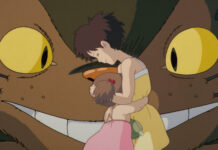
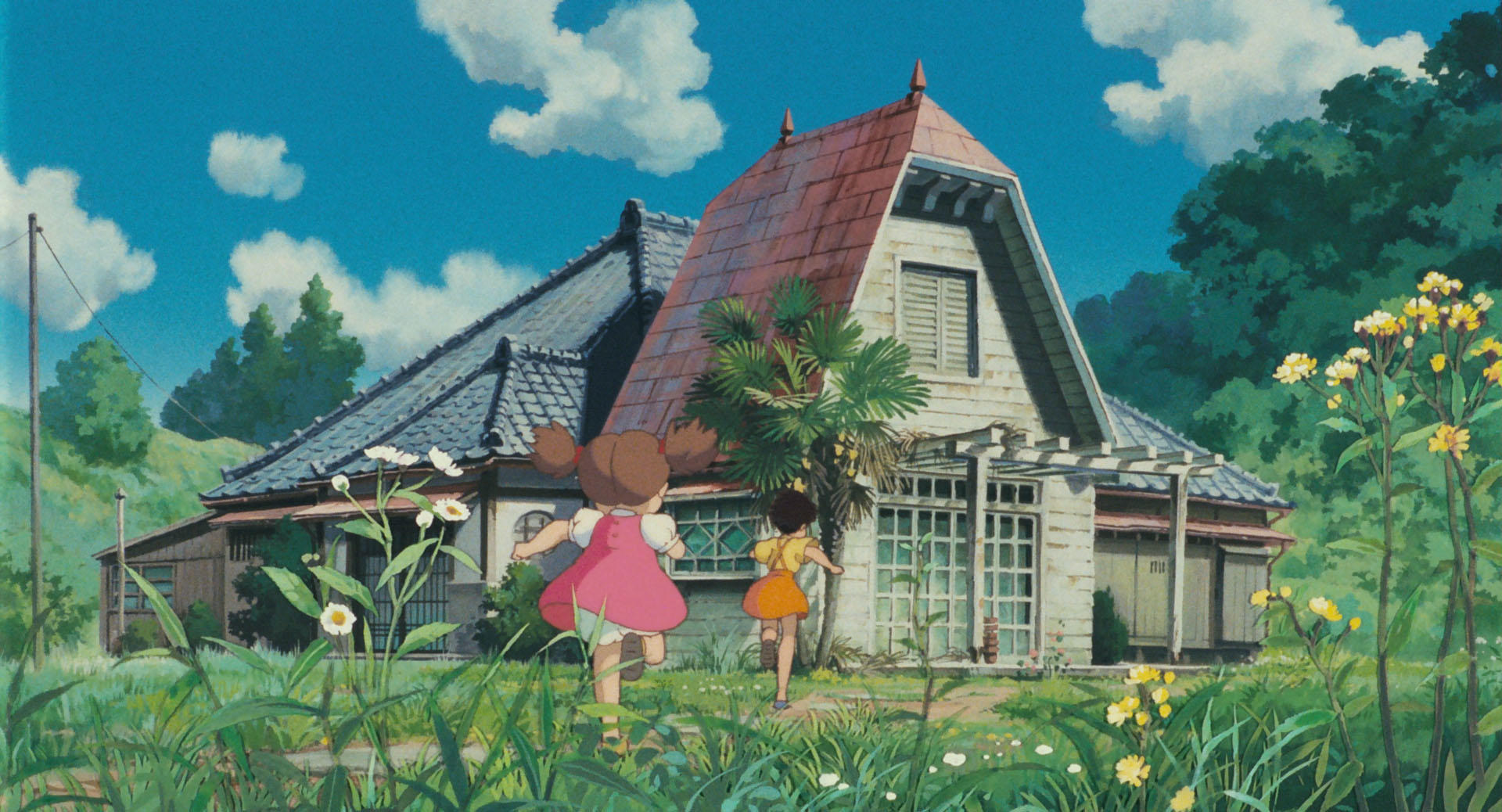
My Neighbor Totoro is the best first Studio Ghibli movie for viewers who want to understand the studio’s warmth before dealing with bigger plots. It is quiet, funny, observant, and built around childhood curiosity. Two sisters move to the countryside, explore their new home, and discover forest spirits who feel mysterious without becoming threatening.
The film works because it does not force magic to become a puzzle. Totoro is not explained like a superhero origin story. He is encountered, trusted, and remembered. That makes the movie a perfect entry point for people who associate animation with noise or constant jokes. It shows how calm, patient, and emotionally precise Ghibli can be.
Choose this first if: you want comfort, family warmth, nature, and a low-stress introduction. It is also the easiest recommendation for mixed-age family viewing.
2. Spirited Away: the one-film proof of Ghibli’s genius
Spirited Away is the best first pick if you want to know why Studio Ghibli has such a huge reputation. It follows Chihiro, a frightened girl who becomes trapped in a strange spirit bathhouse and has to grow braver without losing her kindness. It is visually dense, strange, funny, unsettling, and emotionally clear even when the world feels dreamlike.
For many adults, this is the movie that makes Ghibli click. It has the wonder, food, spirits, trains, quiet pauses, and moral texture people expect from the studio. It also has scenes that can be spooky for young or sensitive children, so it is not always the safest family starting point.
Choose this first if: you want the most famous gateway film and you are comfortable with odd, occasionally eerie fantasy.
3. Kiki’s Delivery Service: the cosy confidence-builder
Kiki’s Delivery Service is a beginner-friendly gem because its stakes are ordinary in the best way. Kiki leaves home, finds a city, starts a delivery service, makes mistakes, loses confidence, and learns how to keep going. It is magical, but the emotional core is work, independence, loneliness, friendship, and self-belief.
This makes it a strong first Ghibli movie for viewers who want something lighter than Spirited Away but more narrative-driven than Totoro. It is also a good entry point for people building their own thing, because Kiki’s tiny business has a surprisingly relatable rhythm: show up, do the job, get tired, adapt, and keep your heart intact.
Choose this first if: you want cosy city life, a kind heroine, gentle magic, and a story about finding your feet.
4. Ponyo: the bright family adventure
Ponyo is one of the easiest Ghibli movies to recommend for younger viewers. Its story is simple, its colours are huge, and its emotional logic feels closer to a child’s drawing than a conventional fantasy plot. A magical fish girl wants to become human and be with Sosuke, and the sea rises around that wish.
Adults sometimes find Ponyo less structured than other Ghibli films, but that looseness is part of its charm. It is an excellent beginner movie if the viewer is a child, a parent, or someone who wants joy rather than complexity. The main caution is that storm and ocean scenes can feel intense for very small children.
Choose this first if: you want colour, movement, family warmth, and a film that feels handmade and generous.
5. Howl’s Moving Castle: romance, magic, and spectacle
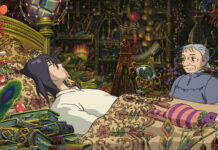
Howl’s Moving Castle is a strong first choice for viewers drawn to romance, witches, curses, magical houses, and beautiful fantasy design. It has one of Ghibli’s most beloved worlds, led by Sophie, Howl, Calcifer, and a moving castle that feels like a character in its own right.
As a beginner pick, its only weakness is that the plot can feel slippery. War, curses, identity, age, vanity, fear, and love all twist together. Some viewers will not care because the mood is so powerful. Others may prefer to start with a cleaner story before arriving here.
Choose this first if: you like romantic fantasy, elegant chaos, magical interiors, and characters who are messy but lovable.
6. Castle in the Sky: the classic adventure route
Castle in the Sky is ideal for people who want a clear adventure movie. It has sky pirates, chase scenes, ancient technology, flying machines, lost civilizations, and a strong central friendship. It feels like a bridge between classic Saturday-matinee adventure and Ghibli’s later emotional richness.
This is a better first choice than some quieter Ghibli films if the viewer usually prefers action and momentum. It is also a useful step before darker or more complex films because it introduces Ghibli’s environmental and anti-greed themes in an accessible way.
Choose this first if: you want airships, robots, adventure, and a more plot-forward gateway.
7. Princess Mononoke: the intense epic to save, unless you are ready
Princess Mononoke is one of Studio Ghibli’s greatest films, but it is not the safest universal starting point. It is violent, morally complex, and much darker than the cosy Ghibli image many people have in mind. The story follows a conflict between industrial expansion, forest gods, human survival, and rage that cannot be neatly solved.
For the right beginner, though, it can be the perfect first film. If someone likes serious fantasy, environmental conflict, battle scenes, and morally grey characters, Princess Mononoke proves that animation can be as weighty as any live-action epic.
Choose this first if: you are not looking for cosy Ghibli. You want myth, conflict, blood, beauty, and a story with no simple villain.
What not to start with
Do not start with Grave of the Fireflies unless you already know what it is. It is a devastating wartime tragedy, not a normal family animation pick. The Wind Rises is beautiful and thoughtful, but its adult historical focus makes it a slower gateway for most newcomers. Only Yesterday and Ocean Waves are also better once a viewer understands that Ghibli is not only fantasy.
A simple beginner watch path
For most people, the cleanest beginner path is: My Neighbor Totoro, then Spirited Away, then Kiki’s Delivery Service, then Howl’s Moving Castle, then Princess Mononoke. That sequence moves from gentle wonder to masterpiece fantasy, then cosy character story, romantic spectacle, and finally a darker epic.
If you are watching with children, swap the order to Totoro, Ponyo, Kiki, and then Spirited Away when they are ready for stranger scenes. For more age-sensitive picks, read the Studio Ghibli movies for kids by age guide.
FAQ
What Studio Ghibli movie should I watch first?
Start with My Neighbor Totoro if you want the safest, warmest introduction. Start with Spirited Away if you want the most famous all-in-one showcase.
Is Spirited Away a good first Ghibli movie?
Yes, for adults and older children who enjoy strange fantasy. For very young or easily frightened viewers, start with Totoro, Ponyo, or Kiki’s Delivery Service first.
Should I watch Studio Ghibli in release order?
You can, but beginners do not need to. Mood-based order usually works better. Release order is more useful once you already know you want to explore the studio’s history.
Image source note: this article uses an official Studio Ghibli still from ghibli.jp, where Studio Ghibli states images may be used within common-sense bounds.