Home Blog Page 3

Best Studio Ghibli Movies for Fantasy Fans: Dragons, Spirits, Castles, and Strange Worlds

0
Official Studio Ghibli still for Best Studio Ghibli Movies for Fantasy Fans: Dragons, Spirits, Castles, and Strange Worlds
Official Studio Ghibli still, used within the common-sense usage notice on ghibli.jp.

Quick answer: Start with Castle in the Sky, Spirited Away, Howl’s Moving Castle, Princess Mononoke, Nausicaä, Ponyo, and The Boy and the Heron if you want the most fantasy-forward Ghibli experience.

This ranking is built for readers who want a direct recommendation, not vague praise. Studio Ghibli covers many moods, so the “best” choice depends on whether you want comfort, fantasy, romance, sadness, spectacle, or character drama.

1. Castle in the Sky

Sky pirates, lost technology, floating ruins, and a mythic city make this the cleanest adventure-fantasy doorway.

Why it belongs here: this pick gives viewers a memorable emotional hook and enough craft detail to reward a rewatch. It also helps define a different doorway into the Ghibli catalogue.

2. Spirited Away

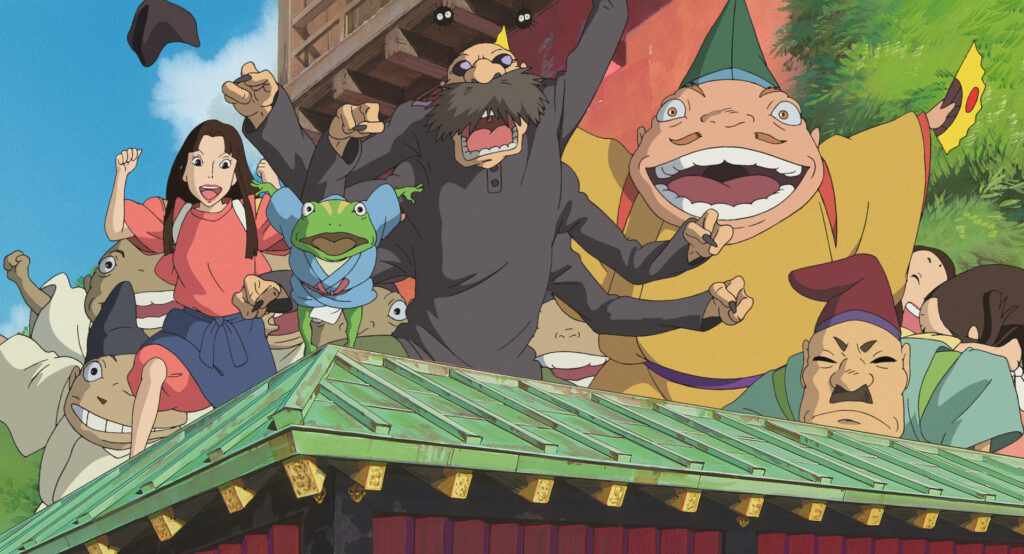
The bathhouse gives fantasy fans an entire spirit economy with rules that feel ancient even when they are not fully explained.

Why it belongs here: this pick gives viewers a memorable emotional hook and enough craft detail to reward a rewatch. It also helps define a different doorway into the Ghibli catalogue.

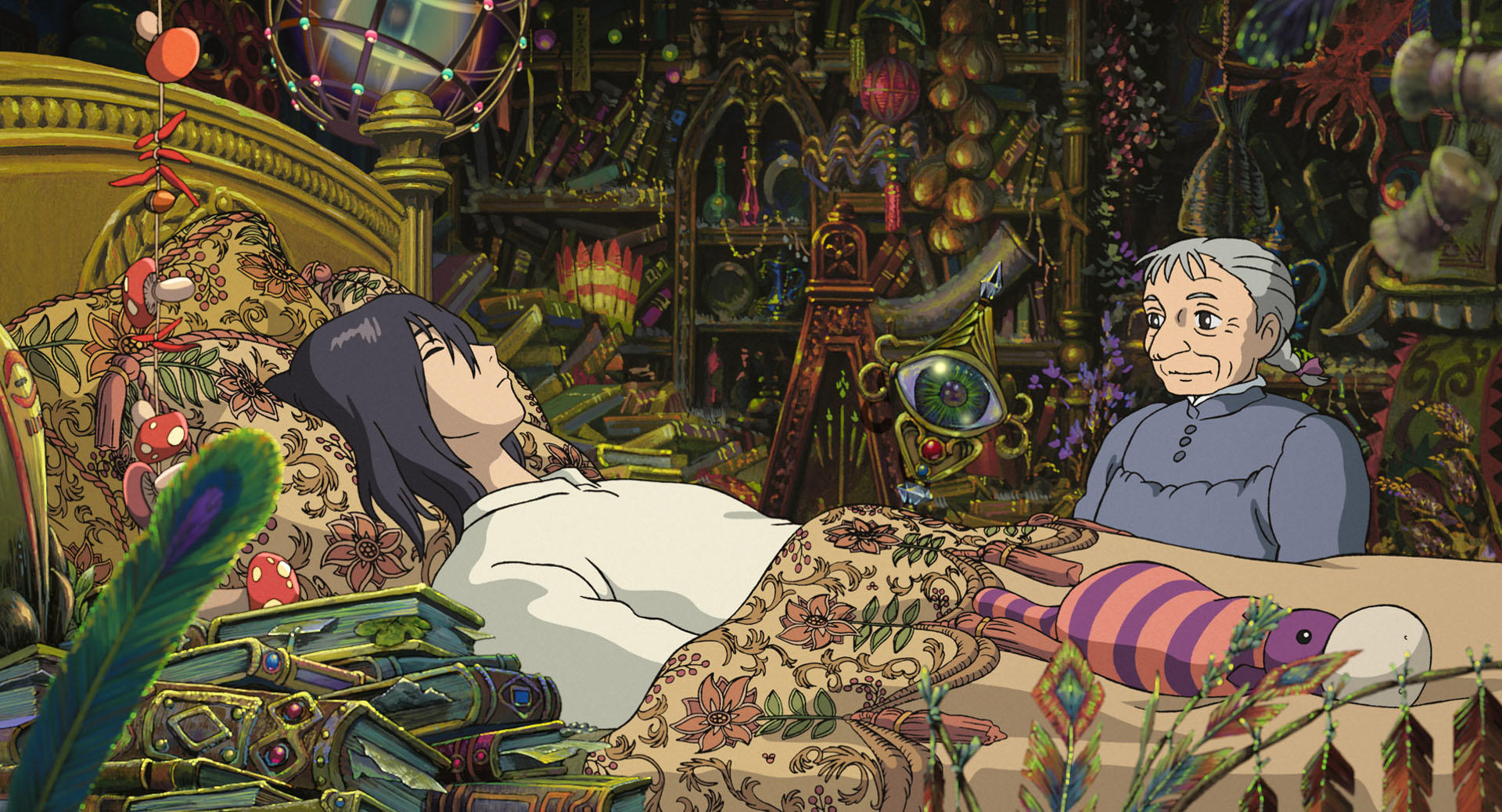
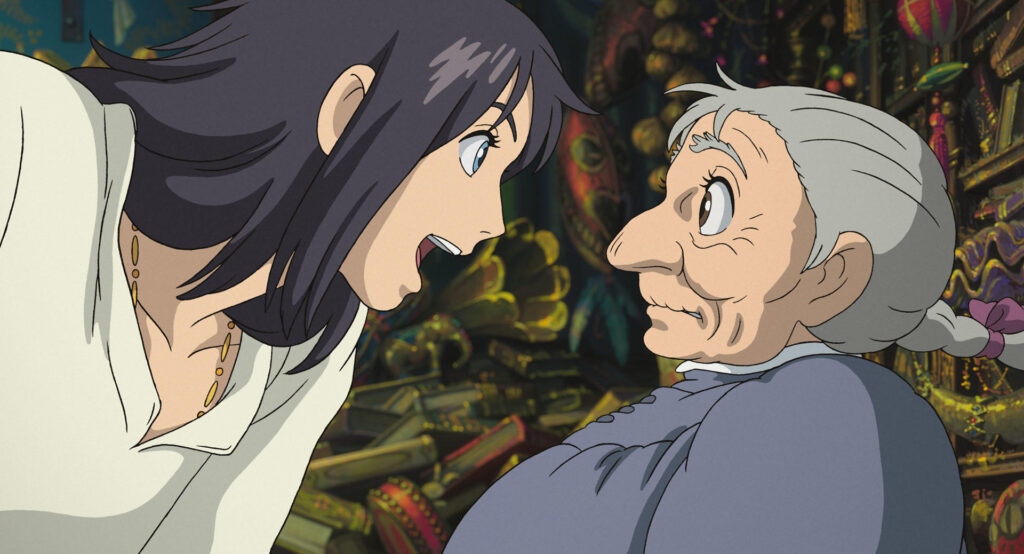
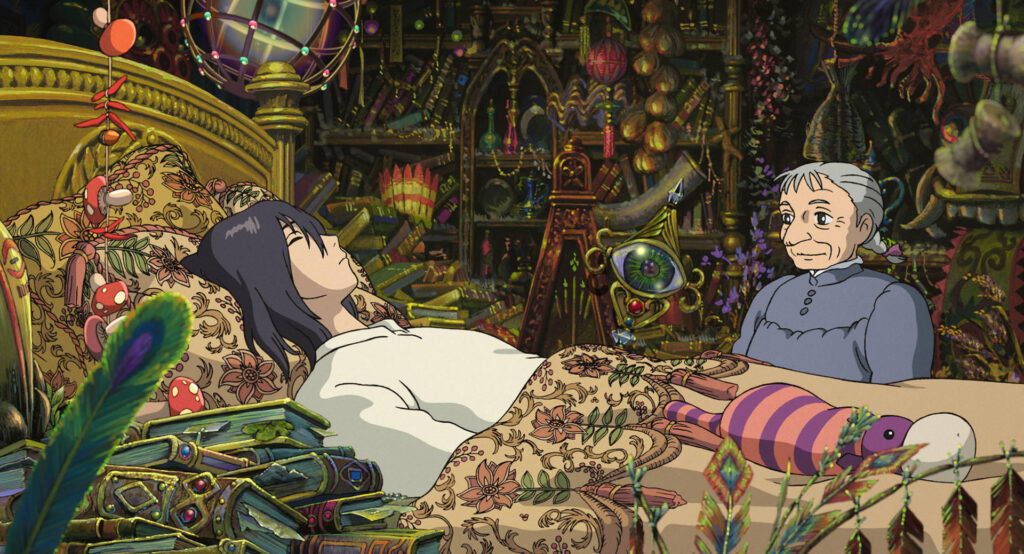
3. Howl’s Moving Castle

Curses, a fire demon, a walking castle, and a war-torn fairy tale make it ideal for romance-forward fantasy fans.

Why it belongs here: this pick gives viewers a memorable emotional hook and enough craft detail to reward a rewatch. It also helps define a different doorway into the Ghibli catalogue.

4. Princess Mononoke

Forest gods, curses, and moral conflict give this fantasy ecological and political weight.

Why it belongs here: this pick gives viewers a memorable emotional hook and enough craft detail to reward a rewatch. It also helps define a different doorway into the Ghibli catalogue.

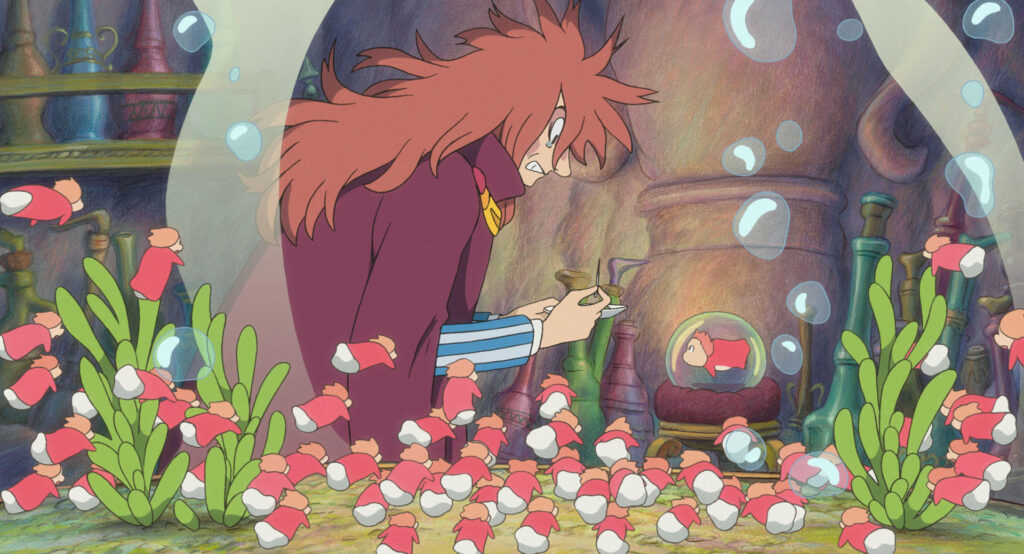
5. Ponyo

Ocean magic and childlike transformation make this a fairy tale rather than a lore-heavy quest.

Why it belongs here: this pick gives viewers a memorable emotional hook and enough craft detail to reward a rewatch. It also helps define a different doorway into the Ghibli catalogue.

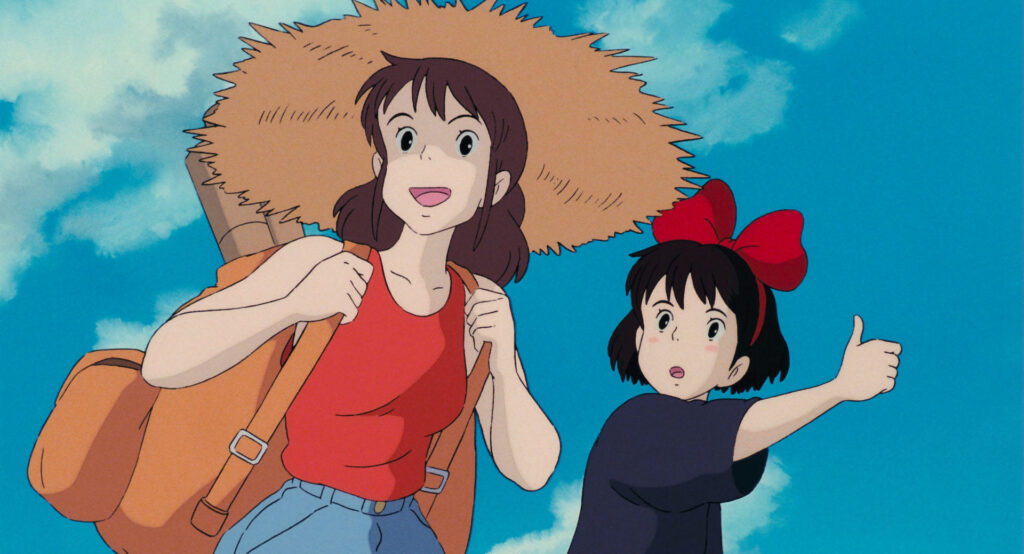
6. Kiki’s Delivery Service

A gentle fantasy where witchcraft is everyday work and independence is the adventure.

Why it belongs here: this pick gives viewers a memorable emotional hook and enough craft detail to reward a rewatch. It also helps define a different doorway into the Ghibli catalogue.

How to choose from the list

If you want cosy and gentle, start with the quieter entries. If you want mythic stakes, choose the films with spirits, gods, castles, curses, or war. If you are watching with children, check tone first: some Ghibli films are soft and funny, while others include grief, danger, or frightening imagery.

How to use this guide

This page is meant to answer the main search question quickly, then give enough context for a useful rewatch. For Studio Ghibli, the most important details are rarely delivered as exposition. They appear in food, rooms, weather, work, names, gestures, music, and the small pauses before a character decides what to do next.

If you are new to Studio Ghibli, treat this as a practical doorway rather than homework. Watch the film once for feeling, then return to the guide for structure. If you are already a fan, use the sections as prompts for noticing how carefully the scene craft supports the emotion.

Related viewing path

After this, browse the Studio Ghibli movies-in-order guide, the site’s watch guides, character explainers, and ranking pages. Ghibli films usually stand alone, so the best next watch depends on mood: cosy, strange, romantic, ecological, sad, adventurous, or dreamlike.

Editorial note

This article is original fan-guide analysis. It uses official Studio Ghibli imagery only and avoids rehosting Reddit, Pinterest, Google Images, or fan-site images. Fan discussions can reveal what viewers are curious about, but the interpretation here is written from the films themselves.

Image source note: featured image uses an official Studio Ghibli still from the official Studio Ghibli official image pack staged from ghibli.jp. Studio Ghibli’s official work pages include the usage notice “※画像は常識の範囲でご自由にお使いください。”

Rewatch checklist

On a rewatch, pay attention to the film’s small practical details: meals, doors, journeys, weather, rooms, clothing, names, tools, animals, and pauses before decisions. Studio Ghibli often puts the strongest emotional information in ordinary actions rather than in speeches. A character making tea, walking through rain, cleaning a room, or choosing not to answer can matter as much as a magical event.

This is also why the same Ghibli film can feel different at different ages. Children may remember the creature, chase, spell, or joke; adult viewers may notice work, grief, money, illness, family pressure, ecological damage, or the cost of leaving home. The best interpretation leaves room for both reactions.

Who this page is for

Use this guide if you are choosing what to watch next, explaining the film after a first viewing, or building a themed Studio Ghibli marathon. The aim is not to replace the movie with analysis. The aim is to make the next watch more attentive, more emotionally specific, and easier to connect with the rest of the Ghibli catalogue.

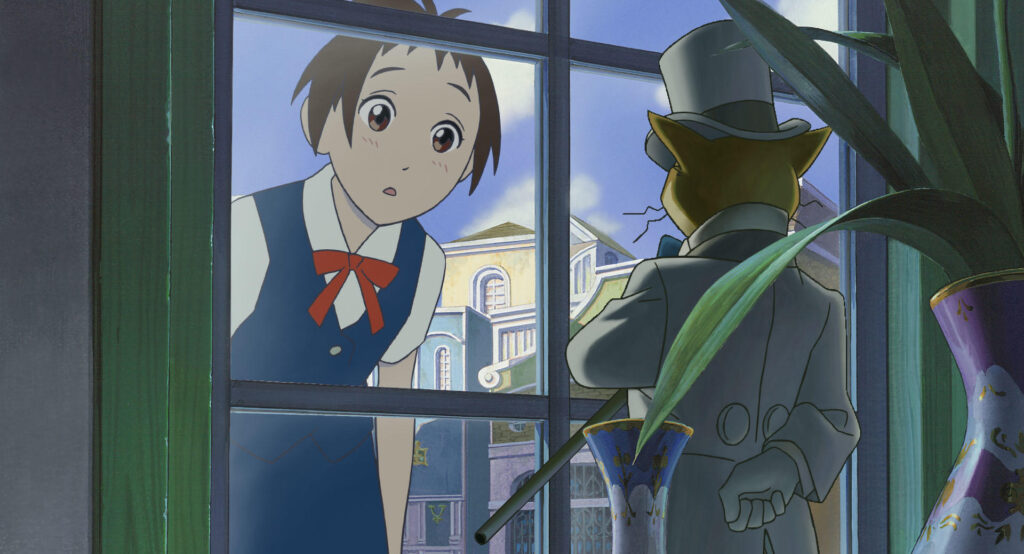
Kiki’s Delivery Service Ending Explained: Jiji, Flying, Burnout, and Confidence

0
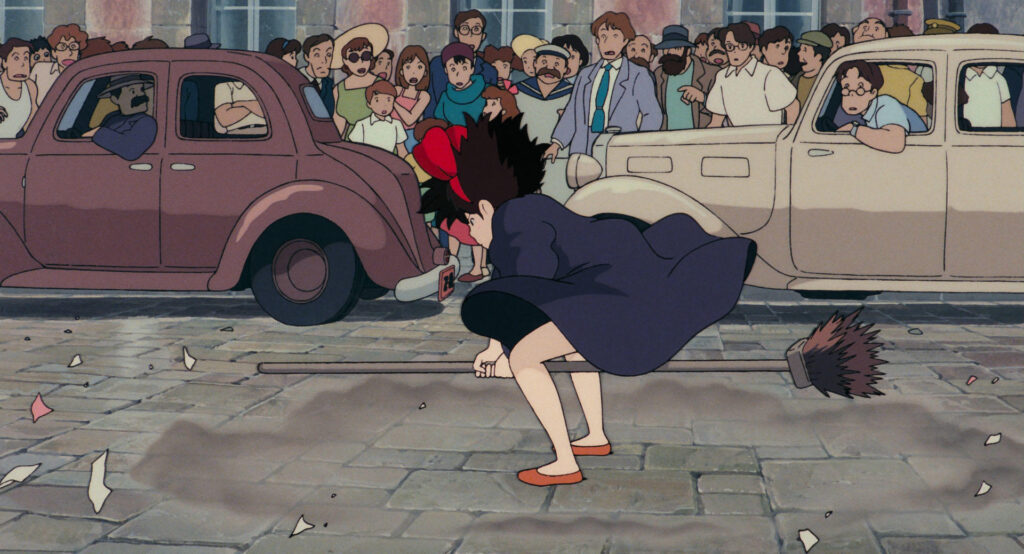
Official Kiki’s Delivery Service still for an ending explained guide about confidence, burnout, and Jiji
Official Studio Ghibli still, used within the common-sense usage notice on ghibli.jp.

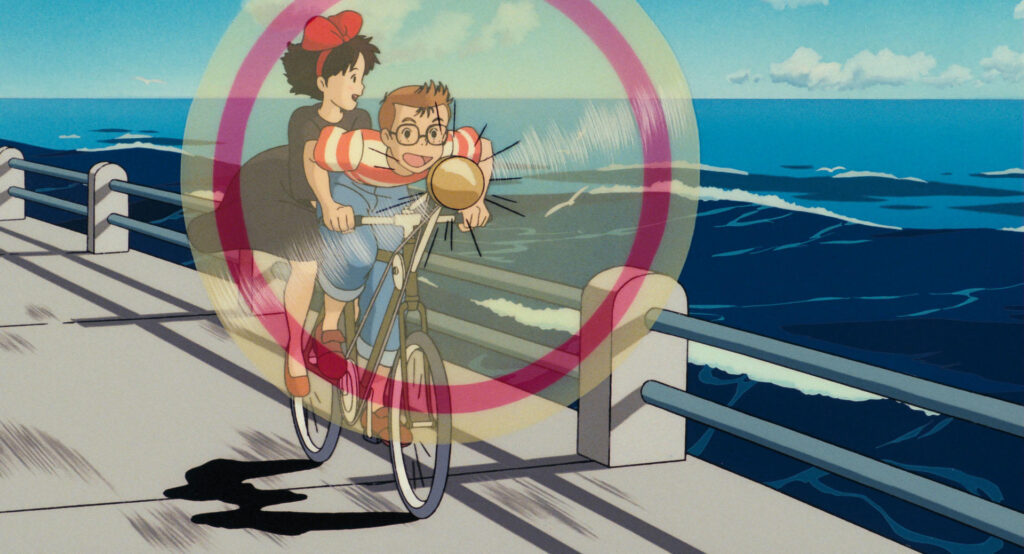
Quick answer: Kiki’s ending is about recovering confidence after burnout. She flies again when helping Tombo matters more than proving herself, while Jiji’s changed voice signals that growing up changes her relationship with childhood comforts.

This guide explains Kiki’s Delivery Service in plain English without flattening it into one rigid theory. Studio Ghibli often leaves room for mystery, but the emotional direction is usually clear: a character learns how to live with change, loss, responsibility, wonder, or desire.

Plain-English explanation

The rescue works because Kiki stops measuring her magic as a performance and uses it as care.

Jiji is not simply lost; he belongs to a new stage in which Kiki cannot rely on childhood translation forever.

The film treats work as meaningful but draining, which makes the loss of magic feel like creative burnout.

Symbols and details that matter

  • The broom is a tool, but also a symbol of trust in the body after doubt.
  • The city represents independence: exciting, indifferent, and full of social tests.
  • Osono’s kindness shows that growing up does not mean doing everything alone.
  • Tombo’s rescue turns public embarrassment into renewed purpose.

Why viewers keep debating it

The film keeps literal story and emotional truth moving together. That is why viewers can agree on what happens but still debate what it means. Ghibli’s ambiguity is not laziness; it is an invitation to connect the fantasy image to the viewer’s own experience of growing up, losing something, or trying to act kindly in a difficult world.

How to use this guide

This page is meant to answer the main search question quickly, then give enough context for a useful rewatch. For Kiki’s Delivery Service, the most important details are rarely delivered as exposition. They appear in food, rooms, weather, work, names, gestures, music, and the small pauses before a character decides what to do next.

If you are new to Studio Ghibli, treat this as a practical doorway rather than homework. Watch the film once for feeling, then return to the guide for structure. If you are already a fan, use the sections as prompts for noticing how carefully the scene craft supports the emotion.

Related viewing path

After this, browse the Studio Ghibli movies-in-order guide, the site’s watch guides, character explainers, and ranking pages. Ghibli films usually stand alone, so the best next watch depends on mood: cosy, strange, romantic, ecological, sad, adventurous, or dreamlike.

Editorial note

This article is original fan-guide analysis. It uses official Studio Ghibli imagery only and avoids rehosting Reddit, Pinterest, Google Images, or fan-site images. Fan discussions can reveal what viewers are curious about, but the interpretation here is written from the films themselves.

Image source note: featured image uses an official Studio Ghibli still from the Kiki’s Delivery Service official image pack staged from ghibli.jp. Studio Ghibli’s official work pages include the usage notice “※画像は常識の範囲でご自由にお使いください。”

Rewatch checklist

On a rewatch, pay attention to the film’s small practical details: meals, doors, journeys, weather, rooms, clothing, names, tools, animals, and pauses before decisions. Studio Ghibli often puts the strongest emotional information in ordinary actions rather than in speeches. A character making tea, walking through rain, cleaning a room, or choosing not to answer can matter as much as a magical event.

This is also why the same Ghibli film can feel different at different ages. Children may remember the creature, chase, spell, or joke; adult viewers may notice work, grief, money, illness, family pressure, ecological damage, or the cost of leaving home. The best interpretation leaves room for both reactions.

Who this page is for

Use this guide if you are choosing what to watch next, explaining the film after a first viewing, or building a themed Studio Ghibli marathon. The aim is not to replace the movie with analysis. The aim is to make the next watch more attentive, more emotionally specific, and easier to connect with the rest of the Ghibli catalogue.

Additional rewatch notes

For a stronger rewatch, focus on how the film handles ordinary actions. Meals, travel, weather, rooms, work, silence, and small acts of care often carry the meaning that a less subtle movie would put into dialogue. This is one reason Studio Ghibli guides should not only summarize plot: the craft is in how emotion is staged.

It also helps to ask what the character has learned by the final scene. Has the world become safer, or has the character simply become more capable of living in it? Many Ghibli endings are hopeful without being neat, which is why they keep working for both new viewers and long-time fans.

Official Kiki’s Delivery Service still for an ending explained guide about confidence, burnout, and Jiji
Official Studio Ghibli still, used here as visual reference for this independent fan guide. Source: Studio Ghibli official works page.

Why Jiji matters more after the ending

Jiji is easy to read as a simple magical rule: Kiki loses confidence, so she loses the ability to hear him. But the ending works better if Jiji also represents the private voice of childhood. Early in the film, Kiki can talk through fear, doubt, and jokes with him because she has not yet had to stand alone in a new city. By the final act, she has friends, responsibilities, customers, failures, and a reason to act even when she does not feel ready.

That is why the film does not need to restore everything neatly. Kiki’s growth is not about becoming cheerful all the time or returning to the version of herself who arrived on the broom. It is about learning that confidence can come back through action, rest, kindness, and practice. Jiji remaining a little more cat-like makes the ending bittersweet in the right way: she has lost something, but she has also gained a fuller life.

A practical rewatch note

On rewatch, pay attention to how much of the film is about work rather than magic. Deliveries, customer service, exhaustion, money, skill, and reputation are all part of Kiki’s coming-of-age. The fantasy makes the story charming, but the emotional engine is recognisably human: a young person trying to build a life without burning out.

Image note: official Studio Ghibli stills are used under the studio’s common-sense usage notice for fan/reference contexts.

Arrietty Ending Explained: Borrowers, Leaving Home, and Small Courage

0
Official Studio Ghibli still from Arrietty showing the small-scale world of the Borrowers
Official Studio Ghibli still, used within the common-sense usage notice on ghibli.jp.

Quick answer: Arrietty’s ending is bittersweet: she and her family must leave, but the friendship with Sho gives both characters courage to face uncertain futures without pretending safety is guaranteed.

This guide explains The Secret World of Arrietty in plain English without flattening it into one rigid theory. Studio Ghibli often leaves room for mystery, but the emotional direction is usually clear: a character learns how to live with change, loss, responsibility, wonder, or desire.

Plain-English explanation

The escape is not defeat; it is the price of survival in a world too large to control.

Sho’s illness and Arrietty’s vulnerability mirror each other, making courage feel quiet rather than heroic.

The film treats scale as emotion: a kitchen, garden, or dollhouse can feel as huge as a kingdom.

Symbols and details that matter

  • Borrowed objects symbolize adaptation rather than theft in a fragile life.
  • The sugar cube becomes a tiny promise that kindness can outlast contact.
  • The river departure gives the ending motion, but not certainty.
  • Arrietty’s bravery is practical: she keeps moving even when fear is reasonable.

Why viewers keep debating it

The film keeps literal story and emotional truth moving together. That is why viewers can agree on what happens but still debate what it means. Ghibli’s ambiguity is not laziness; it is an invitation to connect the fantasy image to the viewer’s own experience of growing up, losing something, or trying to act kindly in a difficult world.

How to use this guide

This page is meant to answer the main search question quickly, then give enough context for a useful rewatch. For The Secret World of Arrietty, the most important details are rarely delivered as exposition. They appear in food, rooms, weather, work, names, gestures, music, and the small pauses before a character decides what to do next.

If you are new to Studio Ghibli, treat this as a practical doorway rather than homework. Watch the film once for feeling, then return to the guide for structure. If you are already a fan, use the sections as prompts for noticing how carefully the scene craft supports the emotion.

Related viewing path

After this, browse the Studio Ghibli movies-in-order guide, the site’s watch guides, character explainers, and ranking pages. Ghibli films usually stand alone, so the best next watch depends on mood: cosy, strange, romantic, ecological, sad, adventurous, or dreamlike.

Editorial note

This article is original fan-guide analysis. It uses official Studio Ghibli imagery only and avoids rehosting Reddit, Pinterest, Google Images, or fan-site images. Fan discussions can reveal what viewers are curious about, but the interpretation here is written from the films themselves.

Image source note: featured image uses an official Studio Ghibli still from the The Secret World of Arrietty official image pack staged from ghibli.jp. Studio Ghibli’s official work pages include the usage notice “※画像は常識の範囲でご自由にお使いください。”

Rewatch checklist

On a rewatch, pay attention to the film’s small practical details: meals, doors, journeys, weather, rooms, clothing, names, tools, animals, and pauses before decisions. Studio Ghibli often puts the strongest emotional information in ordinary actions rather than in speeches. A character making tea, walking through rain, cleaning a room, or choosing not to answer can matter as much as a magical event.

This is also why the same Ghibli film can feel different at different ages. Children may remember the creature, chase, spell, or joke; adult viewers may notice work, grief, money, illness, family pressure, ecological damage, or the cost of leaving home. The best interpretation leaves room for both reactions.

Who this page is for

Use this guide if you are choosing what to watch next, explaining the film after a first viewing, or building a themed Studio Ghibli marathon. The aim is not to replace the movie with analysis. The aim is to make the next watch more attentive, more emotionally specific, and easier to connect with the rest of the Ghibli catalogue.

Additional rewatch notes

For a stronger rewatch, focus on how the film handles ordinary actions. Meals, travel, weather, rooms, work, silence, and small acts of care often carry the meaning that a less subtle movie would put into dialogue. This is one reason Studio Ghibli guides should not only summarize plot: the craft is in how emotion is staged.

It also helps to ask what the character has learned by the final scene. Has the world become safer, or has the character simply become more capable of living in it? Many Ghibli endings are hopeful without being neat, which is why they keep working for both new viewers and long-time fans.

Official Studio Ghibli still from Arrietty showing the small-scale world of the Borrowers
Official Studio Ghibli still via ghibli.jp, used within the studio’s published common-sense image guidance.

What the ending means for Arrietty and Sho

The ending works because it refuses to turn courage into a neat victory. Arrietty does not “win” by staying in the house, and Sho does not prove his kindness by keeping her close. The emotional point is that both characters learn to let the other person live at the right scale. Arrietty’s family has to leave because being discovered changes the risk of the home forever. Sho has to accept that loving someone can mean making their departure easier, not asking them to remain inside his world.

That is why the goodbye feels gentle rather than tragic. Sho’s illness and Arrietty’s hidden life are very different kinds of vulnerability, but the film links them through the same question: how do you keep going when the future is uncertain? Arrietty answers by moving forward with her parents and trusting her own resourcefulness. Sho answers by carrying the memory of her bravery into his operation and his own recovery. The film leaves space for hope without pretending that childhood friendships can freeze time.

Why the Borrowers have to leave

From a story perspective, the move protects the film from becoming a simple wish-fulfillment fantasy. If the Borrowers stayed after being seen by humans, the danger would feel fake. Their departure keeps the rules of the miniature world intact. It also makes Arrietty’s growth concrete: she starts as a curious child taking her first borrowing trip, then becomes someone who can face loss, danger, and change without losing her warmth.

Image source: official Studio Ghibli stills published through ghibli.jp.

The Wind Rises Ending Explained: Dreams, Work, Love, and Responsibility

0
Official Studio Ghibli still from ghibli.jp.

Quick answer: The ending leaves Jiro with the beauty and damage of his dream at the same time: he made something extraordinary, but history turned aviation into loss, and his love story cannot be separated from that cost.

This guide explains The Wind Rises in plain English without flattening it into one rigid theory. Studio Ghibli often leaves room for mystery, but the emotional direction is usually clear: a character learns how to live with change, loss, responsibility, wonder, or desire.

Plain-English explanation

Jiro’s dream landscape lets the film ask moral questions without turning him into a speech-making symbol.

Nahoko’s absence makes the ending feel less like triumph and more like an accounting of what his life required.

The film is not a simple endorsement of ambition; it is a portrait of beauty made inside an era that weaponized beauty.

Symbols and details that matter

  • Airplanes symbolize imagination and escape, but also distance from consequences.
  • Caproni functions like a conscience who admires craft while knowing dreams can become cursed.
  • Wind suggests motion that cannot be held: love, illness, politics, and time.
  • The final field of wreckage keeps the dream from becoming innocent nostalgia.

Why viewers keep debating it

The film keeps literal story and emotional truth moving together. That is why viewers can agree on what happens but still debate what it means. Ghibli’s ambiguity is not laziness; it is an invitation to connect the fantasy image to the viewer’s own experience of growing up, losing something, or trying to act kindly in a difficult world.

How to use this guide

This page is meant to answer the main search question quickly, then give enough context for a useful rewatch. For The Wind Rises, the most important details are rarely delivered as exposition. They appear in food, rooms, weather, work, names, gestures, music, and the small pauses before a character decides what to do next.

If you are new to Studio Ghibli, treat this as a practical doorway rather than homework. Watch the film once for feeling, then return to the guide for structure. If you are already a fan, use the sections as prompts for noticing how carefully the scene craft supports the emotion.

Related viewing path

After this, browse the Studio Ghibli movies-in-order guide, the site’s watch guides, character explainers, and ranking pages. Ghibli films usually stand alone, so the best next watch depends on mood: cosy, strange, romantic, ecological, sad, adventurous, or dreamlike.

Editorial note

This article is original fan-guide analysis. It uses official Studio Ghibli imagery only and avoids rehosting Reddit, Pinterest, Google Images, or fan-site images. Fan discussions can reveal what viewers are curious about, but the interpretation here is written from the films themselves.

Image source note: featured image uses an official Studio Ghibli still from the The Wind Rises official image pack staged from ghibli.jp. Studio Ghibli’s official work pages include the usage notice “※画像は常識の範囲でご自由にお使いください。”

Rewatch checklist

On a rewatch, pay attention to the film’s small practical details: meals, doors, journeys, weather, rooms, clothing, names, tools, animals, and pauses before decisions. Studio Ghibli often puts the strongest emotional information in ordinary actions rather than in speeches. A character making tea, walking through rain, cleaning a room, or choosing not to answer can matter as much as a magical event.

This is also why the same Ghibli film can feel different at different ages. Children may remember the creature, chase, spell, or joke; adult viewers may notice work, grief, money, illness, family pressure, ecological damage, or the cost of leaving home. The best interpretation leaves room for both reactions.

Who this page is for

Use this guide if you are choosing what to watch next, explaining the film after a first viewing, or building a themed Studio Ghibli marathon. The aim is not to replace the movie with analysis. The aim is to make the next watch more attentive, more emotionally specific, and easier to connect with the rest of the Ghibli catalogue.

Additional rewatch notes

For a stronger rewatch, focus on how the film handles ordinary actions. Meals, travel, weather, rooms, work, silence, and small acts of care often carry the meaning that a less subtle movie would put into dialogue. This is one reason Studio Ghibli guides should not only summarize plot: the craft is in how emotion is staged.

It also helps to ask what the character has learned by the final scene. Has the world become safer, or has the character simply become more capable of living in it? Many Ghibli endings are hopeful without being neat, which is why they keep working for both new viewers and long-time fans.

The Wind Rises Ending Explained: Dreams, Work, Love, and Responsibility
Official Studio Ghibli still via ghibli.jp.

Quick reader answer

If you landed here looking for a simple answer about The Wind Rises Ending Explained: Dreams, Work, Love, and Responsibility, the most useful way to approach it is to start with the film context, then decide what kind of viewer you are: first-time watcher, parent, returning fan, collector, or someone trying to understand the wider Studio Ghibli catalogue.

Why this topic matters in the Ghibli catalogue

Studio Ghibli films reward close attention because small choices often carry the emotional weight: a meal, a train ride, a silent pause, a change in weather, or a character choosing kindness when the easier option would be fear. That is why guides on this site aim to be practical without flattening the films into trivia.

What to notice on a first watch

  • The setting: Ghibli backgrounds often explain the world before the dialogue does.
  • The character’s rhythm: how someone moves, waits, eats, or listens can reveal their inner life.
  • The moral tension: many films avoid simple villains and instead ask what people owe to nature, family, memory, work, or community.
  • The ending tone: a Ghibli ending is often less about winning and more about growing into a different relationship with the world.

How this connects to other Studio Ghibli films

If this page led you here through one movie or character, the best next step is usually not another random title. Follow the feeling. For gentle wonder, try My Neighbor Totoro, Ponyo, or Kiki’s Delivery Service. For bigger myth and conflict, try Princess Mononoke, Nausicaä, or Castle in the Sky. For romance, identity, and transformation, try Howl’s Moving Castle, Whisper of the Heart, or The Wind Rises.

Beginner-friendly viewing advice

New viewers do not need to memorise release dates or production history before watching. Pick the film that matches the mood you want tonight, then come back for context afterwards. These movies are built to work emotionally first, and the deeper meanings become clearer on rewatches.

FAQ

Is this a good Studio Ghibli starting point?

Yes, if the topic matches the kind of experience you want. For the safest first-time route, start with Totoro, Spirited Away, Kiki, or Howl, then branch out.

Should I worry about spoilers?

For most Ghibli films, the emotional journey matters more than a single twist. Still, first-time viewers may want to watch the film before reading deeper interpretation sections.

Where should I go next?

Use the site’s watch guides, rankings, character pages, and movie tags to move from one film into a related mood or theme rather than treating the catalogue like homework.

Image source note: official Studio Ghibli stills are credited to ghibli.jp and used within the site’s independent fan-guide editorial context.

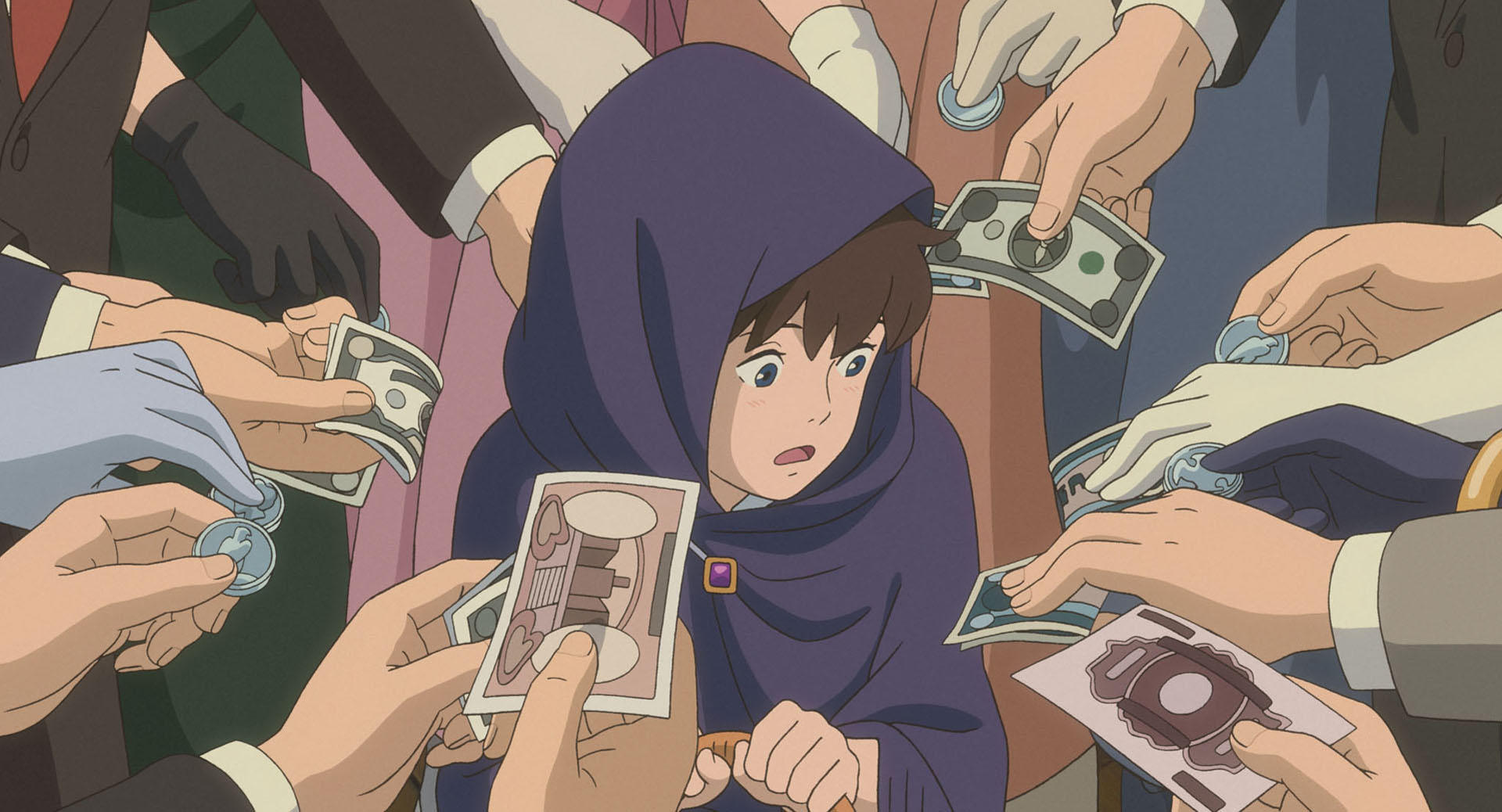
Princess Kaguya Ending Explained: The Moon, Memory, and the Cost of Beauty

0
Official Studio Ghibli still from ghibli.jp, used within the site source policy.

Quick answer: The ending is tragic because Kaguya is taken back to the moon after discovering earthly feeling too late, making the story about the cost of treating beauty and status as more important than a lived life.

This guide explains The Tale of the Princess Kaguya in plain English without flattening it into one rigid theory. Studio Ghibli often leaves room for mystery, but the emotional direction is usually clear: a character learns how to live with change, loss, responsibility, wonder, or desire.

Plain-English explanation

The moon procession feels serene, but its calmness is frightening because it removes grief instead of honoring it.

Kaguya’s loss is the loss of ordinary seasons, imperfect family life, and freedom.

The film’s sketch-like animation makes emotion feel immediate, as if the story is being remembered while it disappears.

Symbols and details that matter

  • The robe from the moon erases sorrow, which is exactly why it feels cruel.
  • The bamboo origin turns a gift into a responsibility the adults misunderstand.
  • The suitors represent status games that cannot see Kaguya as a person.
  • The final backward glance preserves the value of pain because pain proves she loved Earth.

Why viewers keep debating it

The film keeps literal story and emotional truth moving together. That is why viewers can agree on what happens but still debate what it means. Ghibli’s ambiguity is not laziness; it is an invitation to connect the fantasy image to the viewer’s own experience of growing up, losing something, or trying to act kindly in a difficult world.

How to use this guide

This page is meant to answer the main search question quickly, then give enough context for a useful rewatch. For The Tale of the Princess Kaguya, the most important details are rarely delivered as exposition. They appear in food, rooms, weather, work, names, gestures, music, and the small pauses before a character decides what to do next.

If you are new to Studio Ghibli, treat this as a practical doorway rather than homework. Watch the film once for feeling, then return to the guide for structure. If you are already a fan, use the sections as prompts for noticing how carefully the scene craft supports the emotion.

Related viewing path

After this, browse the Studio Ghibli movies-in-order guide, the site’s watch guides, character explainers, and ranking pages. Ghibli films usually stand alone, so the best next watch depends on mood: cosy, strange, romantic, ecological, sad, adventurous, or dreamlike.

Editorial note

This article is original fan-guide analysis. It uses official Studio Ghibli imagery only and avoids rehosting Reddit, Pinterest, Google Images, or fan-site images. Fan discussions can reveal what viewers are curious about, but the interpretation here is written from the films themselves.

Image source note: featured image uses an official Studio Ghibli still from the The Tale of the Princess Kaguya official image pack staged from ghibli.jp. Studio Ghibli’s official work pages include the usage notice “※画像は常識の範囲でご自由にお使いください。”

Rewatch checklist

On a rewatch, pay attention to the film’s small practical details: meals, doors, journeys, weather, rooms, clothing, names, tools, animals, and pauses before decisions. Studio Ghibli often puts the strongest emotional information in ordinary actions rather than in speeches. A character making tea, walking through rain, cleaning a room, or choosing not to answer can matter as much as a magical event.

This is also why the same Ghibli film can feel different at different ages. Children may remember the creature, chase, spell, or joke; adult viewers may notice work, grief, money, illness, family pressure, ecological damage, or the cost of leaving home. The best interpretation leaves room for both reactions.

Who this page is for

Use this guide if you are choosing what to watch next, explaining the film after a first viewing, or building a themed Studio Ghibli marathon. The aim is not to replace the movie with analysis. The aim is to make the next watch more attentive, more emotionally specific, and easier to connect with the rest of the Ghibli catalogue.

Additional rewatch notes

For a stronger rewatch, focus on how the film handles ordinary actions. Meals, travel, weather, rooms, work, silence, and small acts of care often carry the meaning that a less subtle movie would put into dialogue. This is one reason Studio Ghibli guides should not only summarize plot: the craft is in how emotion is staged.

It also helps to ask what the character has learned by the final scene. Has the world become safer, or has the character simply become more capable of living in it? Many Ghibli endings are hopeful without being neat, which is why they keep working for both new viewers and long-time fans.

Quick reader answer

If you landed here looking for a simple answer about Princess Kaguya Ending Explained: The Moon, Memory, and the Cost of Beauty, start with the core viewing decision: what mood, age range, or character question are you trying to solve? Studio Ghibli topics can be surprisingly broad, so the most useful guide is one that gives you a direct recommendation first, then explains the context without spoiling the magic.

Official Studio Ghibli still added to enrich this guide
Official Studio Ghibli still from ghibli.jp.

Why this topic matters for Ghibli fans

Studio Ghibli films stay popular because they are easy to revisit from different angles. A child may remember the creatures and flying scenes. An adult may notice work, grief, responsibility, war, creativity, or the cost of growing up. That layered quality is why even a narrow topic deserves more than a short placeholder. The best answer should help a new viewer choose what to watch next while giving returning fans a reason to look again.

When comparing Ghibli movies, it helps to separate three things: story intensity, emotional weight, and rewatch comfort. Some films are visually gentle but emotionally deep. Others look like family adventures but include frightening moments or complex moral conflict. A good guide should make those differences clear before asking the reader to commit to a film night.

How to use this guide

Use this page as a practical starting point, then follow the internal links to related watch guides, character explainers, and movie hubs. If you are new to the studio, the safest path is usually to begin with accessible films like My Neighbor Totoro, Kiki’s Delivery Service, Ponyo, or Spirited Away depending on age and tolerance for strange imagery. If you already love Ghibli, use this topic as a way to choose a more specific rewatch.

Useful viewing context

Ghibli stories rarely work like simple franchises. Most films stand alone, and there is no required cinematic universe order. That gives viewers freedom, but it also means searchers need context: which film is gentle, which is intense, which is best for children, which is best for adults, and which one best matches a particular character or theme. This page has been expanded to make that decision easier.

For broader orientation, read the Studio Ghibli movies in order guide. For comfort-led viewing, see the cozy night recommendations. Families should also use the age-friendly kids guide before choosing one of the heavier films.

FAQs

Do I need to understand every Studio Ghibli reference first?

No. Most Ghibli films are standalone. Context helps you choose, but the stories are designed to work emotionally even if you are new.

Which Ghibli film is the easiest next watch?

For most viewers, My Neighbor Totoro is the gentlest next step, while Spirited Away is the best-known all-round gateway.

Are the darker Ghibli films still worth watching?

Yes, but choose the right moment. Princess Mononoke, The Wind Rises, and Grave of the Fireflies are powerful, but they are not casual comfort picks.

Image source note: official Studio Ghibli stills are credited to ghibli.jp and used within the official common-sense usage notice.

When Marnie Was There Ending Explained: Memory, Grief, and the Marsh House

0

Quick answer: The ending reveals Marnie as a family memory rather than an ordinary new friend, turning the mystery into a story about inherited loneliness, grief, and learning that love can arrive late but still matter.

What the ending means

The marsh house is a threshold between Anna’s present pain and a buried family story. At first, Marnie feels like a ghostly friend from a separate fairy-tale world. By the end, the film reframes that friendship as Anna’s way of encountering family history, emotional inheritance, and a love she did not know how to recognize.

The reveal matters because it does not make Anna’s loneliness fake. Instead, it gives her loneliness context. She has felt unwanted, awkward, and separate from other people, but the truth about Marnie helps her see that pain can travel through families without being anyone’s simple fault.

Why Marnie appears to Anna

Studio Ghibli does not explain the mechanics like a rulebook. The point is emotional rather than technical: Marnie appears because Anna needs to meet a version of love, abandonment, and sadness that existed before her. The fantasy makes memory feel like a place Anna can walk into, explore, misunderstand, and finally leave with more compassion.

The marsh house as a symbol

The marsh house is beautiful, unstable, and partly inaccessible, which is exactly how memory works in the film. It draws Anna in, but it cannot become her permanent home. The tides, distance, parties, windows, and empty rooms all suggest a past that can be visited but not possessed.

Is the ending happy or sad?

It is both. The ending is sad because Marnie’s life contained real fear and abandonment, and Anna cannot simply repair the past. It is happy because Anna can stop treating herself as a problem. She leaves with a better understanding of her family, her foster mother, and her own capacity to be loved.

Details to notice on a rewatch

  • Anna’s sketches show that looking carefully is the first step toward belonging.
  • Marnie’s parties create fairy-tale distance before the family truth lands.
  • The silo scene turns childhood fear into shared vulnerability.
  • The final goodbye is not rejection; it is permission to live forward.

How it connects to other Ghibli films

Like many Studio Ghibli stories, this film treats childhood as emotionally serious. Pair it with the site’s beginner watch guide and broader movie guides when building a thoughtful viewing path.

Bottom line

When Marnie Was There ends by turning a ghost-story mystery into a family-memory story. Anna is not rescued by a neat explanation; she is changed by a relationship that helps her understand where pain came from and why love can still be trusted.

Image source note: featured image uses an official Studio Ghibli still. Studio Ghibli’s official work pages include the usage notice “※画像は常識の範囲でご自由にお使いください.” Source: ghibli.jp.

How to use this guide

This page is meant to answer the main search question quickly, then give enough context for a useful rewatch. For When Marnie Was There, the most important details are rarely delivered as exposition. They appear in food, rooms, weather, work, names, gestures, music, and the small pauses before a character decides what to do next.

If you are new to Studio Ghibli, treat this as a practical doorway rather than homework. Watch the film once for feeling, then return to the guide for structure. If you are already a fan, use the sections as prompts for noticing how carefully the scene craft supports the emotion.

Related viewing path

After this, browse the Studio Ghibli movies-in-order guide, the site’s watch guides, character explainers, and ranking pages. Ghibli films usually stand alone, so the best next watch depends on mood: cosy, strange, romantic, ecological, sad, adventurous, or dreamlike.

Editorial note

This article is original fan-guide analysis. It uses official Studio Ghibli imagery only and avoids rehosting Reddit, Pinterest, Google Images, or fan-site images. Fan discussions can reveal what viewers are curious about, but the interpretation here is written from the films themselves.

Rewatch checklist

On a rewatch, pay attention to the film’s small practical details: meals, doors, journeys, weather, rooms, clothing, names, tools, animals, and pauses before decisions. Studio Ghibli often puts the strongest emotional information in ordinary actions rather than in speeches. A character making tea, walking through rain, cleaning a room, or choosing not to answer can matter as much as a magical event.

This is also why the same Ghibli film can feel different at different ages. Children may remember the creature, chase, spell, or joke; adult viewers may notice work, grief, money, illness, family pressure, ecological damage, or the cost of leaving home. The best interpretation leaves room for both reactions.

Who this page is for

Use this guide if you are choosing what to watch next, explaining the film after a first viewing, or building a themed Studio Ghibli marathon. The aim is not to replace the movie with analysis. The aim is to make the next watch more attentive, more emotionally specific, and easier to connect with the rest of the Ghibli catalogue.

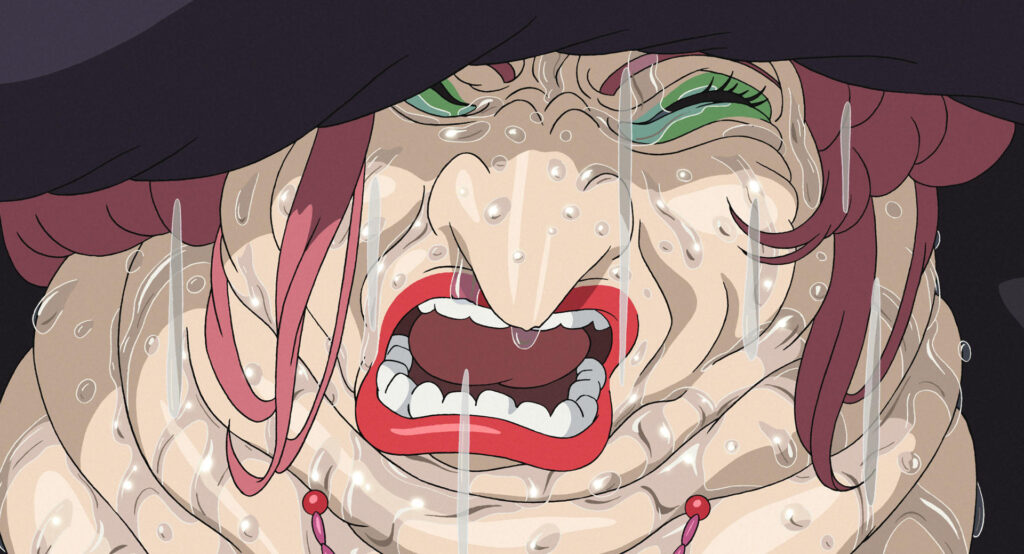
Spirited Away Symbols Explained: Food, Names, Water, and the Bathhouse

0
Official Studio Ghibli still for Spirited Away Symbols Explained: Food, Names, Water, and the Bathhouse
Official Studio Ghibli still, used within the common-sense usage notice on ghibli.jp.

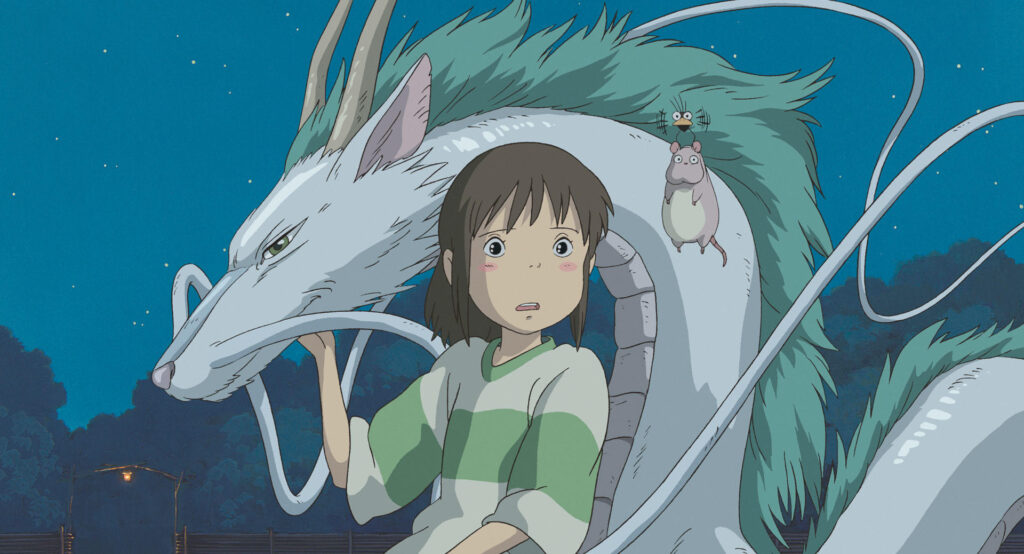
Quick answer: Spirited Away’s strongest symbols are practical before they are hidden: food reveals appetite, names protect identity, water cleanses memory, and the bathhouse turns work into a test of selfhood.

This guide is part of the StudioGhibliMovies.com authority build: clear answers first, deeper interpretation second, official Studio Ghibli imagery, and internal links that help readers move through characters, endings, rankings, and watch guides.

At a glance

  • Main search intent: Spirited Away Symbols Explained: Food, Names, Water, and the Bathhouse
  • Best for: viewers who want an explanation without losing the feeling of the film.
  • Related path: characters, ending explainers, and watch-order guides.

Why Spirited Away feels symbolic

Spirited Away feels full of symbols because its fantasy world is built from rules that behave emotionally. Eating can transform you. A name can trap you. A bath can reveal a polluted river spirit. Gold can make people forget judgement. The symbols work because they are also plot actions.

That reading stays close to the film rather than turning the detail into trivia. Ghibli storytelling often makes meaning through routine actions — eating, cleaning, travelling, naming, waiting, and caring for someone under pressure. The more closely you watch those actions, the clearer the character or symbol becomes.

Food and appetite

Food is one of the film’s clearest warning signs. Chihiro’s parents eat without permission and become pigs. No-Face offers gold and food until appetite turns monstrous. Shared food can also comfort and restore, which keeps the symbol from being one-note.

That reading stays close to the film rather than turning the detail into trivia. Ghibli storytelling often makes meaning through routine actions — eating, cleaning, travelling, naming, waiting, and caring for someone under pressure. The more closely you watch those actions, the clearer the character or symbol becomes.

Names and identity

Yubaba’s name theft makes identity concrete. Chihiro becoming Sen shows how a workplace, contract, or system can reduce a person to a function. Remembering a name becomes an act of resistance.

That reading stays close to the film rather than turning the detail into trivia. Ghibli storytelling often makes meaning through routine actions — eating, cleaning, travelling, naming, waiting, and caring for someone under pressure. The more closely you watch those actions, the clearer the character or symbol becomes.

Water, cleansing, and memory

The bathhouse setting lets water carry multiple meanings: labour, purification, pollution, memory, and release. The river spirit sequence is not just gross-out comedy; it is a miniature environmental story about what humans dump into the sacred and then forget.

That reading stays close to the film rather than turning the detail into trivia. Ghibli storytelling often makes meaning through routine actions — eating, cleaning, travelling, naming, waiting, and caring for someone under pressure. The more closely you watch those actions, the clearer the character or symbol becomes.

How to watch this on a rewatch

On a rewatch, pause less on plot mechanics and more on repeated behaviour. Notice who pays attention, who uses power carelessly, who remembers a name, who changes after receiving kindness, and who treats the natural world as alive rather than decorative. Those observations usually reveal more than a single hidden-symbol explanation.

Related guides

Keep exploring with the movies-in-order guide, the best movies to watch first list, and the connected Studio Ghibli movies explainer.

FAQ

Is this the only interpretation?

No. It is a grounded reading based on what the film shows. Ghibli films are generous enough to support multiple emotional readings without becoming random puzzle boxes.

Should new viewers read this before watching?

For character and symbol guides, it is usually better after a first viewing. If you are choosing where to start, use the beginner watch guide first.

Why include this topic on the site?

Because strong fan-guide architecture needs more than movie summaries. Character, symbol, gift, ranking, and ending pages answer the real questions people search after a film stays in their head.


Image note: Featured imagery for this article uses official Studio Ghibli stills sourced from ghibli.jp. Studio Ghibli’s official image pages include the common-sense usage notice: ※画像は常識の範囲でご自由にお使いください。

Why fans keep coming back to this question

The question stays alive because the film gives enough clarity to be emotionally satisfying and enough openness to reward another viewing. A good guide should respect both sides: answer the search query plainly, then point readers toward the next detail worth noticing.

Additional reader guidance

For readers arriving from Google, the most important thing is a direct answer followed by useful context. This section adds that final layer: how the topic should shape a watch choice, rewatch, or buying decision. Studio Ghibli fans often search after a scene or character stays with them, so the page should help them name what they noticed and then move naturally to a related film, character, or guide.

When using this guide, treat it as a companion rather than a replacement for the film. The strongest Ghibli details work through rhythm, music, composition, and small gestures. A good explanation points you back to those moments with better questions: who is being cared for, who is using power, what has been forgotten, and what kind of freedom the story is protecting.

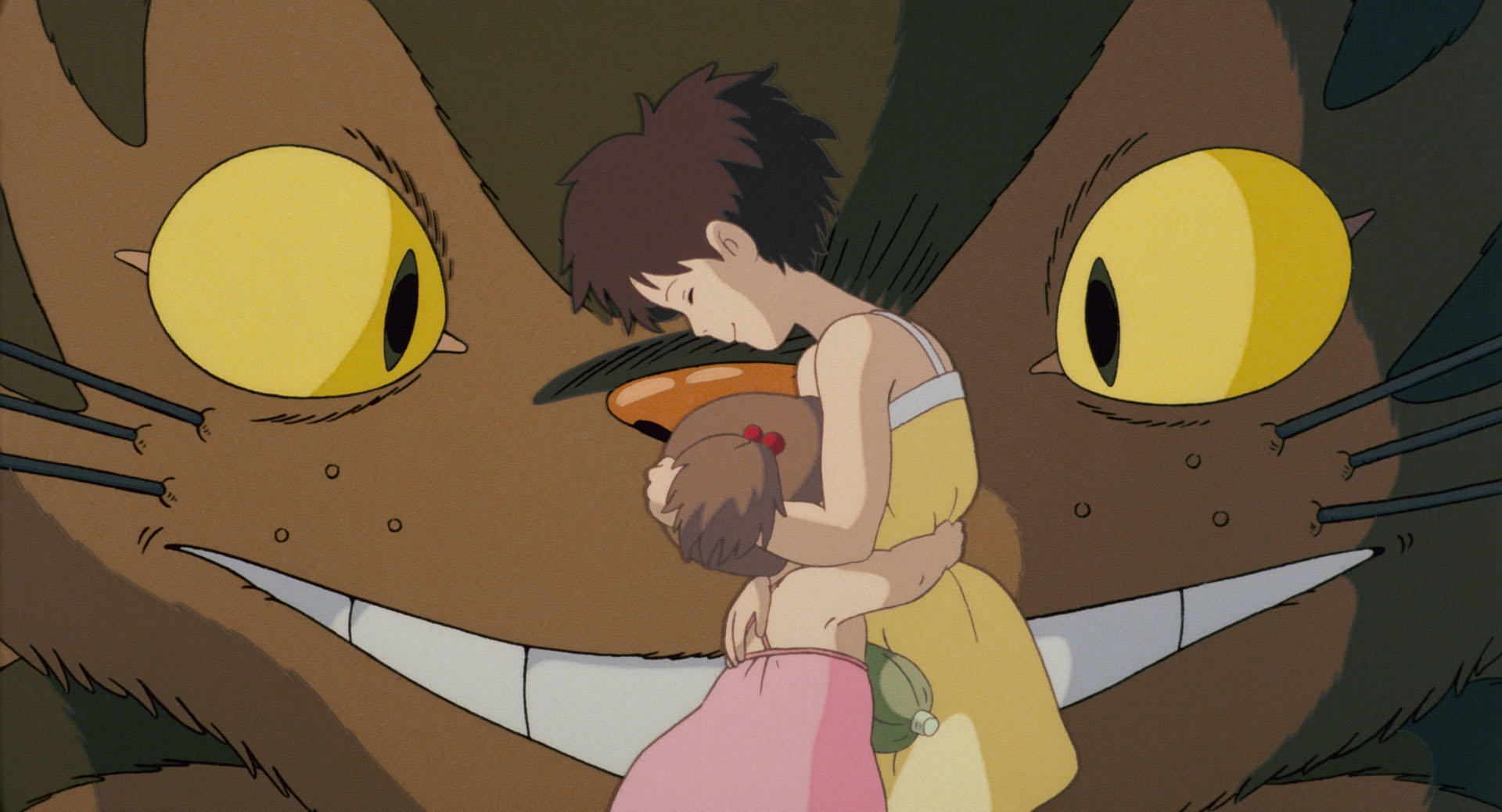
Catbus Explained: Totoro’s Strangest Spirit and Why Fans Love It

0
Official Studio Ghibli still for Catbus Explained: Totoro’s Strangest Spirit and Why Fans Love It
Official Studio Ghibli still, used within the common-sense usage notice on ghibli.jp.

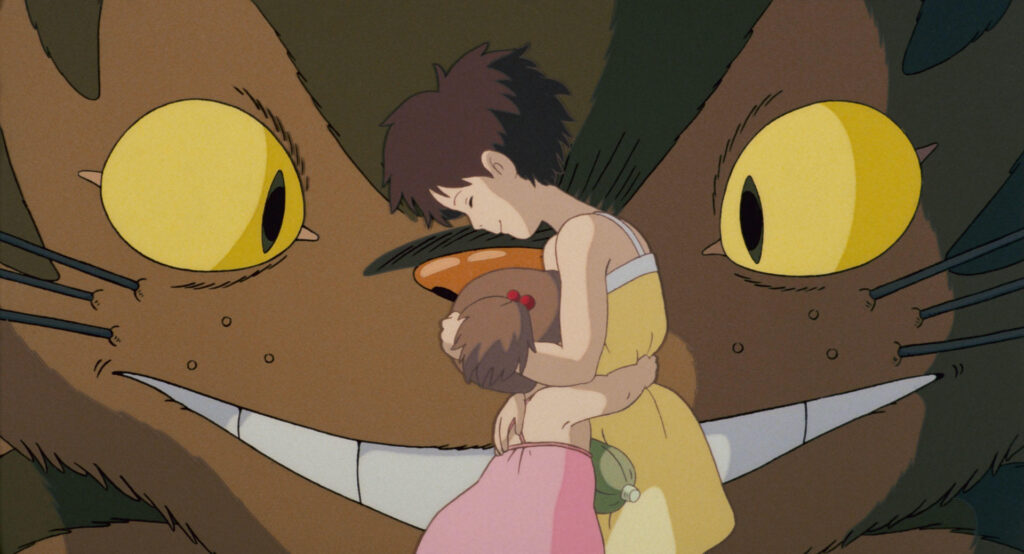
Quick answer: Catbus is unforgettable because it turns public transport into forest magic: helpful, eerie, soft, impossible, and completely accepted by the children who need it.

This guide is part of the StudioGhibliMovies.com authority build: clear answers first, deeper interpretation second, official Studio Ghibli imagery, and internal links that help readers move through characters, endings, rankings, and watch guides.

At a glance

  • Main search intent: Catbus Explained: Totoro’s Strangest Spirit and Why Fans Love It
  • Best for: viewers who want an explanation without losing the feeling of the film.
  • Related path: characters, ending explainers, and watch-order guides.

What is Catbus?

Catbus is exactly what the name promises and still somehow stranger: a many-legged cat-shaped bus with glowing eyes, furry seats, destination signs, and the ability to sprint across fields and power lines. The film offers no lore lecture, which is part of the charm.

That reading stays close to the film rather than turning the detail into trivia. Ghibli storytelling often makes meaning through routine actions — eating, cleaning, travelling, naming, waiting, and caring for someone under pressure. The more closely you watch those actions, the clearer the character or symbol becomes.

Why Catbus works

Catbus works because Totoro’s world treats magic as local and matter-of-fact. The children do not need a taxonomy of spirits. They need help reaching Mei. Catbus appears as a form of kindness that matches a child’s imagination: transport that is alive, warm, and fast.

That reading stays close to the film rather than turning the detail into trivia. Ghibli storytelling often makes meaning through routine actions — eating, cleaning, travelling, naming, waiting, and caring for someone under pressure. The more closely you watch those actions, the clearer the character or symbol becomes.

Comfort and eeriness

Part of Catbus’s appeal is the mix of comfort and uncanniness. It is cute, but also a little wild. That balance keeps Ghibli magic from becoming generic softness. The forest is friendly, but it is not ordinary.

That reading stays close to the film rather than turning the detail into trivia. Ghibli storytelling often makes meaning through routine actions — eating, cleaning, travelling, naming, waiting, and caring for someone under pressure. The more closely you watch those actions, the clearer the character or symbol becomes.

Why fans remember it

Catbus is one of the perfect examples of Ghibli design logic. The image is funny in a single second, but it also has emotional purpose. It turns fear into motion and gives Satsuki a way to act when adult systems cannot help quickly enough.

That reading stays close to the film rather than turning the detail into trivia. Ghibli storytelling often makes meaning through routine actions — eating, cleaning, travelling, naming, waiting, and caring for someone under pressure. The more closely you watch those actions, the clearer the character or symbol becomes.

How to watch this on a rewatch

On a rewatch, pause less on plot mechanics and more on repeated behaviour. Notice who pays attention, who uses power carelessly, who remembers a name, who changes after receiving kindness, and who treats the natural world as alive rather than decorative. Those observations usually reveal more than a single hidden-symbol explanation.

Related guides

Keep exploring with the movies-in-order guide, the best movies to watch first list, and the connected Studio Ghibli movies explainer.

FAQ

Is this the only interpretation?

No. It is a grounded reading based on what the film shows. Ghibli films are generous enough to support multiple emotional readings without becoming random puzzle boxes.

Should new viewers read this before watching?

For character and symbol guides, it is usually better after a first viewing. If you are choosing where to start, use the beginner watch guide first.

Why include this topic on the site?

Because strong fan-guide architecture needs more than movie summaries. Character, symbol, gift, ranking, and ending pages answer the real questions people search after a film stays in their head.


Image note: Featured imagery for this article uses official Studio Ghibli stills sourced from ghibli.jp. Studio Ghibli’s official image pages include the common-sense usage notice: ※画像は常識の範囲でご自由にお使いください。

Why fans keep coming back to this question

The question stays alive because the film gives enough clarity to be emotionally satisfying and enough openness to reward another viewing. A good guide should respect both sides: answer the search query plainly, then point readers toward the next detail worth noticing.

Additional reader guidance

For readers arriving from Google, the most important thing is a direct answer followed by useful context. This section adds that final layer: how the topic should shape a watch choice, rewatch, or buying decision. Studio Ghibli fans often search after a scene or character stays with them, so the page should help them name what they noticed and then move naturally to a related film, character, or guide.

When using this guide, treat it as a companion rather than a replacement for the film. The strongest Ghibli details work through rhythm, music, composition, and small gestures. A good explanation points you back to those moments with better questions: who is being cared for, who is using power, what has been forgotten, and what kind of freedom the story is protecting.

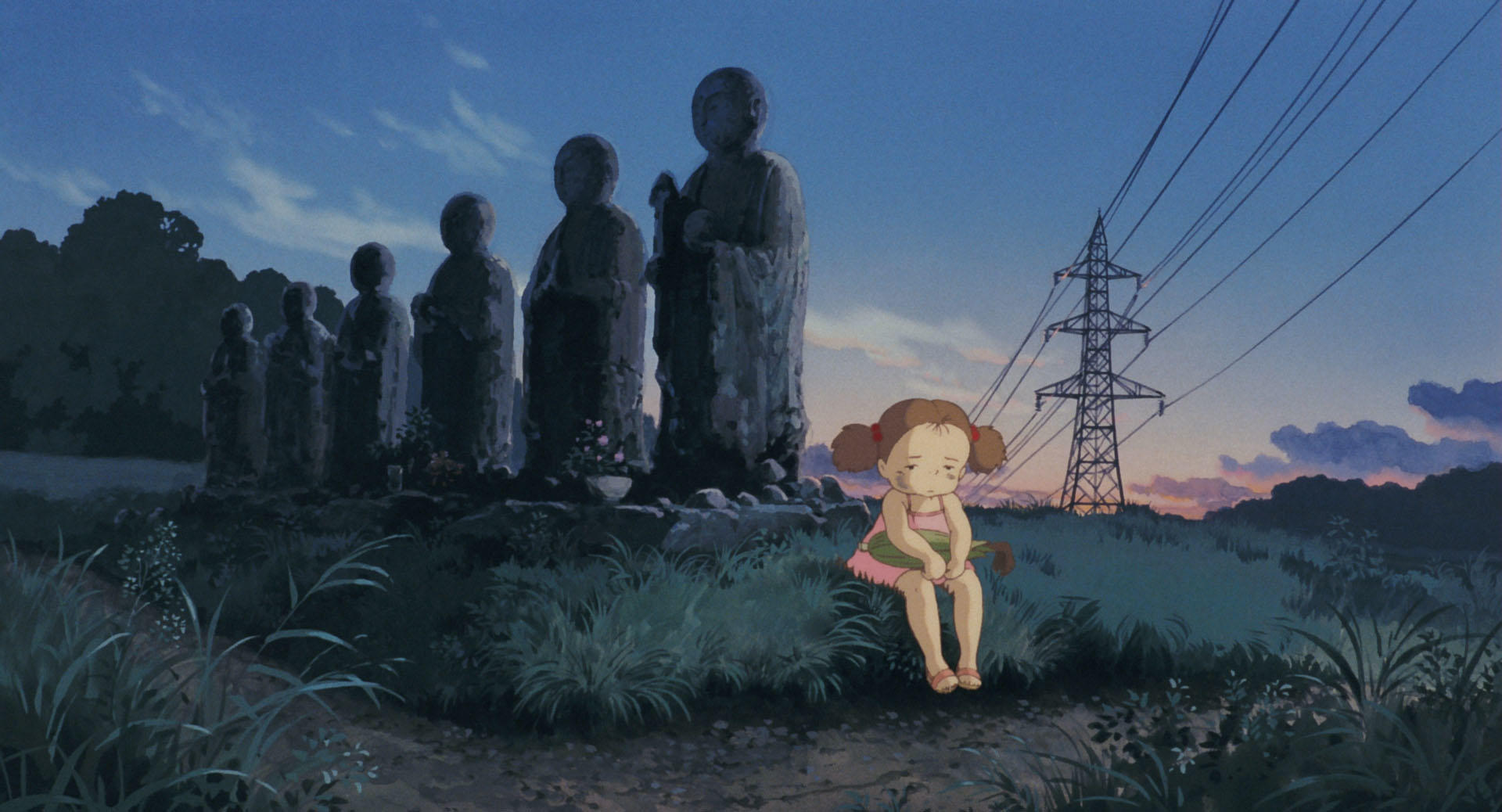
Satsuki and Mei Character Guide: Sisters, Fear, and Wonder in My Neighbor Totoro

0
Official Studio Ghibli still for Satsuki and Mei Character Guide: Sisters, Fear, and Wonder in My Neighbor Totoro
Official Studio Ghibli still, used within the common-sense usage notice on ghibli.jp.

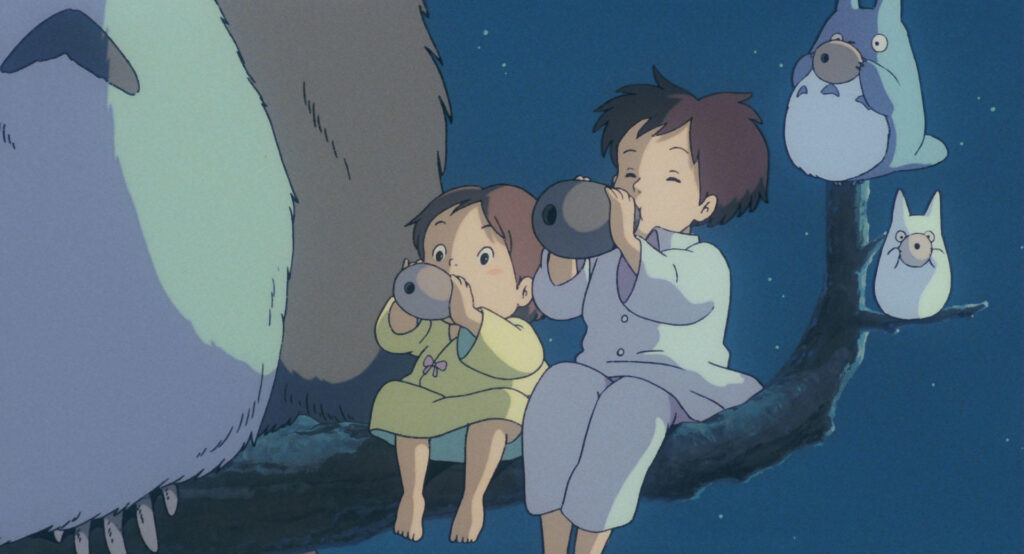
Quick answer: Satsuki and Mei make My Neighbor Totoro work because the film treats childhood as emotional reality: play, jealousy, responsibility, fear, and wonder all live side by side.

This guide is part of the StudioGhibliMovies.com authority build: clear answers first, deeper interpretation second, official Studio Ghibli imagery, and internal links that help readers move through characters, endings, rankings, and watch guides.

At a glance

  • Main search intent: Satsuki and Mei Character Guide: Sisters, Fear, and Wonder in My Neighbor Totoro
  • Best for: viewers who want an explanation without losing the feeling of the film.
  • Related path: characters, ending explainers, and watch-order guides.

Why the sisters matter

Totoro is often remembered for the forest spirits, but Satsuki and Mei are the emotional centre. The magic works because their everyday life is so carefully observed: moving house, waiting for their mother, testing boundaries, and turning a rural landscape into a kingdom of attention.

That reading stays close to the film rather than turning the detail into trivia. Ghibli storytelling often makes meaning through routine actions — eating, cleaning, travelling, naming, waiting, and caring for someone under pressure. The more closely you watch those actions, the clearer the character or symbol becomes.

Satsuki as the older child

Satsuki carries responsibility before she fully understands it. She cooks, runs messages, reassures Mei, and tries to stay brave when adults are worried. Her cheerfulness is real, but so is the pressure underneath it.

That reading stays close to the film rather than turning the detail into trivia. Ghibli storytelling often makes meaning through routine actions — eating, cleaning, travelling, naming, waiting, and caring for someone under pressure. The more closely you watch those actions, the clearer the character or symbol becomes.

Mei as the younger child

Mei is impulsive, stubborn, imaginative, and intensely sincere. She finds Totoro because she follows curiosity without adult caution. Her behaviour can be difficult, but the film never mocks her; it understands that young children experience frustration and love at full volume.

That reading stays close to the film rather than turning the detail into trivia. Ghibli storytelling often makes meaning through routine actions — eating, cleaning, travelling, naming, waiting, and caring for someone under pressure. The more closely you watch those actions, the clearer the character or symbol becomes.

Sisterhood and fear

The sisters’ conflict near the end matters because fear has finally outrun play. Mei wants to fix the mother’s illness with child logic; Satsuki panics because she has been trying to manage too much. Totoro’s magic arrives inside that emotional realism, not instead of it.

That reading stays close to the film rather than turning the detail into trivia. Ghibli storytelling often makes meaning through routine actions — eating, cleaning, travelling, naming, waiting, and caring for someone under pressure. The more closely you watch those actions, the clearer the character or symbol becomes.

How to watch this on a rewatch

On a rewatch, pause less on plot mechanics and more on repeated behaviour. Notice who pays attention, who uses power carelessly, who remembers a name, who changes after receiving kindness, and who treats the natural world as alive rather than decorative. Those observations usually reveal more than a single hidden-symbol explanation.

Related guides

Keep exploring with the movies-in-order guide, the best movies to watch first list, and the connected Studio Ghibli movies explainer.

FAQ

Is this the only interpretation?

No. It is a grounded reading based on what the film shows. Ghibli films are generous enough to support multiple emotional readings without becoming random puzzle boxes.

Should new viewers read this before watching?

For character and symbol guides, it is usually better after a first viewing. If you are choosing where to start, use the beginner watch guide first.

Why include this topic on the site?

Because strong fan-guide architecture needs more than movie summaries. Character, symbol, gift, ranking, and ending pages answer the real questions people search after a film stays in their head.


Image note: Featured imagery for this article uses official Studio Ghibli stills sourced from ghibli.jp. Studio Ghibli’s official image pages include the common-sense usage notice: ※画像は常識の範囲でご自由にお使いください。

Why fans keep coming back to this question

The question stays alive because the film gives enough clarity to be emotionally satisfying and enough openness to reward another viewing. A good guide should respect both sides: answer the search query plainly, then point readers toward the next detail worth noticing.

Additional reader guidance

For readers arriving from Google, the most important thing is a direct answer followed by useful context. This section adds that final layer: how the topic should shape a watch choice, rewatch, or buying decision. Studio Ghibli fans often search after a scene or character stays with them, so the page should help them name what they noticed and then move naturally to a related film, character, or guide.

When using this guide, treat it as a companion rather than a replacement for the film. The strongest Ghibli details work through rhythm, music, composition, and small gestures. A good explanation points you back to those moments with better questions: who is being cared for, who is using power, what has been forgotten, and what kind of freedom the story is protecting.

Lady Eboshi Character Guide: Why Princess Mononoke’s Villain Is Not Simple

0
Official Studio Ghibli still for Lady Eboshi Character Guide: Why Princess Mononoke’s Villain Is Not Simple
Official Studio Ghibli still, used within the common-sense usage notice on ghibli.jp.

Quick answer: Lady Eboshi is dangerous because she damages the forest, but she is compelling because she also protects outcasts, employs vulnerable people, and believes progress can justify violence.

This guide is part of the StudioGhibliMovies.com authority build: clear answers first, deeper interpretation second, official Studio Ghibli imagery, and internal links that help readers move through characters, endings, rankings, and watch guides.

At a glance

  • Main search intent: Lady Eboshi Character Guide: Why Princess Mononoke’s Villain Is Not Simple
  • Best for: viewers who want an explanation without losing the feeling of the film.
  • Related path: characters, ending explainers, and watch-order guides.

Who is Lady Eboshi?

Lady Eboshi leads Iron Town, produces iron, fights gods, and resists both samurai control and forest retaliation. A simpler film would make her greed alone explain everything. Princess Mononoke instead shows her as charismatic, intelligent, generous to her people, and willing to commit terrible harm.

That reading stays close to the film rather than turning the detail into trivia. Ghibli storytelling often makes meaning through routine actions — eating, cleaning, travelling, naming, waiting, and caring for someone under pressure. The more closely you watch those actions, the clearer the character or symbol becomes.

Iron Town’s moral complication

Iron Town gives work and dignity to people ignored elsewhere, especially women and lepers. That social good does not erase environmental destruction, but it prevents the viewer from pretending the conflict is easy. Eboshi’s community is both refuge and threat.

That reading stays close to the film rather than turning the detail into trivia. Ghibli storytelling often makes meaning through routine actions — eating, cleaning, travelling, naming, waiting, and caring for someone under pressure. The more closely you watch those actions, the clearer the character or symbol becomes.

Her conflict with San

San sees Eboshi as the face of human violence. Eboshi sees San as a dangerous obstacle to human survival. Both are right about something and blind about something. That mirror structure is why their conflict feels mythic rather than merely personal.

That reading stays close to the film rather than turning the detail into trivia. Ghibli storytelling often makes meaning through routine actions — eating, cleaning, travelling, naming, waiting, and caring for someone under pressure. The more closely you watch those actions, the clearer the character or symbol becomes.

Why she remains memorable

Eboshi is memorable because she believes in what she is building. Her confidence, humour, and courage make her more frightening, not less. The film asks what happens when admirable leadership is tied to a destructive definition of progress.

That reading stays close to the film rather than turning the detail into trivia. Ghibli storytelling often makes meaning through routine actions — eating, cleaning, travelling, naming, waiting, and caring for someone under pressure. The more closely you watch those actions, the clearer the character or symbol becomes.

How to watch this on a rewatch

On a rewatch, pause less on plot mechanics and more on repeated behaviour. Notice who pays attention, who uses power carelessly, who remembers a name, who changes after receiving kindness, and who treats the natural world as alive rather than decorative. Those observations usually reveal more than a single hidden-symbol explanation.

Related guides

Keep exploring with the movies-in-order guide, the best movies to watch first list, and the connected Studio Ghibli movies explainer.

FAQ

Is this the only interpretation?

No. It is a grounded reading based on what the film shows. Ghibli films are generous enough to support multiple emotional readings without becoming random puzzle boxes.

Should new viewers read this before watching?

For character and symbol guides, it is usually better after a first viewing. If you are choosing where to start, use the beginner watch guide first.

Why include this topic on the site?

Because strong fan-guide architecture needs more than movie summaries. Character, symbol, gift, ranking, and ending pages answer the real questions people search after a film stays in their head.


Image note: Featured imagery for this article uses official Studio Ghibli stills sourced from ghibli.jp. Studio Ghibli’s official image pages include the common-sense usage notice: ※画像は常識の範囲でご自由にお使いください。

Why fans keep coming back to this question

The question stays alive because the film gives enough clarity to be emotionally satisfying and enough openness to reward another viewing. A good guide should respect both sides: answer the search query plainly, then point readers toward the next detail worth noticing.

Additional reader guidance

This guide also sits inside a wider StudioGhibliMovies.com cluster. A reader who arrives for one character should be able to continue into the film’s themes, ending, related characters, and watch-order context. That is why the page answers the headline question first, then adds rewatch cues that make the next viewing richer rather than simply repeating the plot.

On a rewatch, look for how the character handles power, fear, loyalty, work, and care. Studio Ghibli often reveals moral complexity through small behaviour before any speech explains it, which is especially important for characters who can look like villains, mascots, or side figures at first glance.

Stay connected

0FansLike
0FollowersFollow
0SubscribersSubscribe
- Advertisement -
Google search engine

Latest article

Why Studio Ghibli Food Scenes Feel So Comforting

0
Quick answer: Studio Ghibli food scenes feel comforting because they show care in motion. The cooking is usually simple, physical, and shared: rice, soup, bread, eggs, noodles, tea, or a packed meal. The point is not luxury. It is the feeling that so

Studio Ghibli Movies for Kids: Age-Friendly Starter Guide

0
Quick answer: the safest Studio Ghibli movies for kids are usually My Neighbor Totoro , Ponyo , and Kiki’s Delivery Service . For older children, add Castle in the Sky , Arrietty , and Whisper of the Heart . Save heavier films like Princess Mononoke

Best Studio Ghibli Movies for a Cozy Night In

0
Quick answer: the best Studio Ghibli movies for a cozy night in are My Neighbor Totoro , Kiki’s Delivery Service , Whisper of the Heart , Howl’s Moving Castle , Ponyo , and, if you want something slightly more emotional, Only Yesterday . Pick based o