If you know you want to watch a Studio Ghibli film but do not know what mood you are in, start here. Ghibli is not one single flavour of cosy animation. The studio has comfort movies, gentle family films, romantic fantasies, sad dramas, environmental epics, coming-of-age stories, and strange dreamlike adventures.
This guide sorts Studio Ghibli movies by mood rather than release date. If you want a strict sequence, use the Studio Ghibli movies in order watch guide. If you are choosing for children, use the parent-friendly Studio Ghibli movies for kids guide. This page is for the more common real-life question: what should I watch tonight?
Quick mood picker
| If you want… | Start with… | Try next… |
|---|---|---|
| Comfort and calm | My Neighbor Totoro | Kiki’s Delivery Service, Arrietty |
| Colour and childlike joy | Ponyo | Totoro, The Cat Returns |
| Romance and magic | Howl’s Moving Castle | Whisper of the Heart, The Wind Rises |
| Adventure | Castle in the Sky | Nausicaä, Princess Mononoke |
| Strangeness and wonder | Spirited Away | Howl, Pom Poko |
| A serious grown-up film | The Wind Rises | Princess Mononoke, Only Yesterday |
| A cathartic sad watch | Grave of the Fireflies | The Tale of the Princess Kaguya |
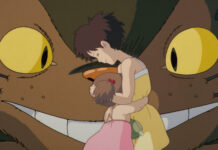
For comfort: My Neighbor Totoro
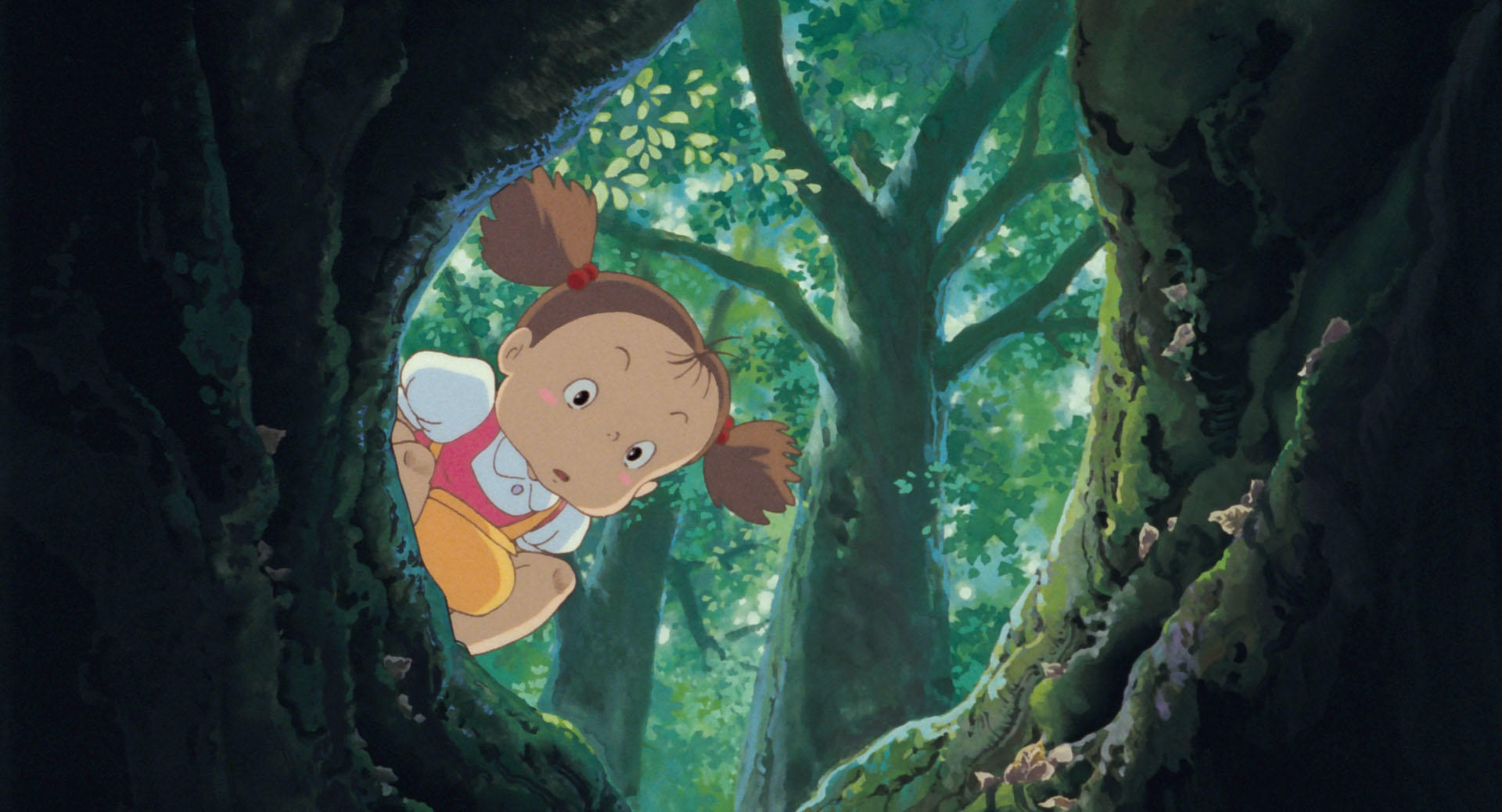
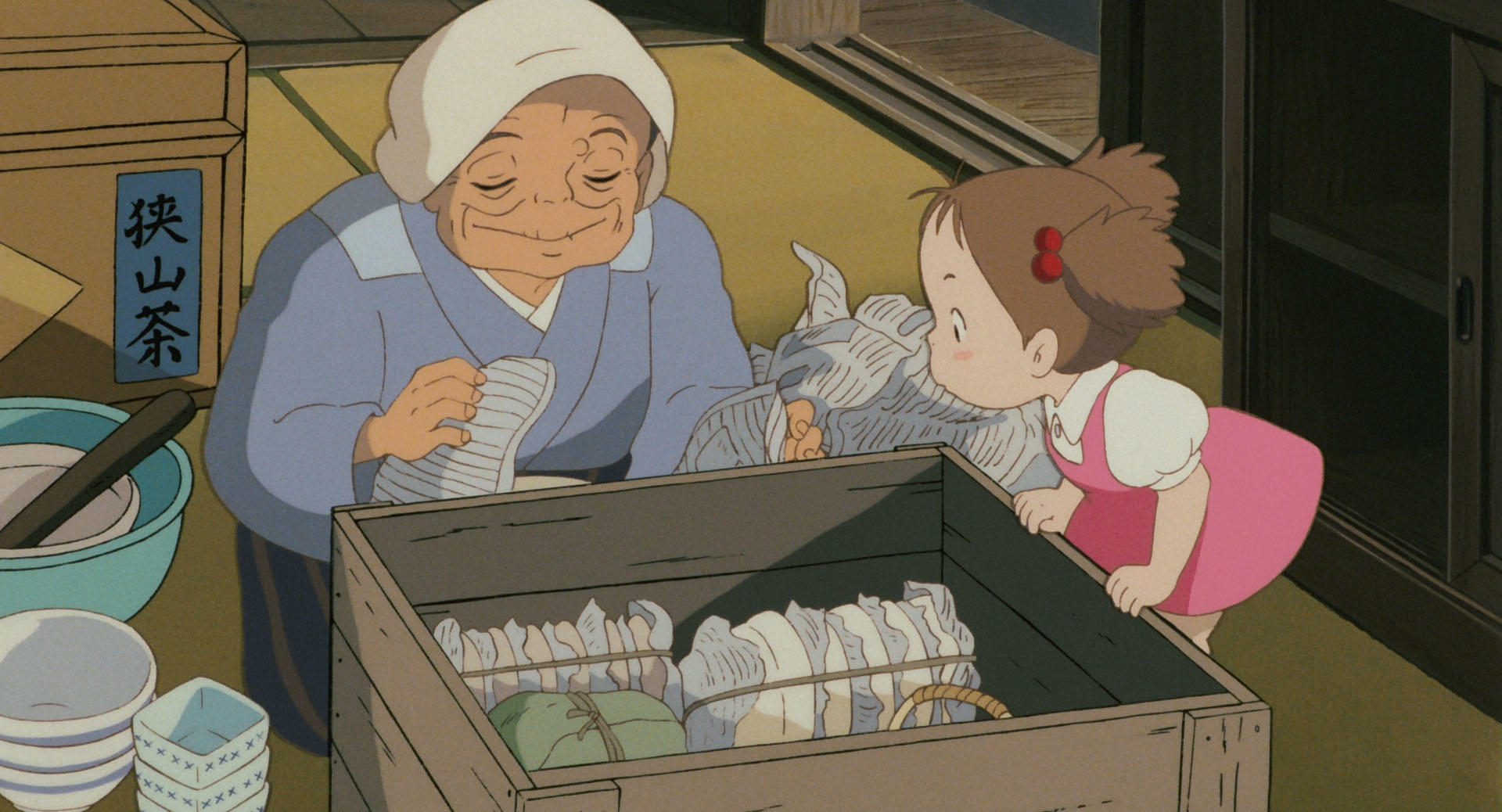
My Neighbor Totoro is the best Ghibli film when you want something soft, warm, and restorative. It has almost no conventional villain, very little plot pressure, and a quiet belief that the world can be frightening and kind at the same time.
The film works especially well after a stressful day because it does not demand much from the viewer. You can enjoy the dust sprites, the rain, the Catbus, and the feeling of children slowly learning a new countryside home. There is a serious emotional undercurrent around the girls’ mother being in hospital, but the film handles that anxiety with unusual gentleness.
Choose Totoro if you want comfort without cynicism. Choose Kiki’s Delivery Service if you want a comfort film with more independence and self-doubt. Choose Arrietty if you want the same quiet, miniature feeling with a slightly more bittersweet edge.
For colour, energy, and simple joy: Ponyo
Ponyo is the best pick when you want something bright, musical, and emotionally direct. It is not Ghibli’s deepest film, but that is part of its appeal. It feels like a children’s drawing came alive and decided to flood the world with goldfish, waves, noodles, and affection.
Its mood is energetic rather than calm. There are storms, swelling seas, and moments where adults are worried, so it is not completely weightless. But the central feeling is joy. Ponyo wants to be human, Sosuke wants to protect her, and the film mostly asks the viewer to accept the magic emotionally rather than logically.
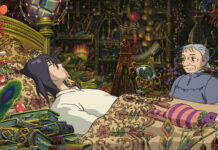
For romance and theatrical fantasy: Howl’s Moving Castle
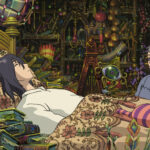
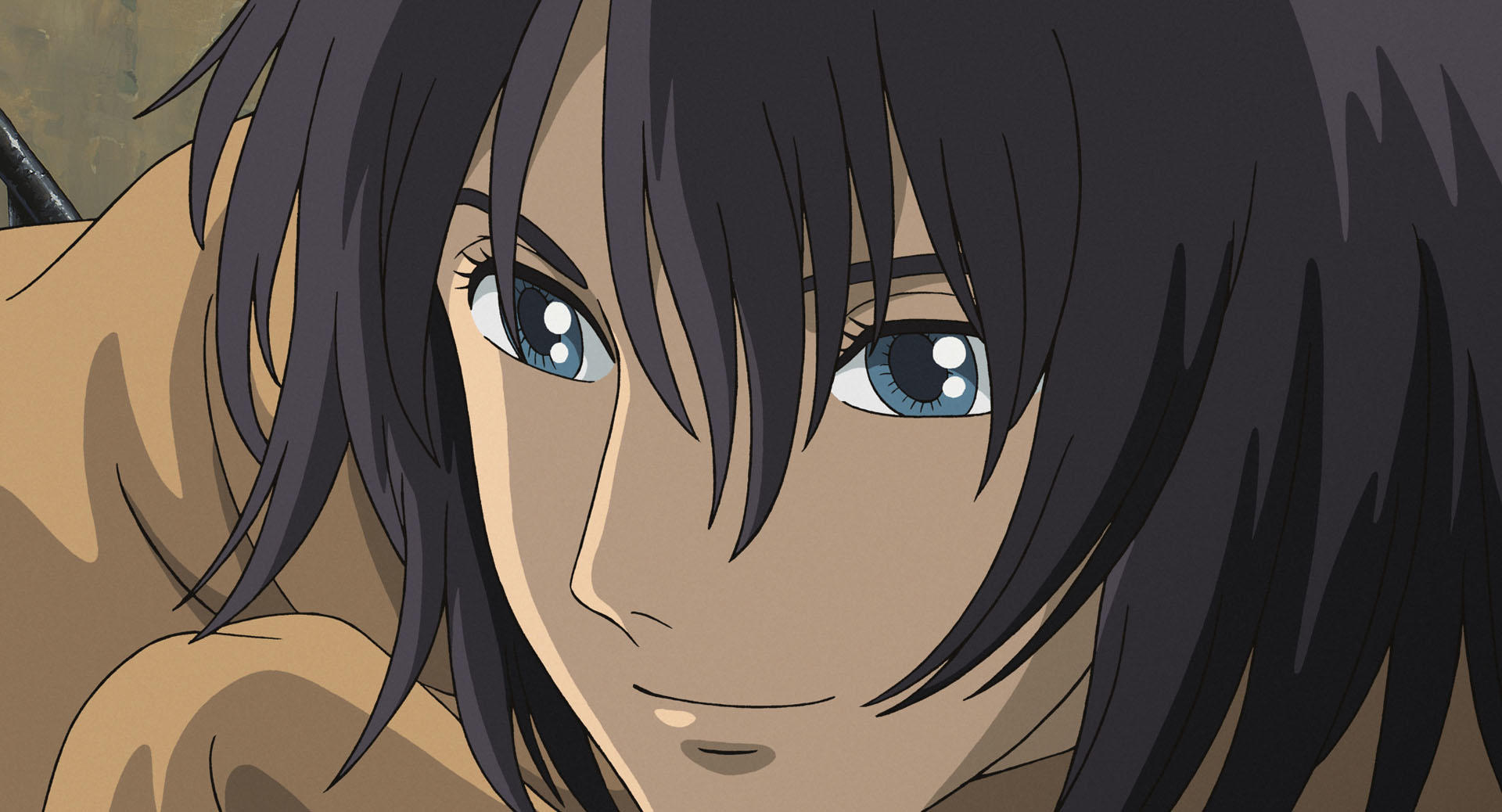
Howl’s Moving Castle is the right choice when you want beauty, romance, style, and a little emotional mess. It has one of Ghibli’s most immediately appealing fantasy worlds: a moving castle, a vain wizard, a young woman cursed into old age, a fire demon, and a war that looms in the background like smoke.
The story is not as cleanly structured as some Ghibli films, but the mood is powerful. It is about self-image, fear, tenderness, and choosing love in a world that keeps turning people into weapons. If you want a film that feels dramatic, magical, and visually lush, this is the obvious pick.
For more grown-up starting points after this, the site’s Studio Ghibli movies for adults guide is the better path than a child-first watch order.
For adventure: Castle in the Sky
Castle in the Sky is Ghibli’s classic adventure mode: sky pirates, ancient technology, floating ruins, military pursuit, and two young leads trying to protect something bigger than themselves. It is faster and more plot-driven than Totoro, easier to follow than Howl, and lighter than Princess Mononoke.
Choose this when you want momentum. It has chases, rescues, airships, secrets, and a sense of old-fashioned wonder. It is also a useful bridge between the gentler family films and the studio’s larger political or environmental stories.
For strangeness and dream logic: Spirited Away
Spirited Away is the film to choose when you want the full “I have never seen anything like this” Ghibli experience. The bathhouse, No-Face, Yubaba, Haku, the soot sprites, the stink spirit, and the train over water all feel like images pulled from a dream that somehow has its own rules.
Its mood is not pure comfort. Chihiro is frightened, her parents are transformed, and the spirit world is funny, beautiful, greedy, lonely, and unsettling all at once. That mix is why the film keeps rewarding rewatches. Pick it when you want wonder with an edge, not when you want the gentlest possible night.
For intensity and myth: Princess Mononoke
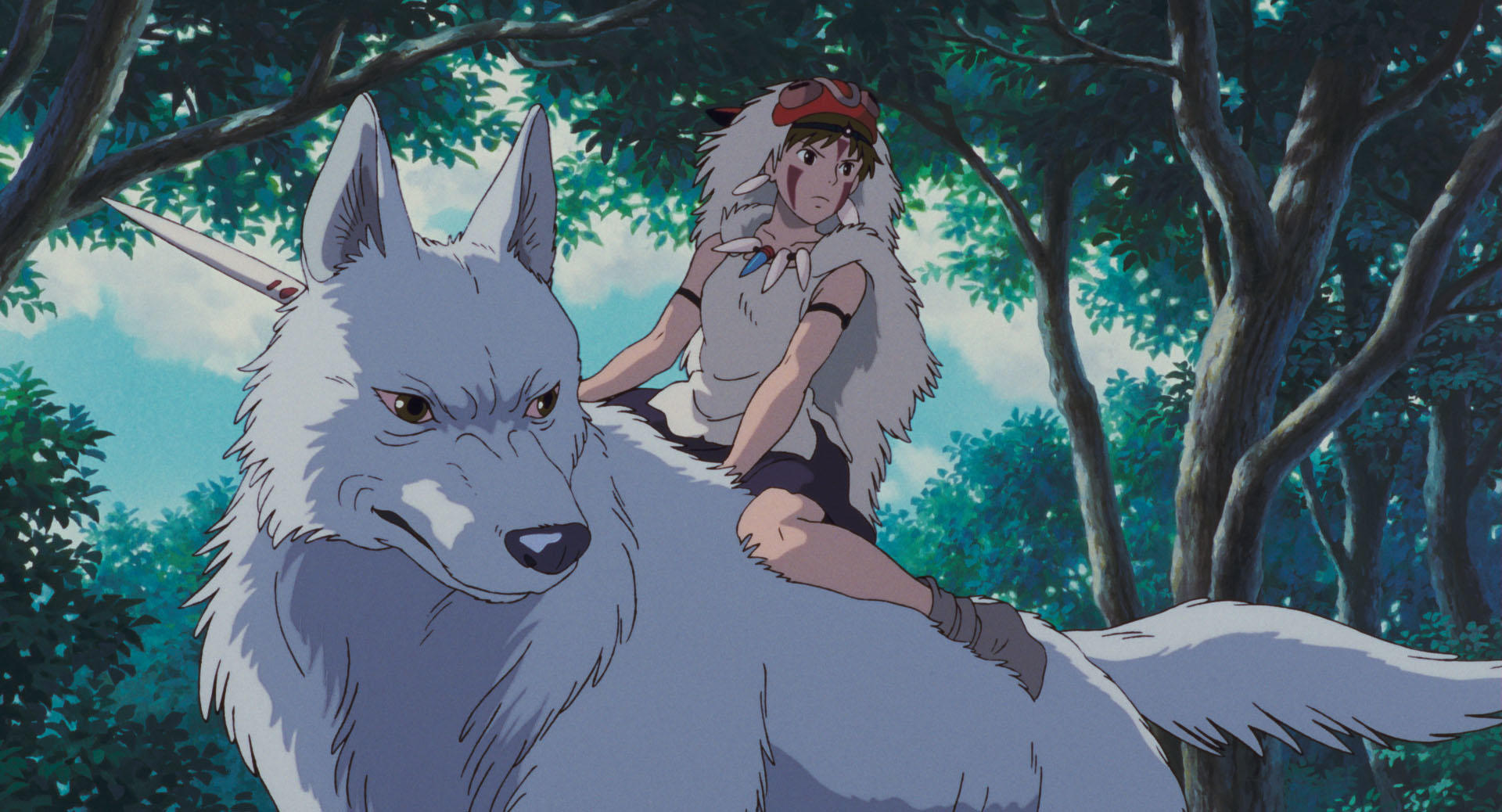
Princess Mononoke is the right mood when you want Ghibli at its most epic. It is violent, angry, beautiful, and morally complex. No side is completely clean. The forest gods are awe-inspiring and terrifying. The humans are destructive and sympathetic. Ashitaka keeps trying to see clearly without pretending the conflict is simple.
This is not the best first Ghibli movie for young children, but it is one of the best examples of the studio’s ability to make animation feel ancient, political, and alive. Watch it when you want stakes, not softness.
For quiet realism: Whisper of the Heart and Only Yesterday
Not every Studio Ghibli mood depends on fantasy. Whisper of the Heart is ideal when you want creativity, school life, first love, and the scary feeling of trying to become good at something. It is gentle, but emotionally precise.
Only Yesterday is slower and more adult. It is about memory, work, choices, and the gap between who someone was as a child and who they became. Choose it when you want reflection rather than spectacle.
For sadness and emotional release
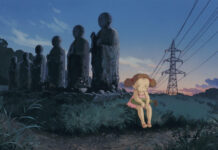
Sometimes the right film is the one that hurts. Grave of the Fireflies is the obvious warning here: it is a devastating war drama, not a casual animated family movie. The Tale of the Princess Kaguya is also emotionally heavy, but in a more poetic, mythic way. The Wind Rises carries a quieter sadness about beauty, ambition, illness, and history.
If that is the mood you are looking for, use the separate ranking of the saddest Studio Ghibli movies before choosing. It is worth knowing what kind of sadness you are signing up for.
How to choose the right Ghibli movie tonight
- If you are tired: choose Totoro, Kiki, or Arrietty.
- If you want spectacle: choose Howl, Castle in the Sky, or Princess Mononoke.
- If you want a masterpiece and can handle weirdness: choose Spirited Away.
- If you want something serious: choose The Wind Rises, Only Yesterday, or Princess Mononoke.
- If you are watching with younger kids: stay with Totoro, Ponyo, Kiki, or The Cat Returns.
FAQ
What is the cosiest Studio Ghibli movie?
My Neighbor Totoro is the cosiest overall. Kiki’s Delivery Service is the best cosy pick if you want more character growth and a city setting.
Which Studio Ghibli movie should I watch if I liked Spirited Away?
Try Howl’s Moving Castle for magical spectacle, Princess Mononoke for a darker mythic world, or Castle in the Sky for a clearer adventure structure.
What is the best Studio Ghibli movie for a sad mood?
If you want comfort while sad, choose Totoro or Kiki. If you want catharsis, choose The Tale of the Princess Kaguya or The Wind Rises. Save Grave of the Fireflies for a time when you are ready for something genuinely devastating.
Bottom line
Studio Ghibli is easiest to navigate by mood. Start with what you need from the evening: comfort, joy, romance, adventure, strangeness, intensity, realism, or sadness. Once you know that, the right film becomes much easier to choose.
Image note: this article uses official Studio Ghibli stills from ghibli.jp, where the studio states that images may be used within common-sense bounds: 「※画像は常識の範囲でご自由にお使いください。」
If tonight’s choice depends on the emotional landing as much as the mood, the Studio Ghibli endings ranking compares the final scenes that leave the strongest after-effect.