If you are looking for Studio Ghibli movies about grief and healing, start with films that treat sadness as something people move through rather than something neatly solved. Ghibli is rarely blunt about loss. It often shows grief through quiet rooms, difficult goodbyes, strained families, lonely children, and landscapes that seem to hold a character’s feelings before they can say them out loud.
This guide is spoiler-light. It is meant to help you choose the right film for the mood you are in, whether you want comfort, emotional release, a story about family wounds, or a film that respects complicated feelings without becoming bleak.
Quick picks: the best Ghibli films for grief and healing
- Most direct emotional healing: When Marnie Was There
- Best for childhood fear and family stress: My Neighbor Totoro
- Best for anger, trauma, and moral pain: Princess Mononoke
- Best for accepting impermanence: The Tale of the Princess Kaguya
- Best gentle comfort rewatch: Kiki’s Delivery Service
1. When Marnie Was There
When Marnie Was There is the clearest Ghibli choice if you want a film about loneliness, buried hurt, and the slow process of understanding where your sadness comes from. Anna begins the story emotionally shut down. She is not dramatic about her pain. She is guarded, ashamed, and convinced that she sits outside ordinary family happiness.
That makes the film especially powerful for viewers who recognise grief as confusion rather than tears. The mystery around Marnie gives the story a soft supernatural edge, but the real subject is emotional inheritance: how families carry wounds, how children absorb absence, and how love can still matter when it arrives imperfectly.
Choose this one when you want a tender film that eventually offers release. It is not the funniest or fastest Ghibli movie, but it is one of the studio’s most compassionate portraits of a child learning that she was not unloved.
The complete When Marnie Was There movie guide explores Anna’s story, the family reveal, grief and belonging, age guidance and the film’s open-ended supernatural mystery.
2. My Neighbor Totoro
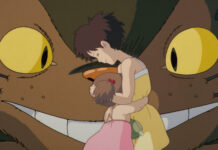
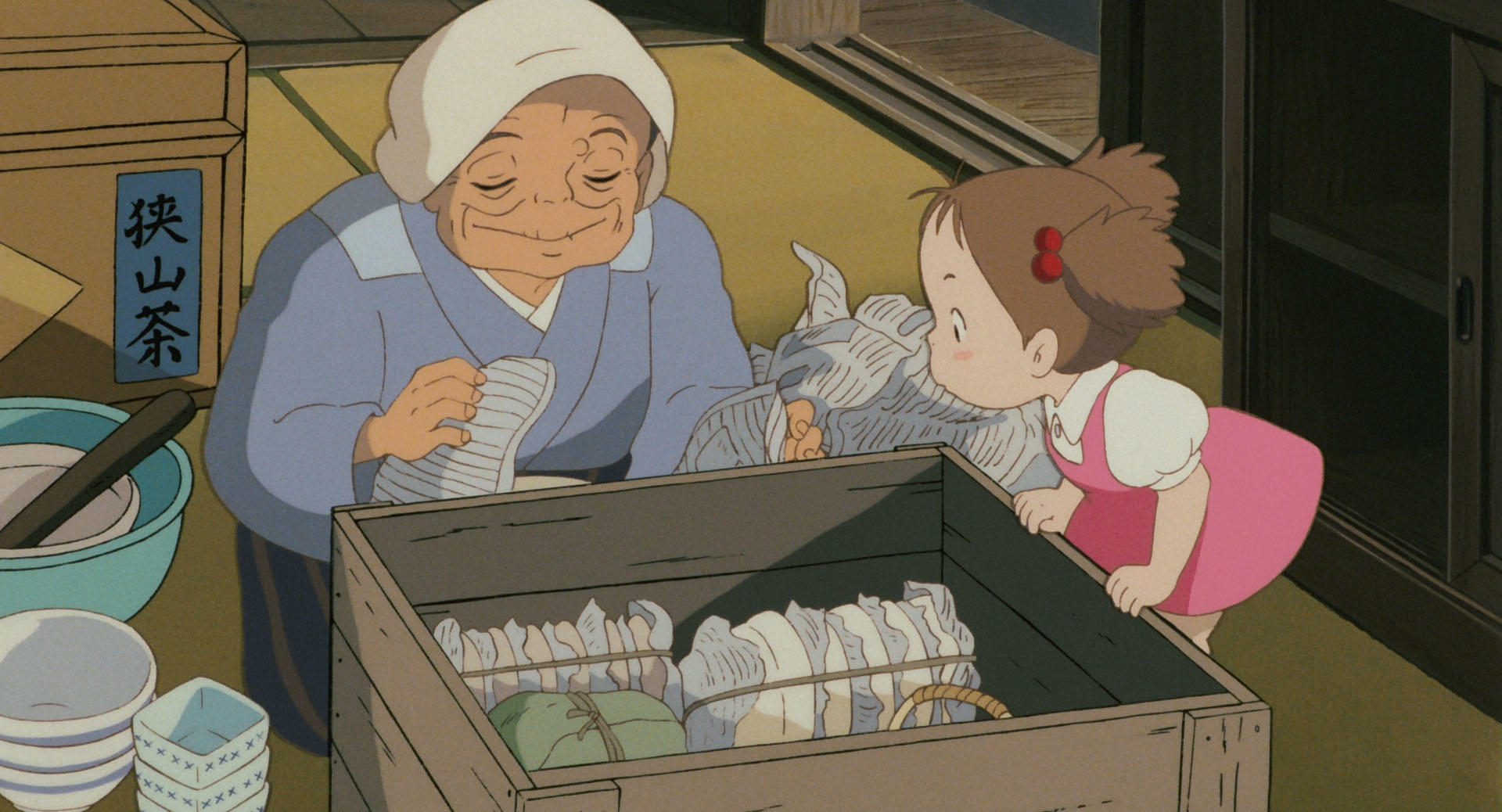
My Neighbor Totoro is often described as pure comfort, but part of its comfort comes from the worry underneath it. Satsuki and Mei are living close to illness, uncertainty, and the fear that adults cannot fully reassure them. The film never turns that fear into melodrama. Instead, it gives the girls nature, play, and imagination as ways to survive a frightening season.
This is why Totoro works so well as a healing film. It does not pretend childhood is always simple. It shows children finding wonder while still being scared. If you want more detail on the sisters, the site’s Satsuki and Mei character guide is a useful companion after watching.
3. Princess Mononoke
Princess Mononoke is not a cosy grief film. Its healing is harder and more adult. Characters carry rage, injury, exile, loyalty, and guilt. San’s pain is tied to identity and belonging, while Ashitaka’s journey is shaped by a curse that forces him to look directly at hatred without becoming consumed by it.
Watch this when you want a film that respects anger as part of grief. It is about damage that cannot be undone neatly, but it also argues for the possibility of living after damage. The ending matters because it does not erase the conflict. It leaves characters with the harder task of continuing.
4. The Tale of the Princess Kaguya
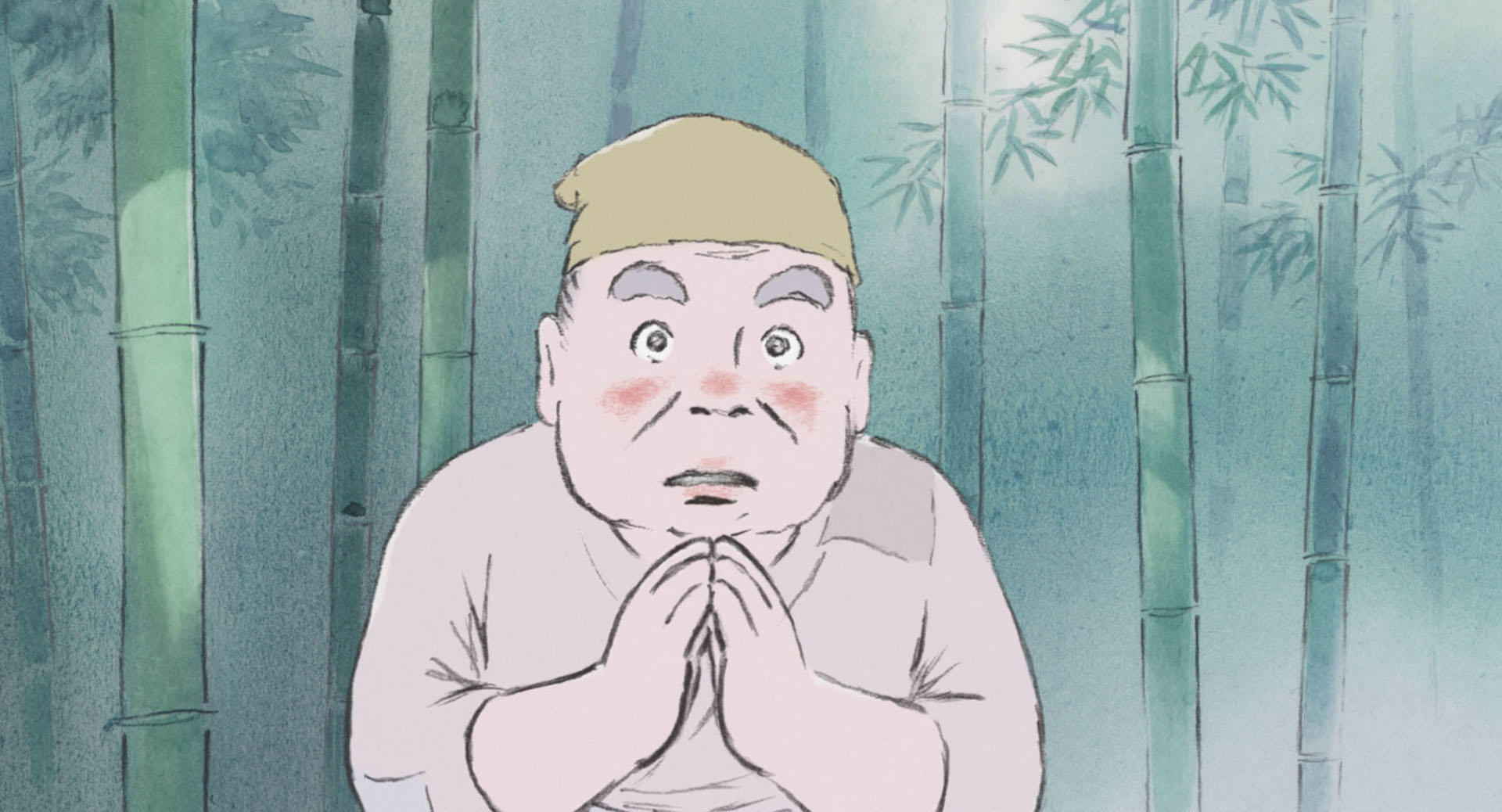
The Tale of the Princess Kaguya is one of Ghibli’s most devastating films because it treats beauty and loss as inseparable. The hand-drawn style feels fragile, almost like memory appearing and disappearing on paper. Kaguya’s story is about being loved, being controlled, wanting freedom, and realising too late how precious ordinary life was.
This is the best choice when you want a film about impermanence. It can hurt, but it is not empty sadness. It makes small earthly things feel enormous: grass, music, running, laughter, and the chance to choose your own life. For some viewers, that makes it the studio’s deepest meditation on grief.
5. Kiki’s Delivery Service
Kiki’s Delivery Service is lighter than the films above, yet it belongs here because burnout can feel like a kind of loss. Kiki loses confidence in herself and, with it, the easy magic that once made her feel useful. The film’s healing is practical: rest, friendship, work that means something, and permission not to be constantly impressive.
If you need a gentler entry point, Kiki is a safer choice than Princess Mononoke or Kaguya. It is also a strong follow-up to the site’s Studio Ghibli comfort movies guide.
How to choose the right film tonight
If you want to cry and feel understood, pick When Marnie Was There or The Tale of the Princess Kaguya. If you want comfort without being emotionally flattened, pick My Neighbor Totoro or Kiki’s Delivery Service. If your grief feels angry, complicated, or mixed with moral frustration, Princess Mononoke may meet you more honestly than the softer films.
For a wider route through the catalogue, use the beginner-friendly Studio Ghibli watch order and then branch into the emotional guides that match your mood.
FAQ
What is the saddest Studio Ghibli movie?
Grave of the Fireflies is usually considered the saddest Ghibli-associated film, but it is also much heavier than most comfort-watch recommendations. For emotional healing rather than devastation, When Marnie Was There and The Tale of the Princess Kaguya are better starting points for many viewers.
Which Studio Ghibli film is best after a difficult week?
Choose Kiki’s Delivery Service if you need reassurance, Totoro if you want gentle family warmth, and Marnie if you want a film that lets sadness surface without rushing it away.
Are these films suitable for children?
Totoro and Kiki are the easiest family choices. Marnie, Princess Mononoke, and Kaguya are better for older children, teens, or adults because their emotional weight and themes are more complex.
Image source note: Featured and inline images are official Studio Ghibli stills from ghibli.jp, where the work pages include the common-sense usage notice: “※画像は常識の範囲でご自由にお使いください。”