Quick answer: Studio Ghibli music feels emotional because it rarely tells you what to feel too aggressively. Joe Hisaishi’s most famous scores use simple melodic ideas, space, repetition, and sudden lifts of wonder so that the music seems to breathe with the animation rather than sit on top of it.
Why Ghibli music stays with people
Ask fans why Studio Ghibli movies feel different and the answer often includes music before they even mention plot. The melodies from Spirited Away, My Neighbor Totoro, Kiki’s Delivery Service, Princess Mononoke, and Howl’s Moving Castle do not just decorate scenes. They help create the feeling that viewers remember years later: a train moving through water, a child waiting in the rain, a witch flying over the sea, a castle walking across a field.
The key is restraint. Ghibli music can be grand, but it also knows when to leave room for footsteps, wind, insects, engines, or silence. That balance is one reason these films work for both children and adults. The score supports wonder without flattening the emotional ambiguity.
Joe Hisaishi and the Ghibli emotional shape
Joe Hisaishi is not the only musical presence across the wider Ghibli catalogue, but his collaborations with Hayao Miyazaki are central to the studio’s identity. His themes often begin with a clear, memorable motif. Then the arrangement changes around it: piano, strings, woodwinds, synth textures, choir-like warmth, or a wider orchestral swell. The melody can feel familiar even when the scene is changing dramatically.
That is useful storytelling. A viewer may not consciously track every theme, but the repetition creates emotional memory. When a musical idea returns, it brings earlier scenes with it. Ghibli films often care about growing up, loss, courage, home, and departure, so that musical memory becomes part of the story.
Spirited Away: music for fear, wonder, and loneliness
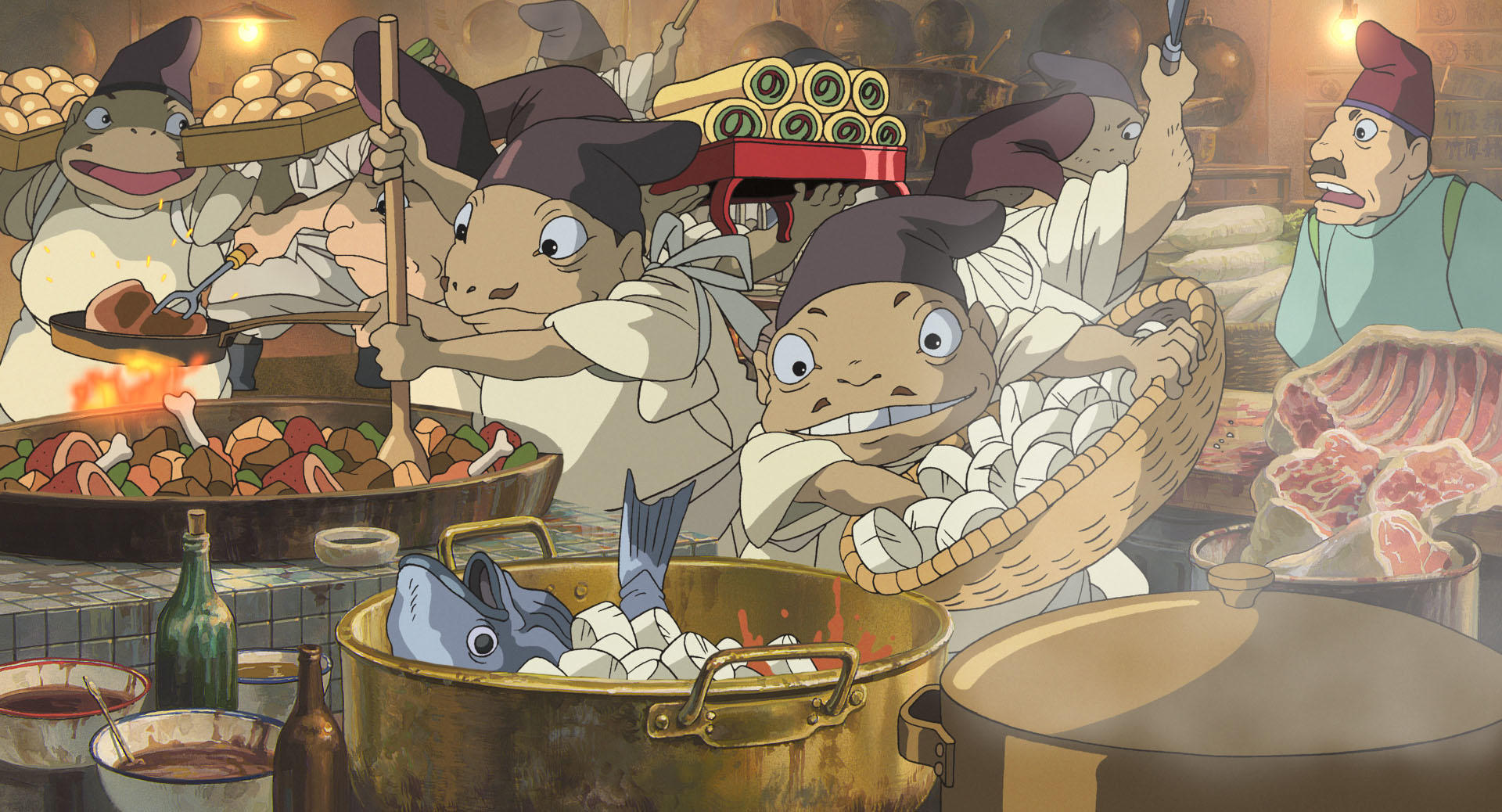
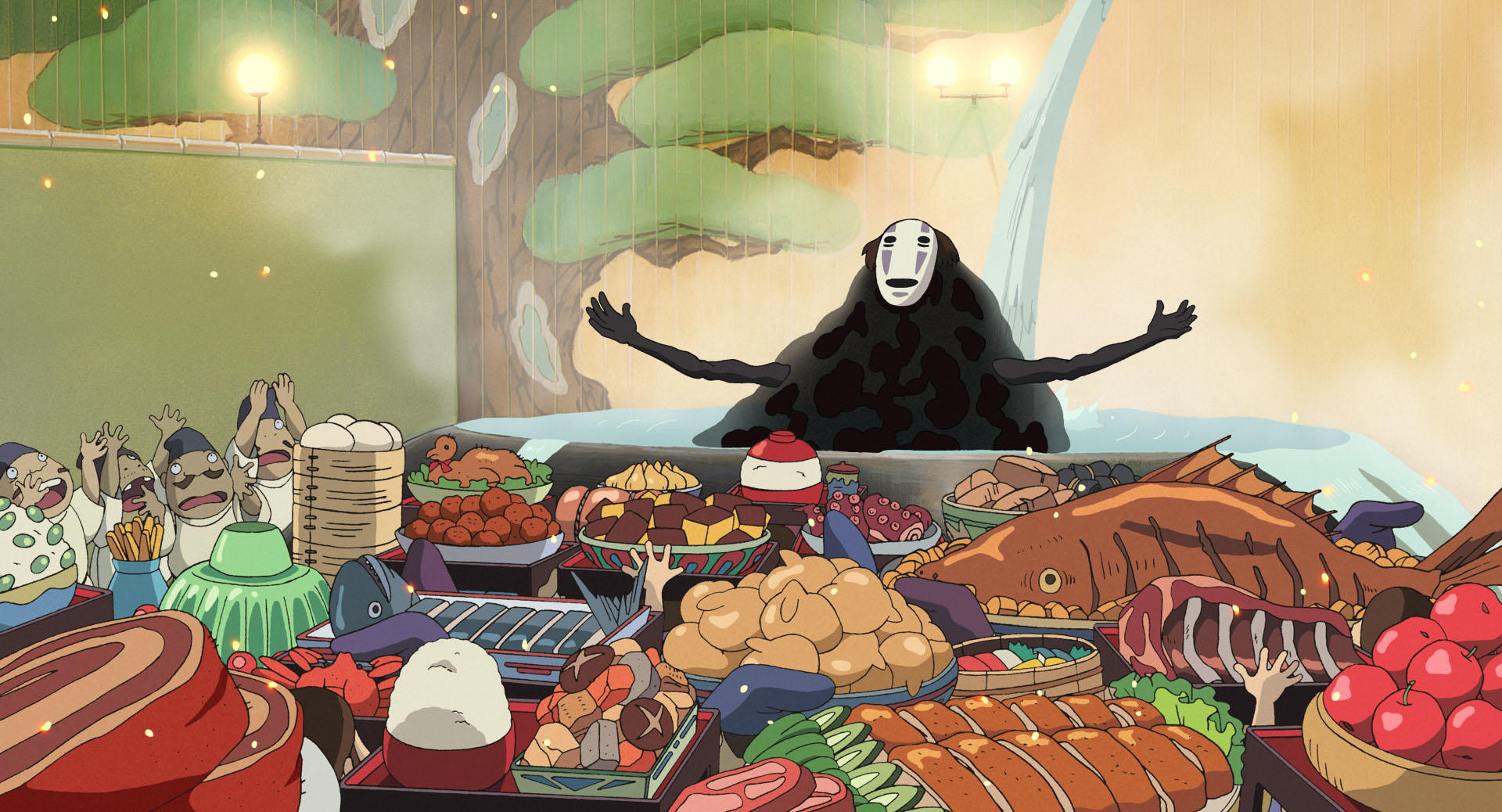
Spirited Away is one of the best examples of music that changes with a character’s inner state. Chihiro begins frightened and displaced. The world around her is huge, strange, and full of rules she does not understand. The score does not make every magical scene cosy. Sometimes it lets the bathhouse feel busy, greedy, or overwhelming.
That makes the gentler musical moments land harder. The famous watery train sequence is not powerful because it explains the plot. It is powerful because the music gives the scene permission to be sad, quiet, and unresolved. Ghibli trusts viewers to sit inside that feeling.
Totoro and the sound of childhood safety
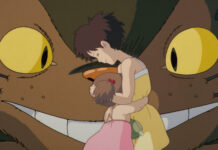
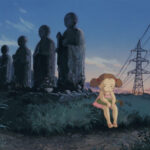
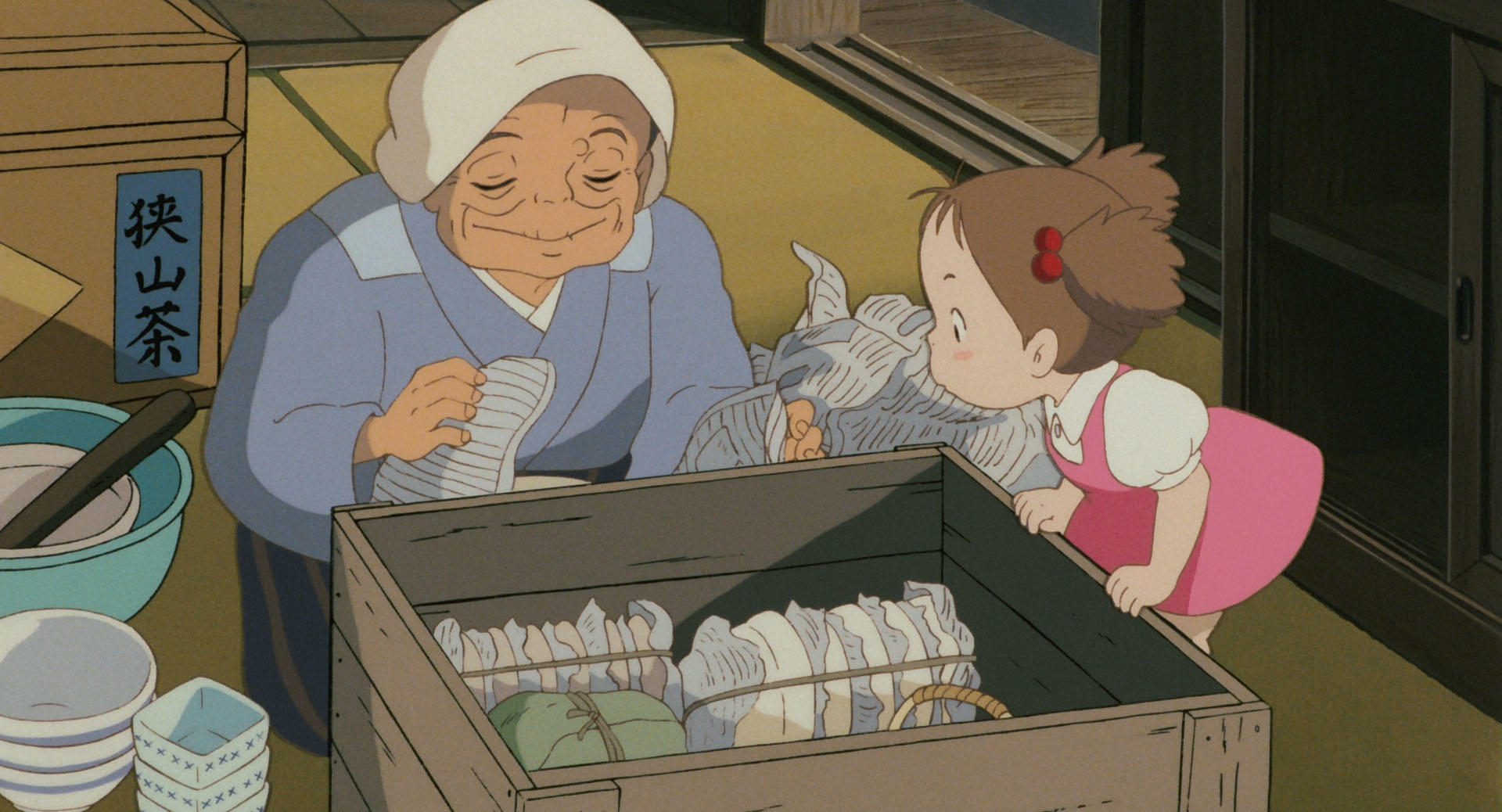
My Neighbor Totoro uses music differently. Its most memorable cues feel round, playful, and open. The film is not free from worry, but its musical world makes rural childhood feel protected by something larger than the adults can see. The result is comforting without becoming sugary.
This is why Totoro music works so well outside the movie too. It carries a clear emotional promise: curiosity, safety, movement, and a little strangeness. Even people who have not seen the film recently can recognise that feeling.
Howl’s Moving Castle and romantic motion
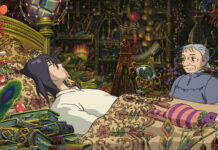
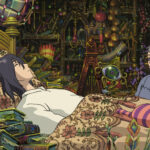
Howl’s Moving Castle has one of Ghibli’s most beloved musical identities because its waltz rhythm suggests elegance, instability, and longing all at once. The castle itself is clanking and absurd, but the music gives the story sweep. Sophie and Howl’s emotional world feels like it is always moving, turning, and trying to find balance.
That is a good example of music doing character work. The score does not simply say “this is romantic.” It gives the romance motion. It makes transformation feel graceful even when the characters are messy, vain, frightened, or unsure of themselves.
Silence is part of the score
One of Ghibli’s smartest habits is letting music stop. Quiet scenes are not empty. They make the next musical entrance matter more. A train, a broom, a kettle, rain on a roof, or distant birdsong can hold the viewer in place. This is part of why Ghibli films feel less frantic than many animated adventures.
If every scene were scored at full emotional volume, the films would lose their texture. Instead, the sound design and music cooperate. The viewer gets peaks, pauses, and small breaths. That shape is one reason Ghibli movies are so good for rewatches.
Best Studio Ghibli movies for music lovers
- Spirited Away: for mystery, sadness, wonder, and one of the studio’s most haunting quiet sequences.
- Howl’s Moving Castle: for sweeping romantic movement and instantly memorable orchestral themes.
- My Neighbor Totoro: for playful warmth and childhood comfort.
- Kiki’s Delivery Service: for breezy independence, flight, and the feeling of finding confidence.
- Princess Mononoke: for grandeur, grief, nature, conflict, and mythic scale.
FAQ
Who wrote the music for many Studio Ghibli films?
Joe Hisaishi composed many of the most famous Studio Ghibli scores, especially for Hayao Miyazaki’s films, including My Neighbor Totoro, Princess Mononoke, Spirited Away, and Howl’s Moving Castle.
Which Ghibli movie has the best soundtrack?
There is no single objective answer, but Spirited Away, Howl’s Moving Castle, Princess Mononoke, and My Neighbor Totoro are frequent fan favourites.
Why does Studio Ghibli music feel nostalgic?
The music often uses clear melodies, gentle repetition, and space. It can feel like a memory forming while the scene is still happening, which is why many themes stay with viewers long after the film ends.
Image source note: official Studio Ghibli stills from ghibli.jp, used in line with the studio’s common-sense image guidance.
How to hear the emotional pattern on a rewatch
A useful way to rewatch a Ghibli film is to listen for when the score steps back, not only when it swells. Hisaishi’s most emotional cues often work because they arrive after quieter passages of wind, footsteps, engines, water, or household noise. That contrast makes the melody feel earned. In My Neighbor Totoro, the music can feel like childhood opening into wonder. In Spirited Away, it often turns fear into movement. In Howl’s Moving Castle, the waltz quality gives the magic a feeling of longing rather than simple spectacle.
For readers building a first-watch path, this matters because music can change which film is best for the night. If you want reassurance, start with the gentler sound world of the cozy Ghibli picks. If you want a bigger emotional sweep, move toward the fantasy-adventure route and notice how flight, danger, and discovery get different musical shapes.
Best films for noticing Joe Hisaishi’s range
- My Neighbor Totoro: warm, simple themes that make the countryside feel alive.
- Spirited Away: aching piano lines and spacious cues that match Chihiro’s fear and courage.
- Princess Mononoke: broader, more solemn music that supports myth, violence, and grief.
- Howl’s Moving Castle: romantic waltz energy, movement, and melancholy in one of Hisaishi’s most recognisable themes.
- Kiki’s Delivery Service: lighter textures that fit independence, work, and a young person learning her own rhythm.
That range is why Hisaishi’s scores are not just background atmosphere. They help each film teach the viewer how to feel inside its world.