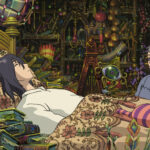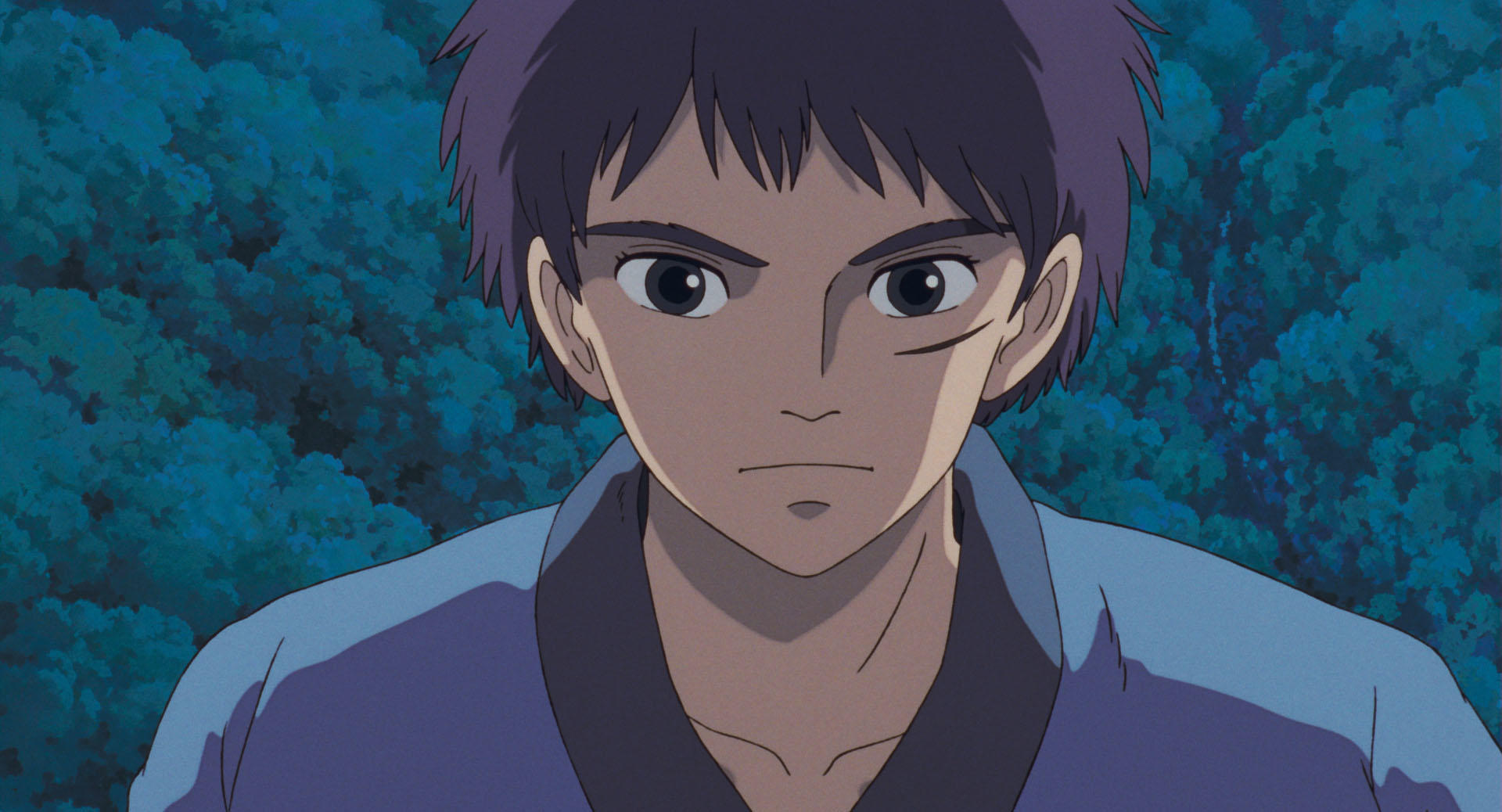
Quick answer: Studio Ghibli environmental themes work because they are rarely simple lectures. The films show forests, rivers, animals, machines, homes, food, work, and weather as connected systems. The message is not “humans bad, nature good.” It is closer to: if people forget they are part of the living world, everything becomes lonelier, uglier, and more dangerous.
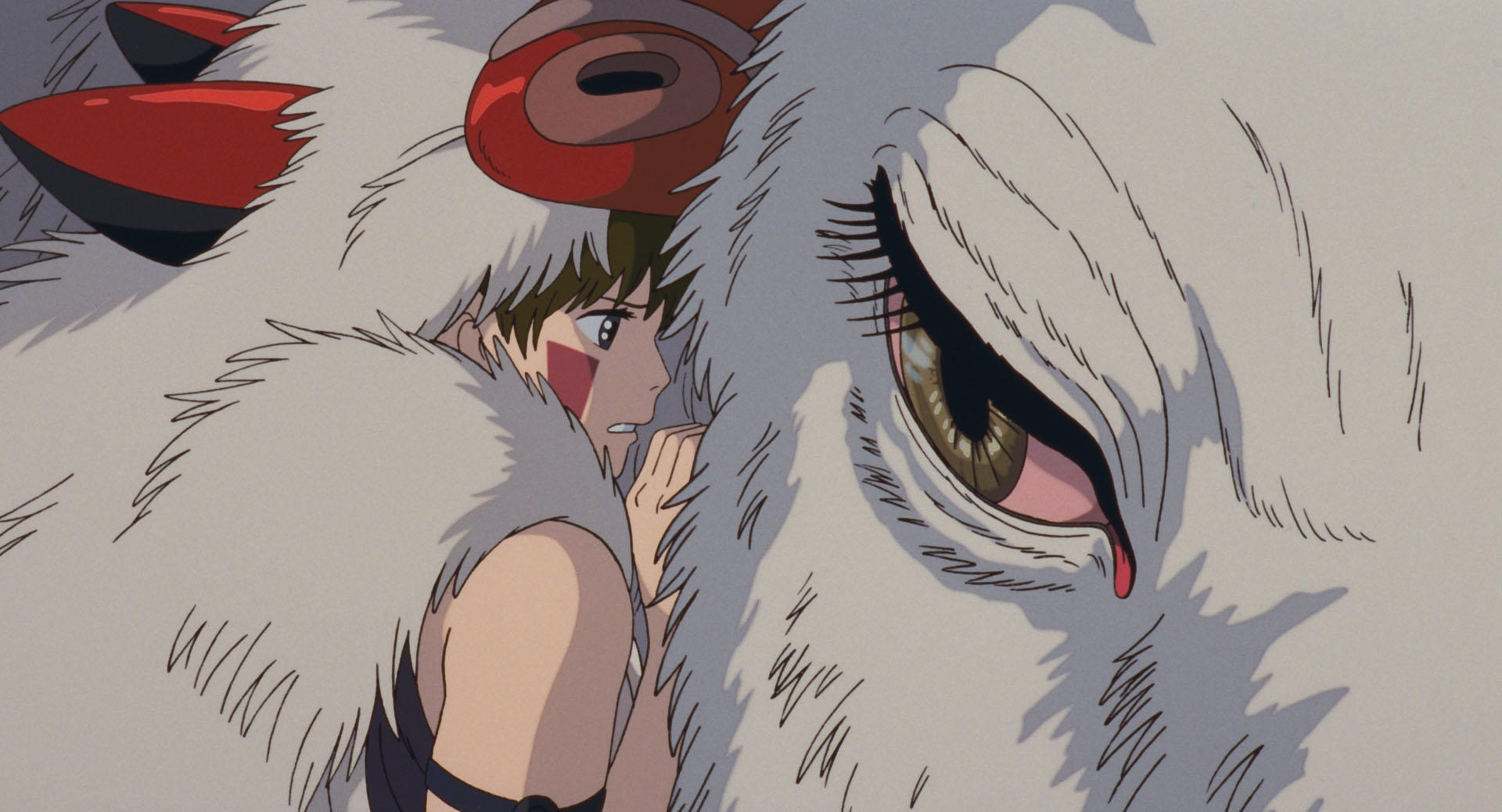
Why nature feels alive in Studio Ghibli movies
In many animated films, nature is a backdrop. In Studio Ghibli, it often behaves like a character. Trees breathe. Rivers remember. Wind changes the emotional temperature of a scene. A meadow, a storm, or a quiet patch of shade can tell you as much as a line of dialogue. That is why Ghibli’s environmental storytelling still feels unusually strong. It does not only ask whether a forest should be saved. It asks what kind of person you become when you can no longer feel that the forest matters.
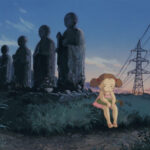
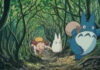
This is especially clear in Princess Mononoke, where the forest is sacred, frightening, wounded, and beautiful at the same time. It is also present in My Neighbor Totoro, where the natural world feels gentle and protective, and in Nausicaä-style Ghibli conversations about poison, survival, and ecological repair.
The films are not anti-human
A weaker environmental story would make people villains and nature innocent. Ghibli usually avoids that. Lady Eboshi destroys parts of the forest in Princess Mononoke, but she also shelters people who have been rejected by society. The villagers in Ponyo depend on the sea, but they also live with the consequences of pollution, weather, and fragile coastal life. Even when a film is angry about damage, it tends to ask what humans need, fear, and misunderstand.
That complexity matters for viewers. It stops the theme from becoming homework. Instead of giving you a slogan, Ghibli gives you a tension: people need warmth, homes, work, medicine, and safety, but they cannot take those things as if the world around them is empty. The emotional force comes from seeing both needs at once.
Forests, spirits, and memory
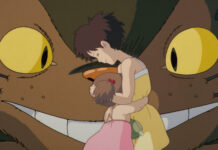
Ghibli forests often feel ancient because they hold memory. Kodama in Princess Mononoke are not treated as mascots. They are signs that the forest is alive in a way humans do not fully understand. Totoro is similar, though far softer. He is not there to explain the plot. He makes childhood feel connected to a larger, older world.
This is why Ghibli’s nature scenes are so rewatchable. A viewer can enjoy them as beautiful animation, but the scenes also carry a deeper feeling: the world has layers beyond human control. That feeling is powerful for adults because it cuts against modern speed. Ghibli slows the viewer down long enough to notice leaves, insects, water, clouds, dust, and silence.
Pollution is physical and spiritual
In Ghibli films, pollution is not only dirty water or broken land. It is also a loss of attention. The stink spirit scene in Spirited Away works because the problem is both literal and symbolic. A polluted river spirit enters the bathhouse as something disgusting, heavy, and almost impossible to recognise. When the junk is pulled out, the scene becomes comic, gross, and strangely moving. The river has not simply been cleaned. It has been remembered.
That is one of Ghibli’s most useful environmental ideas: repair begins when people correctly see what they have damaged. The same logic runs through the best Ghibli movies about nature. They are not satisfied with pretty scenery. They want the viewer to notice what has been buried, ignored, or treated as disposable.
Why Princess Mononoke is the centre of the theme
If you only watch one Ghibli film for environmental themes, choose Princess Mononoke. It has the clearest clash between industry, survival, animal gods, hatred, and ecological cost. It is not the gentlest film, so families may want to check age guidance first, but it is the most complete expression of Ghibli’s environmental imagination.
Ashitaka’s role is important because he is not there to “win” the argument. He watches, listens, intervenes, and tries to see without hatred. That phrase can sound simple, but in the movie it is a demanding moral discipline. The forest is not a decoration. Iron Town is not a cartoon evil. San is not a symbolic forest princess who exists only to teach humans a lesson. Everyone has a wound. Everyone is tied to the land.
Best Ghibli films to watch for environmental themes
- Princess Mononoke: the essential nature, industry, and coexistence film.
- My Neighbor Totoro: a gentle view of childhood, rural life, and forest mystery.
- Spirited Away: pollution, consumption, rivers, names, and spiritual memory.
- Ponyo: ocean magic, family, climate-like disruption, and coastal life.
- Nausicaä of the Valley of the Wind: ecological collapse, fear, and the possibility of understanding a poisoned world.
FAQ
Are Studio Ghibli movies environmentalist?
Many are, but not in a flat slogan-driven way. Ghibli usually frames environmental damage as a human, spiritual, and emotional problem, not just a political talking point.
Which Studio Ghibli movie has the strongest nature message?
Princess Mononoke has the strongest and most complex nature message. My Neighbor Totoro is gentler, while Spirited Away uses pollution and river imagery in a more symbolic way.
Is Princess Mononoke suitable for kids?
It is more intense than many Ghibli films, with violence and frightening imagery. For younger viewers, Totoro or Ponyo are usually easier starting points.
Image source note: official Studio Ghibli stills from ghibli.jp, used in line with the studio’s common-sense image guidance.
How to watch the environmental theme without flattening it
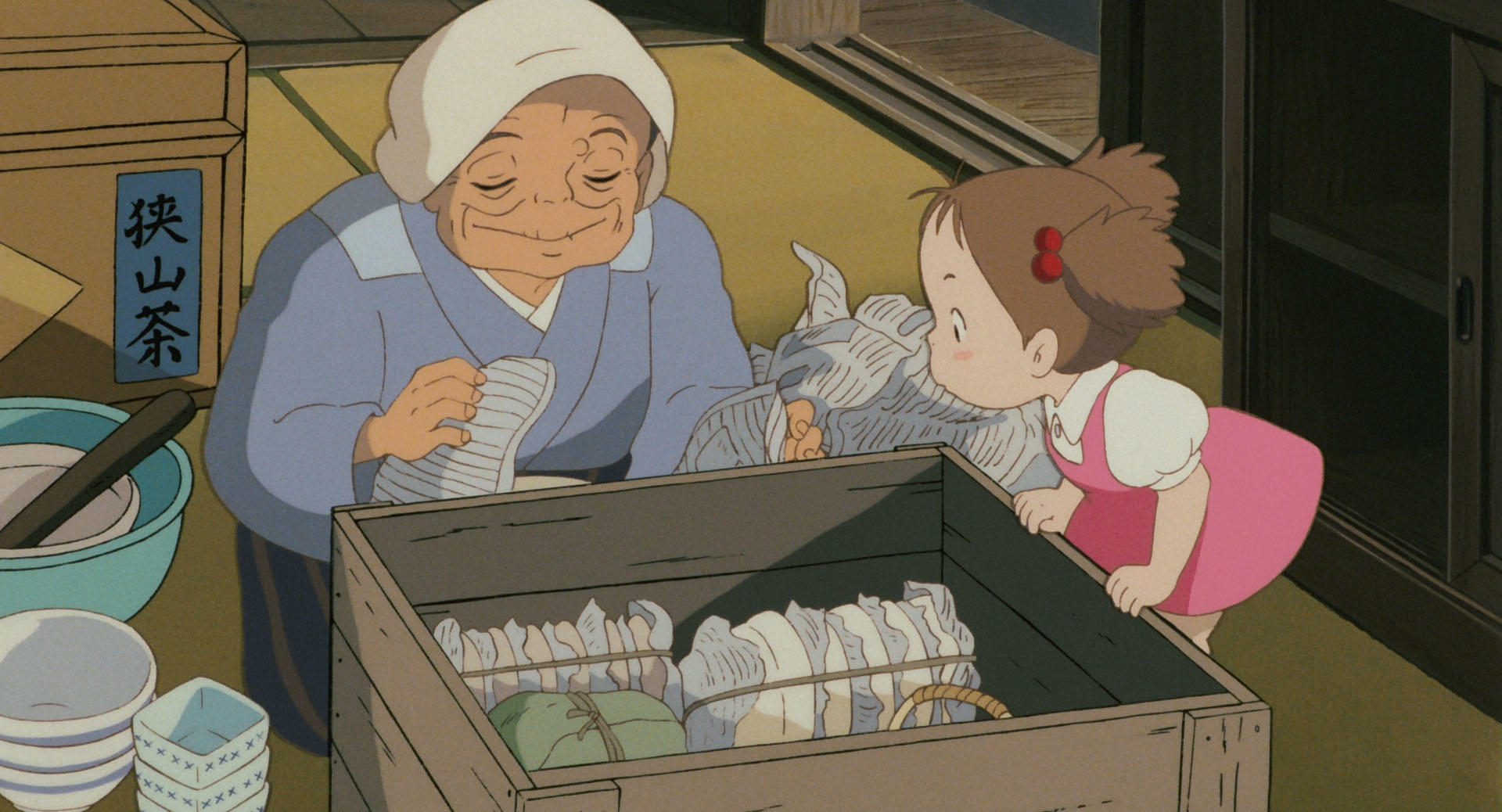
The easiest mistake is to describe Studio Ghibli’s environmental stories as simple anti-human fables. They are usually more interesting than that. Princess Mononoke does not pretend the forest can be protected by ignoring human survival, labour, illness, or community. Nausicaä of the Valley of the Wind does not treat nature as soft and harmless. Even gentler films such as My Neighbor Totoro connect wonder to everyday care, patience, and respect for a place.
That tension is what makes the theme last. Ghibli often asks viewers to sit inside conflict rather than cheering for a neat victory. Forests are alive, but people still need homes. Industry can be destructive, but work can also protect vulnerable people. Pollution is frightening, but healing is possible when characters stop treating the world as disposable.
Best follow-up watches for this theme
- Princess Mononoke, for the richest conflict between forest gods, industry, violence, and mercy.
- Nausicaä of the Valley of the Wind, for ecological fear, toxic landscapes, and compassion under pressure.
- Pom Poko, for a stranger and more comic look at habitat loss and urban expansion.
- My Neighbor Totoro, for a quieter vision of childhood, rural rhythm, and respect for living places.
- Ponyo, for ocean imagery, imbalance, and a more fairy-tale version of environmental disruption.
For a broader route through the catalogue, pair this guide with the Studio Ghibli movies about nature guide and the Princess Mononoke themes explainer. If you are new to the studio, the beginner-friendly watch order will help you decide where to start.
FAQ: Studio Ghibli and nature
Is Studio Ghibli anti-technology?
Not exactly. Many Ghibli films are suspicious of greed, extraction, weapons, and careless industrial power, but they are not simply anti-machine. Flying machines, trains, workshops, bathhouses, bakeries, and homes can all be beautiful when they serve life rather than domination.
Which Ghibli film has the strongest environmental message?
Princess Mononoke is the strongest single choice for most viewers because it refuses an easy answer. Nausicaä is just as important if you want a bigger ecological myth about fear, contamination, and learning to understand a damaged world.