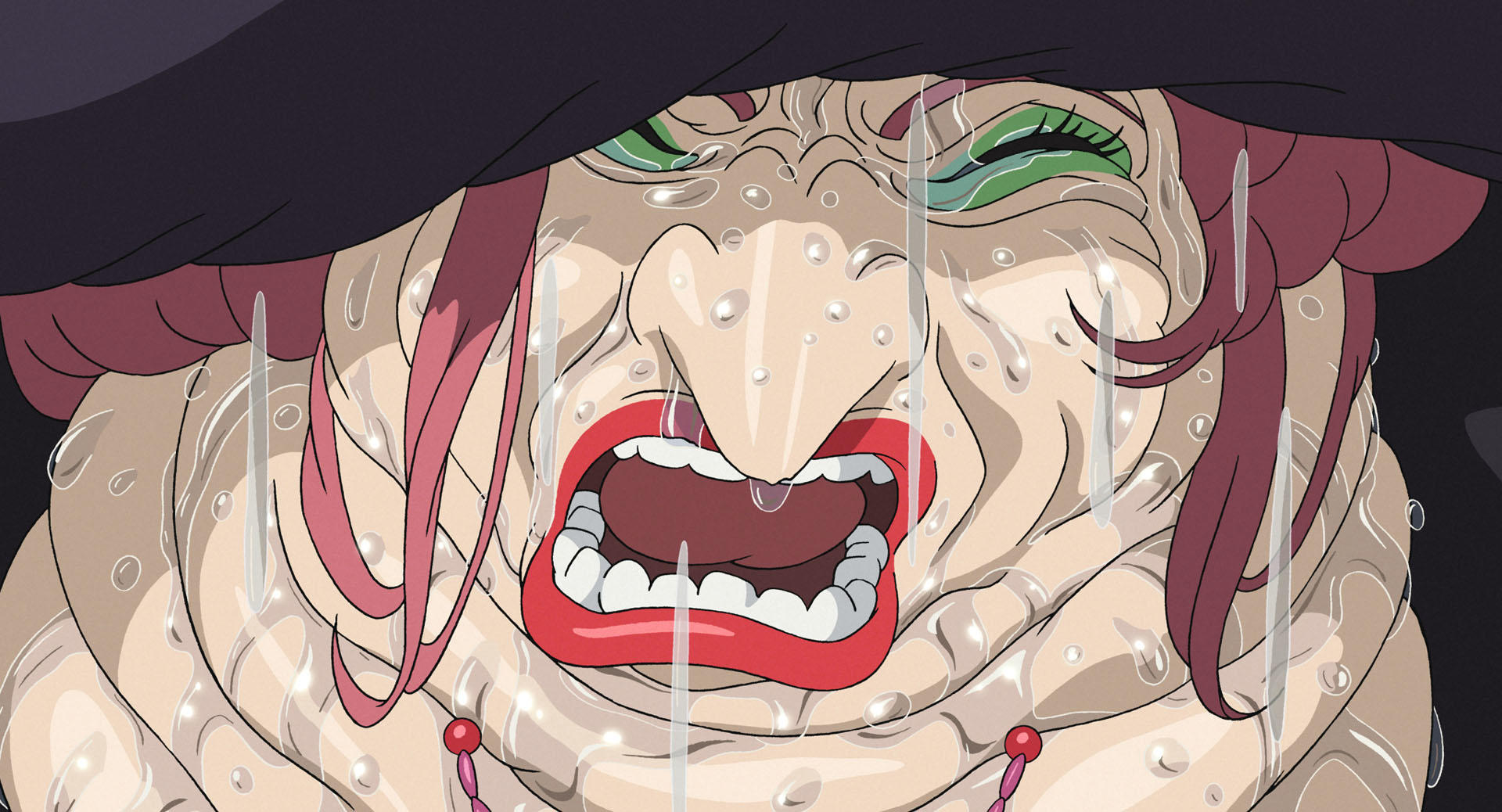
Quick answer: the best Studio Ghibli movies for dog lovers are Howl’s Moving Castle for Heen’s waddling spy-dog comedy, Princess Mononoke for Moro and the wolf clan’s fierce loyalty, The Secret World of Arrietty for gentle household-animal atmosphere, and My Neighbor Totoro if you want a softer animal-loving double feature even though it is more cat-and-forest-spirit than dog-focused.
Studio Ghibli does not have as many famous dogs as it has cats, spirits or birds, but the studio uses dog-like characters beautifully when they appear. Dogs and wolves often bring out questions of trust, protection, domestication, wildness and comic loyalty. This guide is for viewers who want animal warmth without pretending every Ghibli creature fits the same cozy pet category.
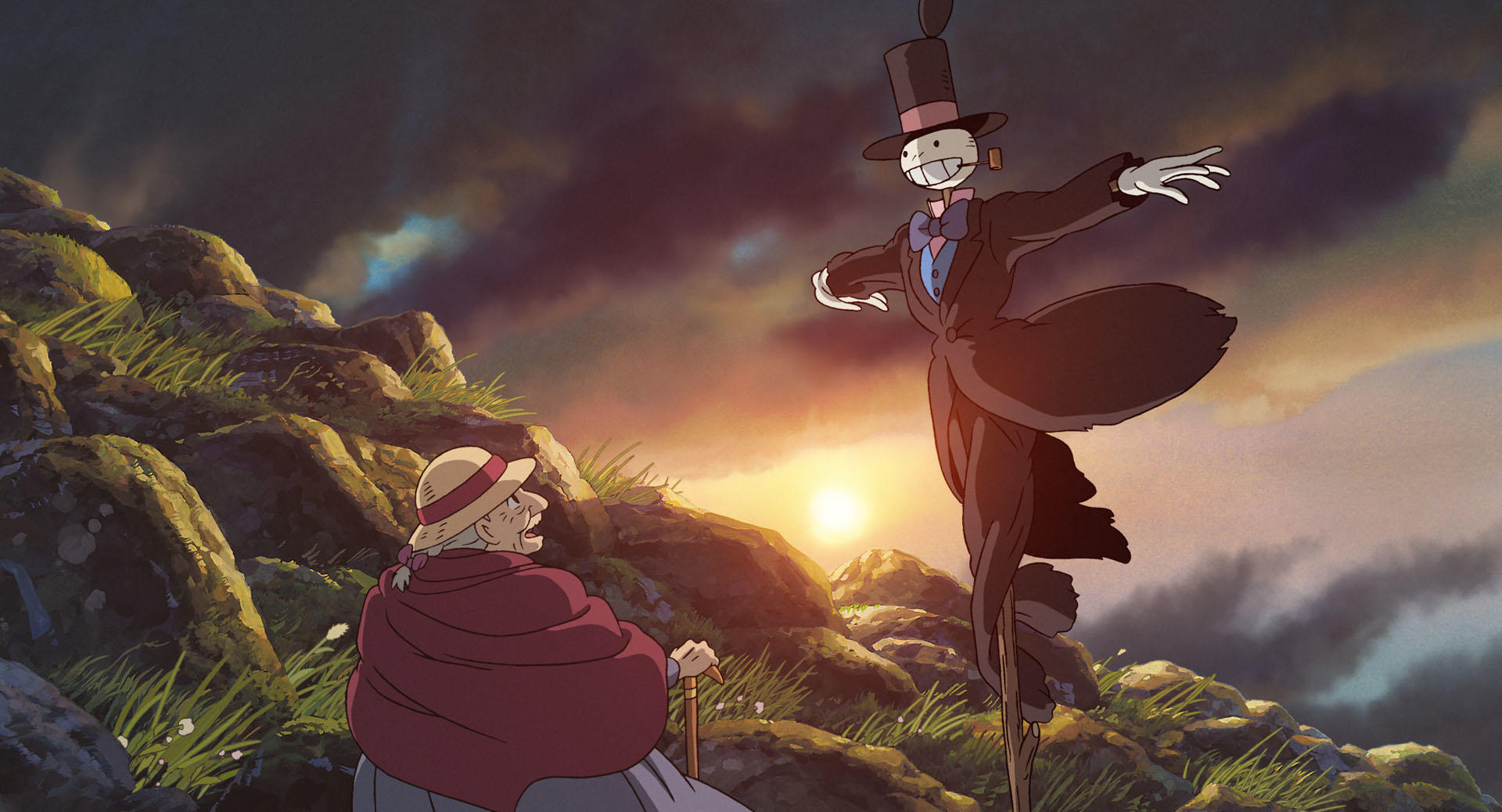
Quick ranking for dog lovers
| Pick | Best for | Dog-lover angle |
| Howl’s Moving Castle | Comic companion energy | Heen is small, wheezy, loyal, ridiculous and more useful than he first looks. |
| Princess Mononoke | Wolf mythology and fierce bonds | Moro and her clan are not pets, but they are unforgettable canid characters. |
| The Secret World of Arrietty | Quiet house-and-garden animal atmosphere | Good for viewers who like gentle creature detail more than action. |
| My Neighbor Totoro | Soft animal-loving comfort | Not dog-led, but ideal if the real goal is warm creature companionship. |
1. Howl’s Moving Castle: Heen steals scenes without trying
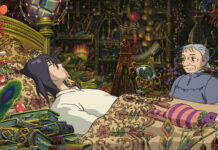
Howl’s Moving Castle is the easiest recommendation for dog lovers because of Heen, Madame Suliman’s small, elderly-looking dog. Heen does not behave like a sleek fantasy familiar. He wheezes, waddles, looks permanently tired and often seems to understand more than he is willing to explain. That makes him funny in a very Ghibli way: the film treats him as both comic relief and a genuinely useful companion.
Heen’s best quality is that he changes the temperature of scenes. Howl’s Moving Castle can be romantic, strange and politically heavy, but Heen makes parts of the story feel physical and domestic. He has weight. He has effort. He looks like every staircase is a negotiation. For viewers who love older dogs, anxious dogs or dogs with huge personalities in small bodies, Heen is a tiny delight.
He also matters because he is not simply decorative. Ghibli animal companions often sit between worlds: they watch humans, react to danger and quietly expose character. Heen’s loyalty is understated, but it makes Sophie’s journey feel less lonely. He is a good reminder that a supporting animal does not need many lines to become memorable.
2. Princess Mononoke: Moro and the wolf clan are not pets
Princess Mononoke is the stronger pick for viewers interested in wolves, loyalty and wild canid power. Moro, the great wolf goddess, is not a dog and should not be softened into one. She is a mother, a warrior, a forest power and one of the film’s clearest voices of anger. But for dog and wolf lovers, her scenes carry the force of animal intelligence and protective devotion.
The important distinction is respect. Princess Mononoke does not treat the wolves as cute companions for humans. San is raised by Moro, but the bond is not pet-and-owner. It is family, allegiance and shared rage at what humans have done to the forest. That makes the film a powerful choice for viewers who want animal stories with real bite rather than cozy mascot energy.
If Heen represents comic loyalty, Moro represents fierce loyalty. She is protective without being gentle, loving without being domesticated, and honest in a way many human characters are not. Viewers who love stories about wolves, packs and animal guardians will probably find her one of Ghibli’s most unforgettable presences.
3. The Secret World of Arrietty: small creatures, big household world
The Secret World of Arrietty is not a dog movie, but it belongs on this list because animal lovers often respond to its scale. The film makes a house, garden and hidden corners feel enormous. It pays attention to movement, rustling, risk and the way ordinary domestic space becomes a living environment when seen from a tiny perspective.
That makes it a good choice for viewers who enjoy the creature-observation side of animal stories. It is quieter than Princess Mononoke and less comic than Howl’s Moving Castle, but it shares Ghibli’s talent for making non-human presence feel important. The emotional appeal is not “look at this cute pet.” It is “look how many lives are happening around us while we are too large and distracted to notice.”
4. My Neighbor Totoro: creature comfort even without dogs
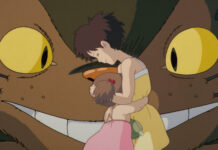
My Neighbor Totoro is included with a caveat: it is not a dog-lover film in the literal sense. Its most famous creature is Totoro, and its funniest animal-like companion is Catbus. Still, many dog lovers are really looking for warmth, trust, creature companionship and a world where non-human beings feel emotionally present. On that level, Totoro fits beautifully.
The film understands the comfort of being accompanied. Totoro does not talk like a pet, but his presence reassures the children and the audience. Catbus is absurd rather than cuddly, yet still becomes a helper when help is needed. If your dog-lover watch mood is less “I need a dog on screen” and more “I want a gentle animal-spirit comfort film,” this is one of the best Ghibli choices.
Why Ghibli animal companions feel different
Many animated films use animals as sidekicks who exist mainly for jokes. Studio Ghibli is more varied. Some animals are funny, some are sacred, some are frightening, some are helpers and some resist human control completely. That range is why a dog-lover guide has to include both Heen and Moro while treating them very differently.
Heen is funny because he feels recognizably dog-like: loyal, tired, stubborn and oddly dignified. Moro is compelling because she refuses pet logic entirely. She represents a wild intelligence that humans cannot own. Put together, they show two sides of Ghibli’s animal storytelling: affection and awe.
What to watch first
If you want the most direct dog-lover pick, start with Howl’s Moving Castle. Heen is memorable, the film is widely loved, and the mix of romance, magic and creature comedy makes it an easy recommendation. If you want wolves, myth and a more intense story, go to Princess Mononoke next. For a softer follow-up, choose My Neighbor Totoro or The Secret World of Arrietty.
You can also pair this guide with the broader Studio Ghibli animal companions guide if you want cats, dragons, forest spirits and other creatures too. Dog lovers may come for Heen, but Ghibli’s wider animal world is much stranger and richer than one species.
FAQ
Does Studio Ghibli have a famous dog character?
Heen from Howl’s Moving Castle is the clearest famous dog character. He is small, comic and surprisingly loyal, even though he begins as part of Madame Suliman’s world rather than Howl’s household.
Are the wolves in Princess Mononoke dogs?
No. Moro and the wolf clan are wolves and should be understood as wild, sacred and politically important characters, not pets. They are included here because many dog lovers are also drawn to wolf stories and canid mythology.
Which Ghibli movie is best for animal lovers generally?
My Neighbor Totoro, Princess Mononoke, Howl’s Moving Castle, Ponyo and The Cat Returns are all strong animal-lover picks, depending on whether you want comfort, wildness, comedy or fantasy.
Is Howl’s Moving Castle suitable for a cozy dog-lover movie night?
Mostly, yes, though it has war imagery and some intense magical scenes. For adults and older children, Heen adds exactly the kind of funny companion energy that makes the film feel warmer.
Image credit: Official stills from the Howl’s Moving Castle page on ghibli.jp, used under Studio Ghibli’s common-sense image-use notice. This article is an independent fan guide and is not affiliated with Studio Ghibli.