Quick answer: the central characters in The Boy and the Heron are Mahito Maki, a grieving boy who enters another world; Himi, a young woman with fire powers and a hidden connection to his family; Natsuko, Mahito’s pregnant stepmother; Kiriko, a fearless guardian and fisherwoman; and the Grey Heron, an unreliable guide who shifts between enemy and ally. Around them, the Granduncle, Lady Himi, the Parakeet King, the pelicans and the Warawara turn Mahito’s private grief into a larger story about family, creation and accepting an imperfect world.
Spoiler warning: this guide explains the characters’ identities and relationships, including the film’s final revelations. If you only need a spoiler-light overview, start with our The Boy and the Heron movie guide.
The main characters at a glance
- Mahito Maki: a boy mourning his mother after moving from wartime Tokyo to the countryside.
- Himi: a young woman who controls fire and is eventually revealed as Mahito’s mother, Hisako, at an earlier point in her life.
- Natsuko: Hisako’s younger sister, Mahito’s new stepmother and the expectant mother of his half-sibling.
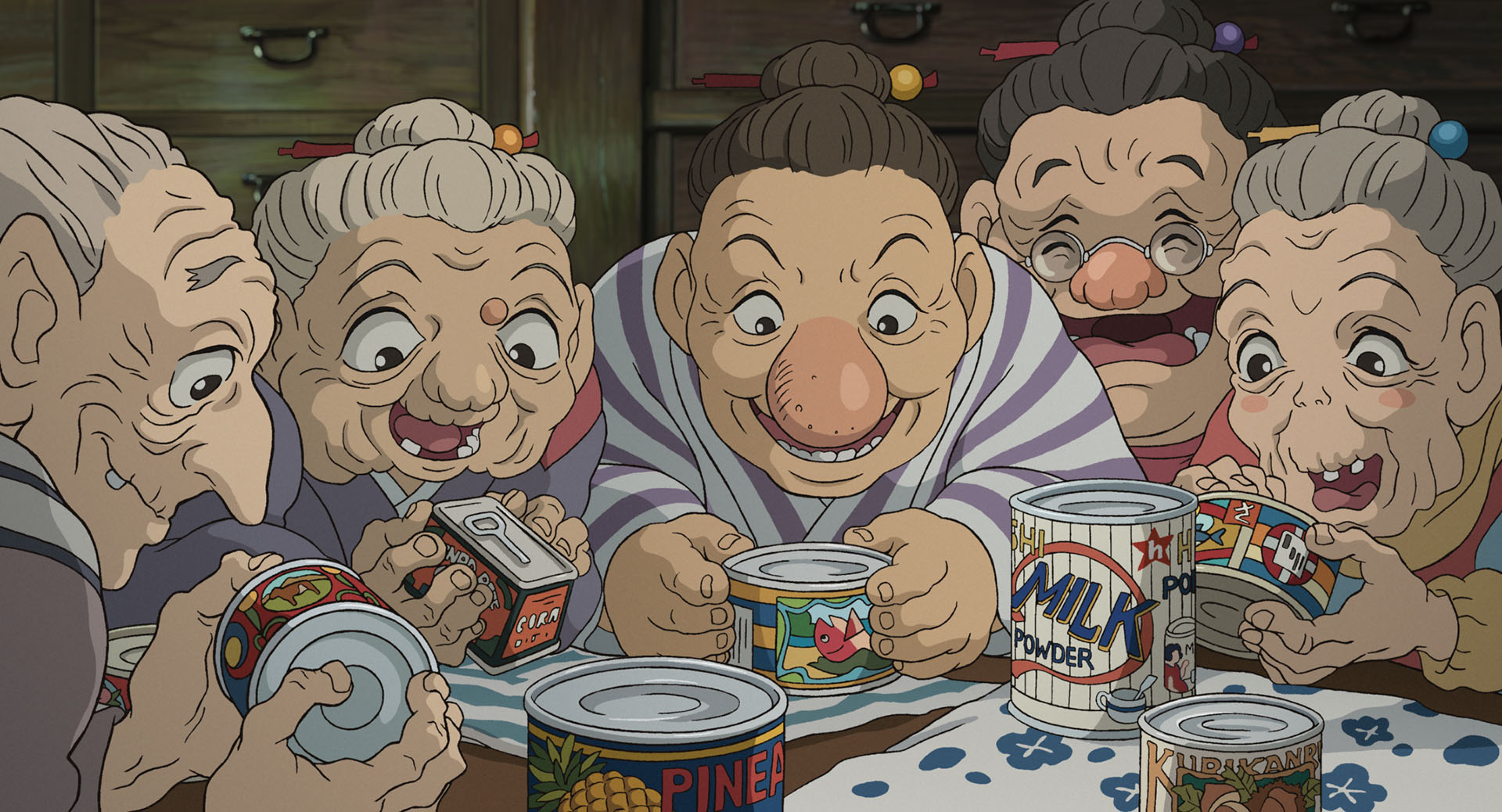
- Kiriko: an elderly maid in Mahito’s world and a strong fisherwoman in the tower’s world.
- The Grey Heron: a magical bird inhabited or operated by a strange heron-man, first a tormentor and later Mahito’s guide.
- The Granduncle: the builder of the tower and keeper of the fragile other world.
- The Parakeet King: the forceful ruler of the giant parakeets, impatient with the Granduncle’s delicate system.
Mahito Maki: grief, anger and the choice to return
Mahito begins the film emotionally sealed off. His mother Hisako has died in a hospital fire, his father Shoichi has married Hisako’s younger sister Natsuko, and the family has moved to an unfamiliar estate. He behaves politely, but that politeness hides anger and disorientation. Even his self-inflicted head injury shows how pain has become something he cannot communicate directly.
That is why Mahito rejects the Granduncle’s offer. He recognises malice in himself and refuses to pretend he could build a flawless reality. Returning home means choosing a damaged but shared life over a private world arranged to remove uncertainty.
Himi and Hisako: is Himi really Mahito’s mother?
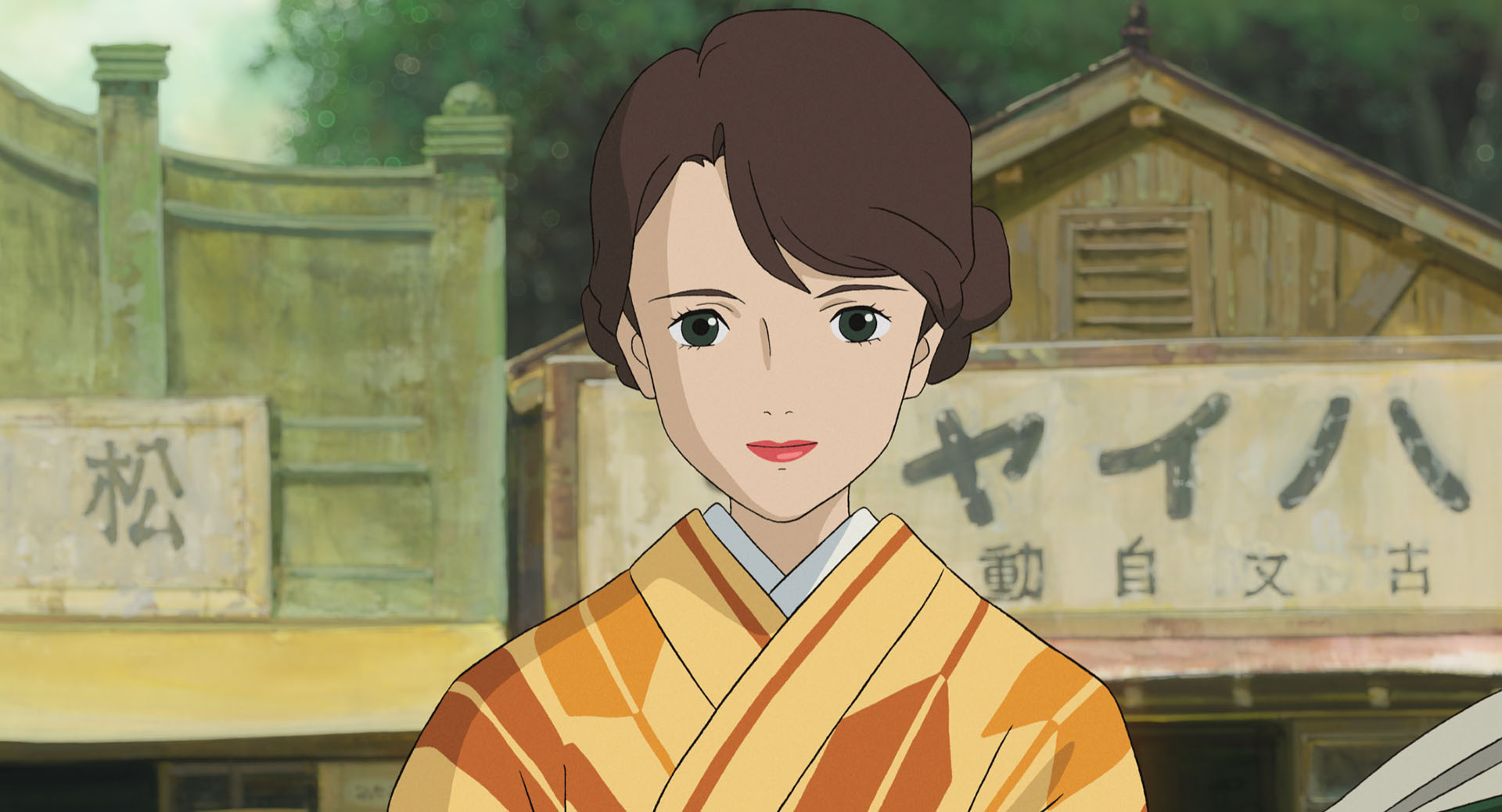
Yes. Himi is Hisako when she was young, living within the tower’s world during the period when she disappeared for a year as a child. Mahito meets her before she has grown up, married and given birth to him. The film uses the tower’s unusual relationship with time to let mother and son know one another as near equals.
When Himi chooses her own doorway at the end, she knows it leads toward her future and eventual death in the hospital fire. Mahito wants to warn her, but she accepts that future because it also contains becoming his mother. Her choice does not make the tragedy less painful. It tells Mahito that her life cannot be reduced to the way it ended.
Natsuko: stepmother, aunt and a person with her own fear
Natsuko is both Mahito’s aunt and his new stepmother. She resembles Hisako, but the film does not treat her as a simple substitute. She is pregnant, adjusting to a changed family and living under the pressure of welcoming a boy who associates her with both his mother and his father’s rapid remarriage.
Rescuing Natsuko also changes Mahito’s motivation. He enters the tower partly because the Heron uses his longing for Hisako against him. He continues because he accepts responsibility toward the living family member in front of him.
Kiriko: why are there two versions of her?
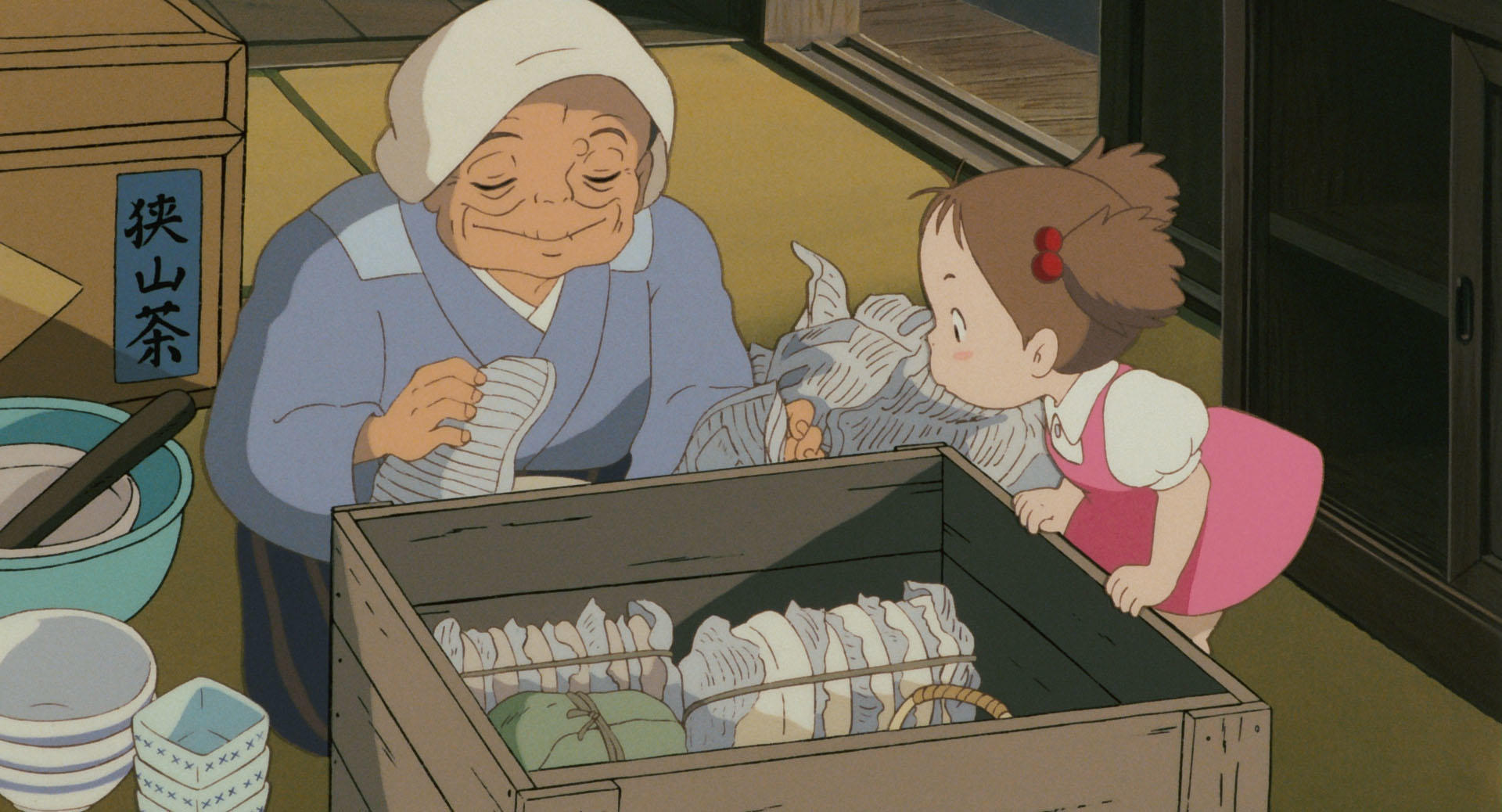
In the ordinary world, Kiriko is one of the elderly maids who care for the estate. She follows Mahito into the tower and later returns as an old woman. Inside the other world, however, Mahito meets a younger Kiriko who is a capable fisher, sailor and protector of the Warawara.
The film does not provide a technical rule explaining every difference between these versions. Kiriko may be an earlier self, another expression of the same person or the form that belongs to the tower’s world. Her role is clearer than the mechanism: she keeps Mahito alive, teaches him practical work and shows that care can be direct, unsentimental and physical.
The Grey Heron: villain, guide or trickster?
The Grey Heron is all three at different points. It harasses Mahito, claims that Hisako is alive and lures him toward the sealed tower. Its bird body eventually reveals a small, sharp-toothed humanoid figure inside. The film never reduces that figure to a realistic species or gives him a conventional history.
The Heron is therefore not a trustworthy mentor. He is a threshold character, able to move between ordinary life and the tower’s world. His value lies less in giving correct answers than in making Mahito confront what he would rather avoid.
The Granduncle and the building blocks
The Granduncle discovered the mysterious stone, built the tower around it and became responsible for maintaining the other world. Each day he arranges a set of balanced blocks to keep that reality stable. The task makes him look powerful, but it also shows how limited his control is. A whole world rests on a structure that must be remade again and again.
The Parakeet King and the giant parakeets
The giant parakeets are comic, threatening and politically organised. They have built a crowded society in the other world, and they are willing to eat human intruders. Their king appears dignified and military, but he has little patience for the Granduncle’s careful balance.
The pelicans and the Warawara
The Warawara are small spirits preparing to rise into Mahito’s world and be born as humans. Their vulnerability makes them a clear symbol of new life, especially beside Natsuko’s pregnancy. Kiriko feeds them, and Himi protects their ascent.
How the character relationships fit together
The film’s family tree is deliberately strange but not random. Hisako and Natsuko are sisters. Hisako becomes Mahito’s mother; after her death, Natsuko marries Shoichi and becomes Mahito’s stepmother while carrying his half-sibling. Himi is young Hisako, encountered outside normal chronology. The Granduncle belongs to the maternal family line and seeks an heir from that bloodline.
These overlaps turn Mahito’s problem into more than choosing between a dead mother and a living stepmother. He learns that love for Hisako does not require rejecting Natsuko, and accepting Natsuko does not erase Hisako. The tower lets several ages and versions of a family meet, but the ending sends each person back through the door that belongs to their own life.
Final character meaning
Every major character offers Mahito a different response to an imperfect world. Himi accepts a life that includes loss. Natsuko demands recognition as a real person, not a replacement. Kiriko works to sustain life. The Heron uses deception to cross boundaries. The Granduncle tries to control creation, while the Parakeet King tries to seize it by force.
Mahito’s final decision is to return with these contradictions unresolved. That is the point. Growing up does not mean finding a world without malice, grief or difficult relatives. It means choosing relationships and responsibility despite them.
For more on Mahito’s individual journey, read our Mahito character guide. You can also browse the complete Studio Ghibli movie directory.
FAQ
Is Himi Mahito’s mother?
Yes. Himi is Mahito’s mother Hisako when she was young, encountered during the year she once disappeared into the tower’s world.
Is Natsuko Mahito’s aunt or stepmother?
She is both. Natsuko is Hisako’s younger sister and later marries Mahito’s father, making her his stepmother as well as his aunt.
Is the Grey Heron evil?
Not in a simple sense. He lies, threatens and manipulates Mahito, but he also guides and helps him. He functions as a magical trickster rather than a conventional villain.
Who is the main villain in The Boy and the Heron?
The film has no single conventional villain. The Parakeet King creates the final collapse, but the deeper conflict comes from grief and the impossible desire to build a perfect world.
Image credit: Official stills from the The Boy and the Heron page on ghibli.jp, used under Studio Ghibli’s common-sense image-use notice. This article is an independent fan guide and is not affiliated with Studio Ghibli.