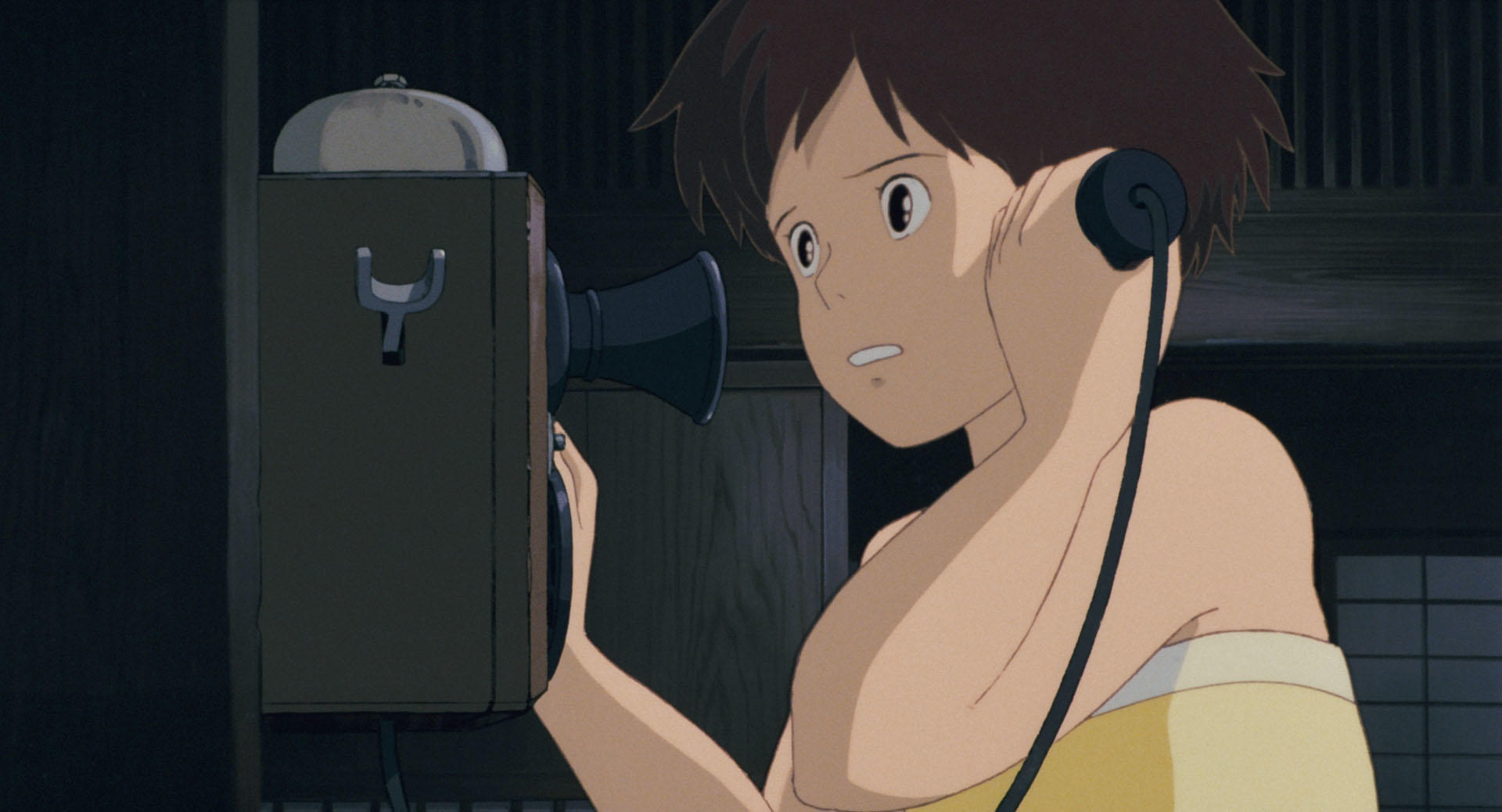
The funniest Studio Ghibli characters and moments usually come from tiny behaviour rather than big punchlines: Catbus grinning in the rain, Calcifer sulking over breakfast, Muta complaining his way through danger, Ponyo yelling with total confidence, and the soot sprites scattering when grown-ups arrive. Ghibli comedy works because it feels character-led. The jokes reveal fear, pride, appetite, awkwardness, mischief and affection.
This guide is for viewers looking for the lighter side of Studio Ghibli. Some films are dramatic, sad or politically serious, but even the heavier stories often make room for odd little laughs. The best Ghibli comedy rarely interrupts the emotion. It makes the world feel lived-in.
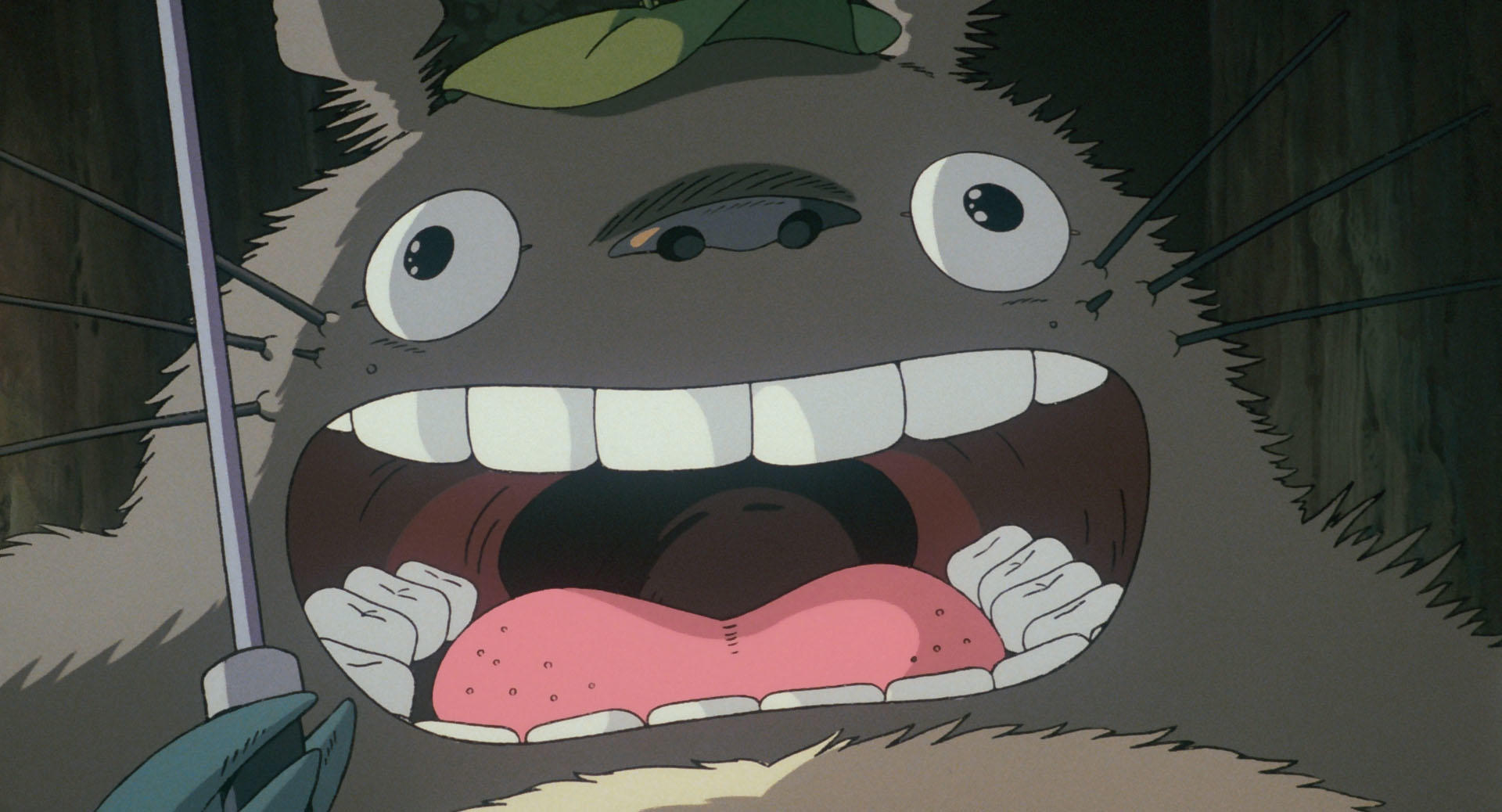
Quick list: the funniest Ghibli picks
| Character or moment | Film | Why it is funny |
| Catbus | My Neighbor Totoro | A giant grinning spirit vehicle is absurd, useful and strangely polite. |
| Calcifer | Howl’s Moving Castle | He acts powerful while being hilariously petty about food and chores. |
| Muta | The Cat Returns | He is brave, loyal and permanently annoyed about having to help. |
| Ponyo | Ponyo | Her enthusiasm is so huge that ordinary manners cannot contain it. |
| Soot sprites | Totoro and Spirited Away | They make the magical world feel busy, nervous and alive. |
1. Catbus: the perfect Ghibli absurdity
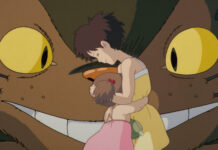
Catbus might be the funniest single image in Studio Ghibli: a many-legged cat with bus windows, headlights for eyes and a grin that suggests it knows exactly how strange it is. The joke is not explained. Nobody stops the film to ask why a cat is also a bus. The world simply accepts that this is how forest spirits handle public transport.
That deadpan confidence is what makes the moment work. Catbus is bizarre, but it is not random. It appears when the children need help, moves with impossible speed and somehow feels safer than an ordinary adult vehicle. The comedy comes from the contrast between impossible design and total practicality. It is ridiculous, but it gets the job done.
2. Calcifer: tiny fire demon, enormous attitude
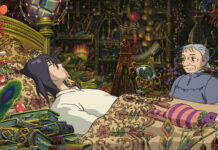
Calcifer is funny because he performs grandeur from inside a fireplace. He is a fire demon bound to Howl’s moving castle, but he also complains, bargains, panics and reacts to breakfast like a fussy housemate. His voice and timing turn small domestic moments into comedy: the eggs, the bacon, the ash, the indignity of being used as a household utility.
He also gives Howl’s Moving Castle a useful comic counterweight. Howl can be beautiful, dramatic and evasive. Sophie can be practical and stubborn. Calcifer sits between them, making the magical contract feel like a shared living arrangement with too many chores and not enough appreciation. His funniest moments are also character work.
3. Muta: the grumpy bodyguard who pretends not to care
Muta from The Cat Returns is classic reluctant-helper comedy. He complains, insults, eats, grumbles and acts as if every rescue is a personal inconvenience. That makes him funny before the plot even needs him to do anything dramatic.
The joke works because Muta is not useless. He is brave when it matters. His irritation is a comic surface over real loyalty. Ghibli often gets comedy from characters whose actions are kinder than their tone. Muta says he does not want to be involved, then keeps getting involved. That gap between attitude and behaviour is where the humour lives.
4. Ponyo: pure confidence in fish-child form
Ponyo is one of Ghibli’s funniest films because Ponyo herself has no social filter. She wants ham, declares names, runs across waves and treats every feeling as something that should be shouted into the world. Her comedy is not sarcasm. It is total, unstoppable sincerity.
That kind of humour lands especially well for families because it feels close to real childhood behaviour. Ponyo is not trying to be cute. She is certain, hungry, delighted, furious and affectionate at full volume. The film’s biggest magical moments are spectacular, but many of its funniest moments are tiny expressions of appetite and impatience.
5. The soot sprites: nervous little workers with perfect timing
The soot sprites are funny because they are small, busy and instantly readable. In My Neighbor Totoro, they turn an old house into a place with secret motion in the corners. In Spirited Away, they become tiny labourers in Kamaji’s boiler room, carrying coal with an anxious dignity that makes them feel like a miniature workforce.
Their comedy is physical. They scatter, pause, stare and resume work. They are simple enough for children to love immediately, but expressive enough that adults can read little moods into them. That is a very Ghibli kind of joke: not a punchline, but a creature behaving in a way that feels oddly true.
6. No-Face trying to fit in
No-Face is not only funny, and some of his scenes become unsettling. But his early awkwardness in Spirited Away has a strange comic sadness. He hovers, offers tokens, misunderstands what people want and tries to copy the rules of a place that rewards greed.
The humour comes from social confusion. No-Face is terrifying once the bathhouse teaches him the wrong lessons, but before that he can feel like someone trying to enter a party without knowing the etiquette. Ghibli often lets comedy sit beside loneliness, which is why the laugh does not feel cruel.
7. Jiji: dry commentary from a tiny cat
Jiji is funny because he gives Kiki the kind of sceptical side commentary that a nervous teenager might not say out loud. He is cautious where Kiki is determined, suspicious where she wants to be brave, and small enough that his warnings feel both sensible and comic.
His humour also changes as the film matures. Early Jiji is a safety valve, letting the audience laugh at awkward moments. Later, when Kiki’s relationship to him changes, the absence of that running commentary matters. The comedy helps set up the emotional shift.
Why Studio Ghibli comedy feels different
Ghibli comedy usually does not feel like a separate joke track. It comes from design, movement, appetite, pride, surprise and small social misunderstandings. A character eats too dramatically, complains too much, moves too strangely or behaves with complete seriousness in an impossible situation. The films trust viewers to notice.
That is why the funny moments are so rewatchable. They are not only there to make the audience laugh once. They help define characters and worlds. Catbus tells us the forest is magical and practical. Calcifer tells us magic can be domestic. Muta tells us loyalty can wear a grumpy face. Ponyo tells us wonder can be loud, hungry and slightly chaotic.
FAQ
What is the funniest Studio Ghibli movie?
The Cat Returns is probably the most openly comic Studio Ghibli film, while My Neighbor Totoro, Ponyo and Howl’s Moving Castle have some of the funniest individual character moments.
Who is the funniest Studio Ghibli character?
Catbus is the funniest visual idea, Calcifer has the sharpest comic personality, and Muta is the best grumpy comic sidekick. The best choice depends on whether you prefer absurdity, dialogue or reluctant-hero humour.
Are Studio Ghibli movies comedies?
Most Studio Ghibli films are not pure comedies, but many use gentle humour throughout. The jokes usually support character, mood and world-building rather than turning the story into a gag-driven film.
Which Ghibli film is best for lighthearted viewing?
My Neighbor Totoro, Ponyo, Kiki’s Delivery Service and The Cat Returns are strong lighthearted choices, depending on whether you want cozy magic, childlike chaos, coming-of-age warmth or outright cat-world silliness.
Image credit: Official stills from the My Neighbor Totoro page on ghibli.jp, used under Studio Ghibli’s common-sense image-use notice. This article is an independent fan guide and is not affiliated with Studio Ghibli.