If you are searching for the darkest Studio Ghibli movies, the short answer is: start with Grave of the Fireflies, Princess Mononoke, The Wind Rises, The Tale of the Princess Kaguya, and When Marnie Was There. They are not dark in the same way. Some are about war and survival, some are about grief, some are about the cost of ambition, and some are quiet emotional mysteries that linger after the credits.
This guide ranks the heaviest Ghibli watches by emotional weight, not by quality. It is written for viewers who want to know what they are getting into before pressing play. If you want a softer companion list, see the site’s saddest Studio Ghibli movies ranked guide, or the best Studio Ghibli movies for adults guide.
Quick ranking: darkest Studio Ghibli movies
| Rank | Movie | Why it feels dark | Best viewer fit |
|---|---|---|---|
| 1 | Grave of the Fireflies | War, hunger, children, helplessness | Adults ready for historical tragedy |
| 2 | Princess Mononoke | Violence, hatred, environmental collapse | Teens and adults who like moral complexity |
| 3 | The Wind Rises | Beauty tied to loss, illness, and war machines | Adults who want a reflective drama |
| 4 | The Tale of the Princess Kaguya | Beauty, control, family pain, impossible freedom | Patient viewers who like folklore and heartbreak |
| 5 | When Marnie Was There | Loneliness, memory, identity, abandonment wounds | Older kids, teens, and adults who like gentle sadness |
| 6 | Spirited Away | Greed, fear, identity loss, child vulnerability | Families with older children, fantasy fans |
| 7 | Howl’s Moving Castle | War imagery, curses, fear of becoming monstrous | Viewers who want darkness softened by romance |
1. Grave of the Fireflies
Grave of the Fireflies is the darkest Studio Ghibli movie because it removes almost every protective layer people expect from animation. There is no magical rescue, no cozy creature, and no comforting escape into fantasy. The film follows children trying to survive during wartime, and its emotional force comes from watching ordinary needs become impossible.
Before choosing it, read the complete Grave of the Fireflies guide for its spoiler-light story, themes, age advice and viewing warnings.
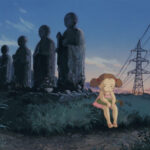
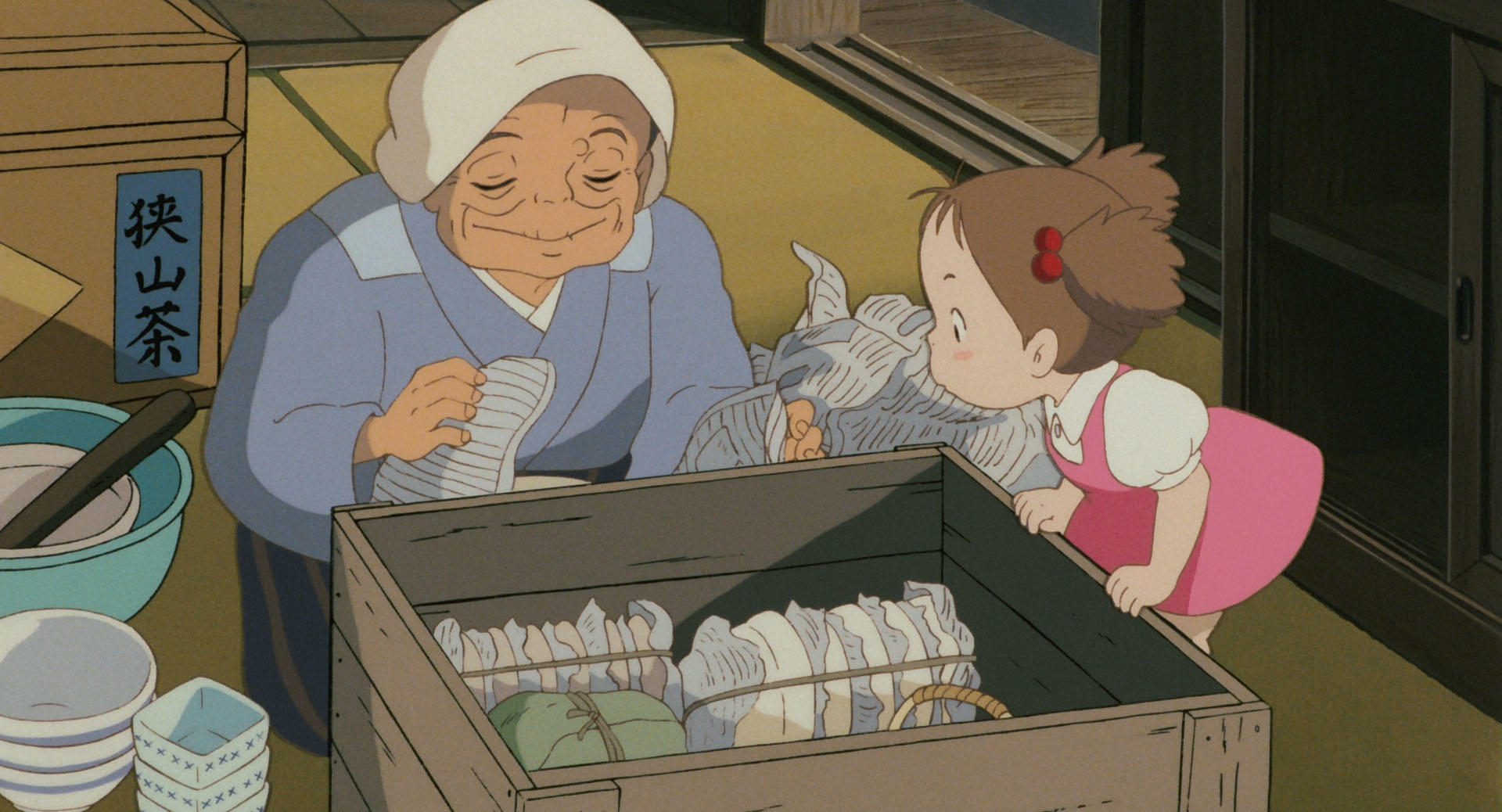
It is also the film most likely to surprise new Ghibli viewers who only know the studio through Totoro or Kiki’s Delivery Service. This is not a family comfort watch. It is a historical tragedy told with restraint, which makes it more painful rather than less. The darkness is not there for shock value. It comes from the gap between childhood innocence and adult catastrophe.
2. Princess Mononoke
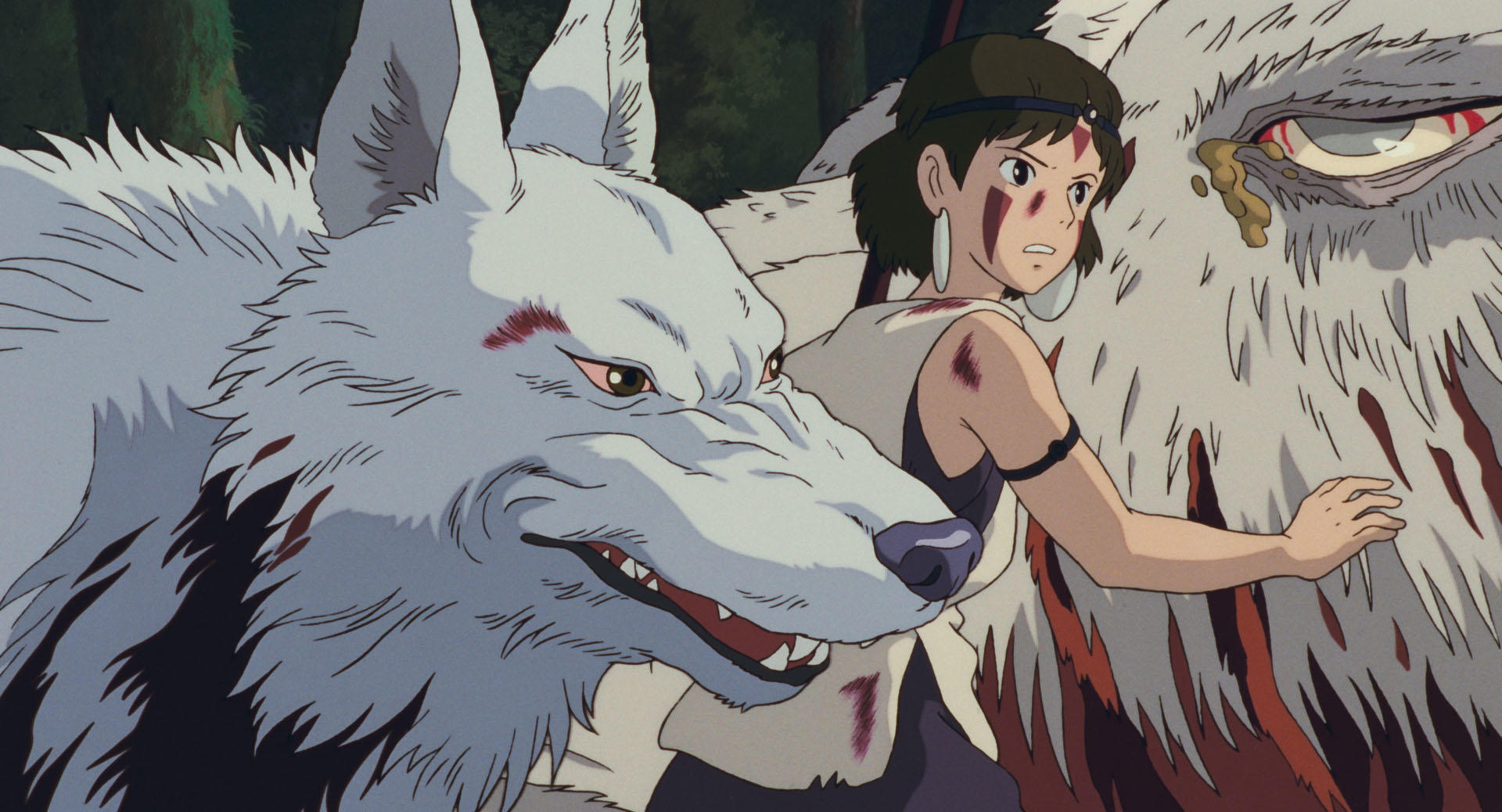
Princess Mononoke is dark because almost everyone in it has a reason. The forest is not simply good, Irontown is not simply evil, and Ashitaka cannot solve the conflict by choosing one side and defeating the other. The movie is filled with injury, rage, cursed bodies, and people trying to survive inside systems that keep making them cruel.
That is why it still works so well for older viewers. Its violence has weight. Its environmental message is not a neat slogan. Lady Eboshi protects vulnerable people while also destroying the forest. San fights for the wolves and gods, but she is also consumed by hatred. For a full film page, use the Princess Mononoke guide.
3. The Wind Rises
The Wind Rises is quieter than Princess Mononoke, but its darkness may be more adult. The film asks what happens when a beautiful dream becomes tangled with real-world harm. Jiro wants to make elegant aircraft. History turns aircraft into weapons. The movie does not flatten that contradiction into a simple moral lesson.
Its sadness is also personal. Illness, love, work, and ambition move through the story together. The result is not a villain story, but a cost story. It is one of the best Ghibli films for viewers who want to think about creativity, responsibility, and whether making something beautiful is enough if the world uses it badly.
4. The Tale of the Princess Kaguya
The Tale of the Princess Kaguya is not dark in a violent way. It is dark because it understands how beauty can become a cage. Kaguya is loved, admired, renamed, dressed, displayed, and pushed toward a life that other people think should make her happy. The tragedy is that so much of the pressure comes wrapped in care.
The film’s spare art style makes the emotional turns feel exposed. When Kaguya runs, laughs, remembers, or breaks down, the animation feels close to a sketch of a feeling before it has been tidied up. For viewers who want darkness without battles or monsters, this may be the most devastating Ghibli film after Grave of the Fireflies.
5. When Marnie Was There
When Marnie Was There is a softer movie on the surface, but it belongs on this list because its emotional subject is heavy: loneliness, self-loathing, family wounds, and the fear that you are difficult to love. Anna’s story is not loud. It creeps in through silence, awkwardness, and the feeling of being outside your own life.
The film is a good pick for viewers who want mystery and melancholy rather than danger. It is also one of the more useful Ghibli films for conversations about grief and belonging. If Grave of the Fireflies is the hardest external tragedy, When Marnie Was There is one of the studio’s strongest internal ones.
6. Spirited Away
Spirited Away is often treated as a perfect first Ghibli movie, and it can be. But it is darker than many people remember. Chihiro is separated from her parents, trapped in a world where names can be taken, and forced to work in a place full of appetite, fear, and strange rules. The movie is magical, but the magic is not always gentle.
Its darkness is balanced by movement and wonder. Chihiro grows stronger because she keeps paying attention, helping others, and refusing to become numb. For many families, this is the safest “dark” Ghibli choice because the frightening ideas are wrapped in adventure and warmth. Use the Spirited Away beginner guide if you want a softer entry point.
7. Howl’s Moving Castle
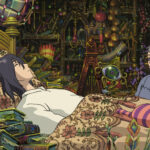
Howl’s Moving Castle is romantic, funny, and beautiful, but it still carries darkness through war, curses, cowardice, and the fear of losing yourself. Howl is not only charming. He is also evasive, vain, frightened, and at risk of becoming something less human. Sophie’s curse looks whimsical at first, but it turns her body into a visible version of how small and overlooked she feels.
This is a strong pick when you want a darker Ghibli mood without ending the night crushed. The movie keeps returning to care: cooking, cleaning, shelter, chosen family, and the decision to keep loving people even when they are messy. For more next-watch ideas, see movies like Howl’s Moving Castle.
Which dark Ghibli movie should you watch first?
If you want the most powerful historical drama, choose Grave of the Fireflies. If you want action, moral conflict, and environmental weight, choose Princess Mononoke. If you want adult reflection, choose The Wind Rises. If you want quiet heartbreak, choose The Tale of the Princess Kaguya or When Marnie Was There. If you want a darker film that still feels adventurous, choose Spirited Away or Howl’s Moving Castle.
FAQ
What is the darkest Studio Ghibli movie?
Grave of the Fireflies is usually the darkest Studio Ghibli movie because it is a realistic wartime tragedy centred on children, hunger, and loss.
Is Princess Mononoke too dark for kids?
It depends on the child, but Princess Mononoke is usually better for teens and adults than young children. It includes violence, cursed imagery, and morally complex conflict.
Are dark Studio Ghibli movies still hopeful?
Often, yes. Ghibli darkness usually comes with compassion, beauty, or a search for balance. The exception is Grave of the Fireflies, which is much more tragic and should be approached carefully.
Image source note: The featured and inline image is an official Studio Ghibli still from the Princess Mononoke work page, where Studio Ghibli states that images may be used within common-sense bounds: ※画像は常識の範囲でご自由にお使いください。