The best Studio Ghibli movies for teachers are Kiki’s Delivery Service, Whisper of the Heart, My Neighbor Totoro, From Up on Poppy Hill, Spirited Away and The Wind Rises. They are useful not because they behave like classroom manuals, but because they open gentle conversations about confidence, first attempts, care, community, responsibility and the kind of growth that cannot be measured by a single grade.
This guide is for teachers, tutors, club leaders, homeschool parents and anyone choosing a Ghibli film for a discussion group. It focuses on films that give you something clear to talk about after the credits, while still being enjoyable as stories rather than homework.
Quick picks for teachers
| If you want to discuss… | Use… | Why it works |
| Confidence and independence | Kiki’s Delivery Service | Kiki learns that competence grows through practice, help and recovery. |
| Creative process | Whisper of the Heart | Shizuku shows the value of drafting, feedback and effort. |
| Feelings and gentle observation | My Neighbor Totoro | It gives younger viewers space to talk about worry, imagination and family. |
| Student voice and community | From Up on Poppy Hill | The clubhouse campaign is a warm example of shared responsibility. |
| Rules, work and identity | Spirited Away | The bathhouse lets older pupils discuss names, labour and courage. |
1. Kiki’s Delivery Service: learning independence without pretending it is easy
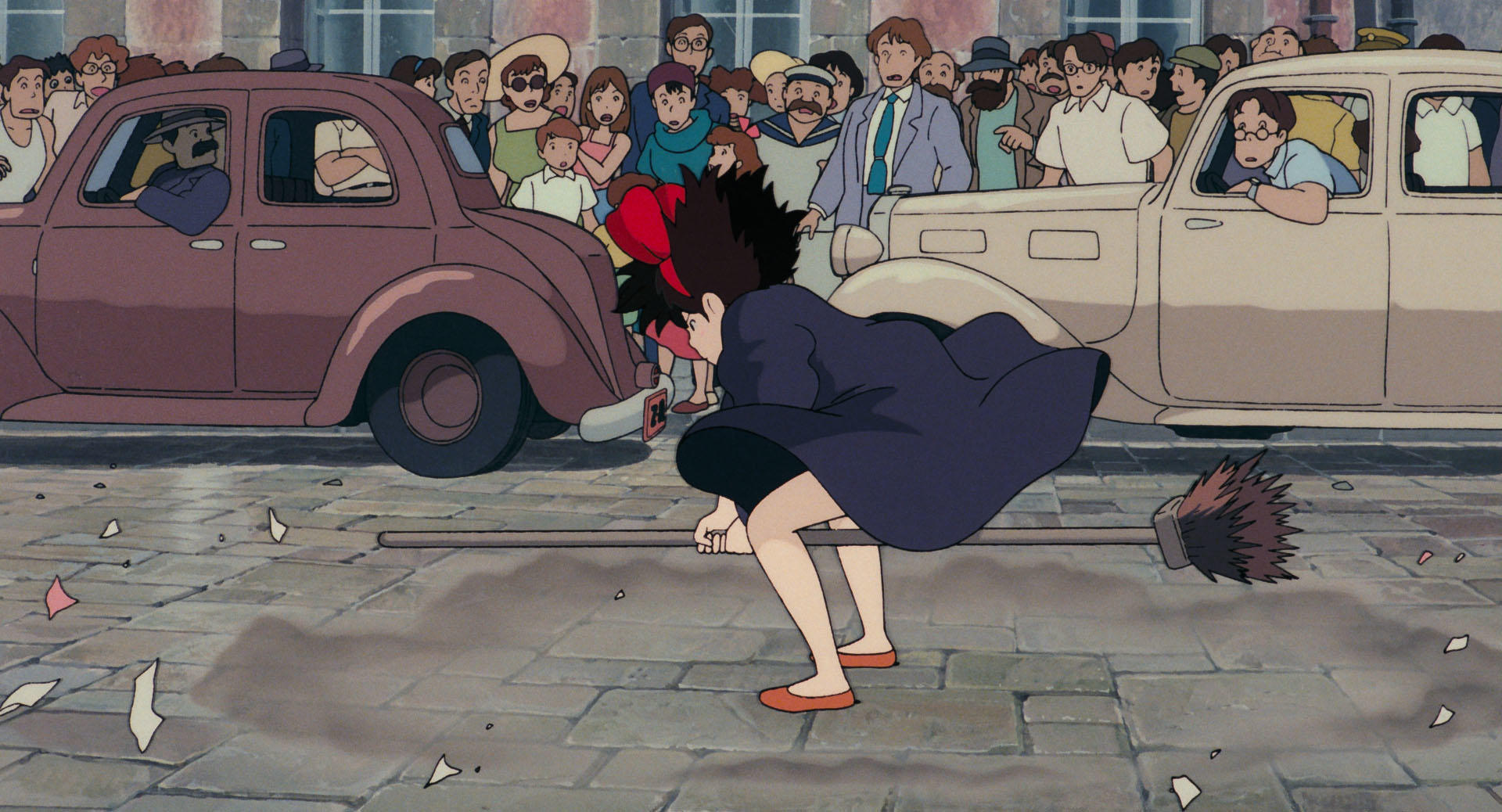
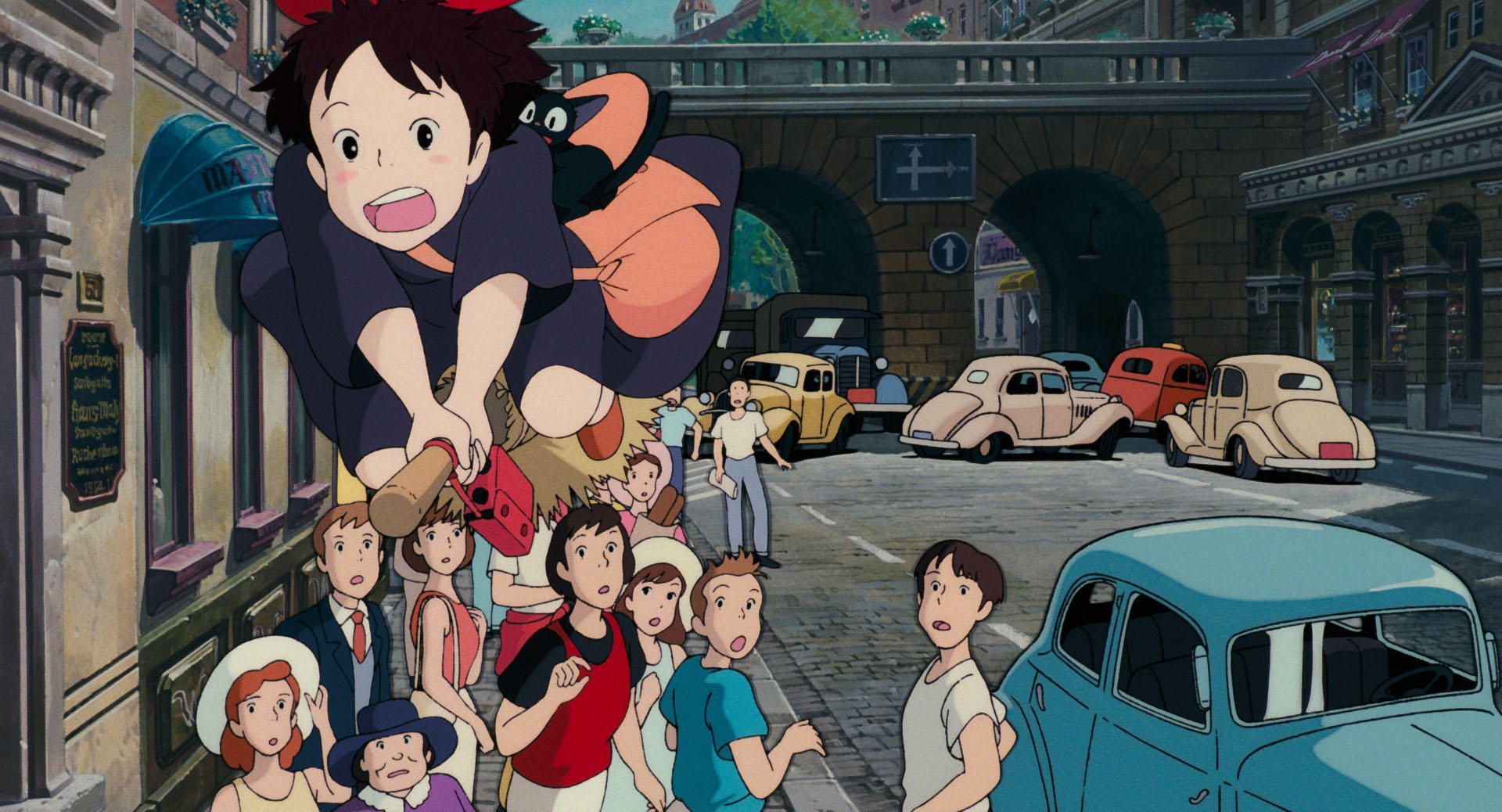
Kiki’s Delivery Service is the strongest all-round Ghibli film for teachers because its central lesson is emotionally simple but not simplistic. Kiki leaves home, starts work, makes mistakes, meets kind adults, handles awkward customers and eventually loses confidence in the very skill that once defined her.
For classroom discussion, that gives you a lot more than “believe in yourself.” Kiki’s story is about how young people build independence through routine, trust and trial. She needs responsibility, but she also needs rest. She needs ambition, but she also needs people who do not reduce her worth to performance. That makes the film useful for conversations about transition years, starting secondary school, first jobs, leaving home and the pressure to seem capable before you feel ready.
Good discussion questions include: What helps Kiki recover? Why does asking for help feel difficult? When does work become too closely tied to identity? Our Kiki character guide and Kiki ending explanation go deeper on confidence and burnout.
2. Whisper of the Heart: the best Ghibli film for creative assignments
Whisper of the Heart is ideal for writing groups, art classes and students who freeze because their first attempt is not as good as the idea in their head. Shizuku’s creative growth is not magical. She reads, observes, dreams, procrastinates, drafts, doubts herself and discovers that wanting to be good is not the same thing as doing the work.
That makes the film a generous way to talk about feedback. Shizuku is not humiliated by the gap between her ambition and her current skill. She is invited to see it honestly. For teachers, that is a precious distinction. The film supports a classroom culture where rough drafts are not failures. They are evidence that a student has entered the real process.
Use it when you want pupils to reflect on practice, craft, revision and self-comparison. It pairs naturally with creative-writing tasks, reflective journals and any project where students need to finish an imperfect first version before improving it. See our Shizuku Tsukishima guide for a focused character reading.
3. My Neighbor Totoro: observation, imagination and quiet feelings
My Neighbor Totoro is especially useful with younger pupils because it leaves room for emotional interpretation. It is not plot-heavy, and that is part of its educational value. Children can notice the rain, the trees, the bus stop, the sisters’ body language and the way ordinary household routines sit beside magical encounters.
The film can support gentle conversations about worry, family illness, moving house, sibling relationships and imagination as a way of processing fear. It should not be over-explained to younger viewers. A teacher can get more from asking what a scene feels like than from forcing one fixed meaning. The film rewards observation, listening and emotional vocabulary.
4. From Up on Poppy Hill: student voice and shared responsibility
From Up on Poppy Hill is one of Ghibli’s best films for discussing school community. The Latin Quarter is messy, beloved and full of student energy. Saving it requires meetings, cleaning, persuasion, journalism, teamwork and the ability to show adults why a space matters.
That makes it useful for clubs, school councils and project-based learning. The film turns civic responsibility into something tangible. Students are not waiting for permission to care. They organise around a place that holds memory and possibility. It is a good prompt for asking what spaces in a school or community help people feel ownership.
Use the full From Up on Poppy Hill guide for the film’s story, student campaign, historical setting and age guidance before planning a discussion.
5. Spirited Away: rules, work and remembering who you are
Spirited Away is better for older pupils than very young classes, but it offers rich discussion. Chihiro enters a world with unfamiliar rules, intimidating adults and a workplace that tries to rename her. She survives by learning, working, observing carefully and holding onto the relationships that matter.
For teachers, the most useful angle is identity under pressure. The bathhouse can lead to conversations about names, contracts, greed, courage, exploitation and kindness inside a harsh system. It also shows that bravery can look like doing the next necessary task rather than making a grand speech. Related guides to Lin, Kamaji and Yubaba can help frame the bathhouse characters.
6. The Wind Rises: ambition, ethics and mature discussion
The Wind Rises is not the easiest classroom pick, but it may be the richest for older students. Jiro’s dream of designing beautiful aircraft raises questions about vocation, historical context and the moral consequences of work. The film admires craft while refusing to make ambition morally tidy.
It is best used when students are ready for nuance. What does it mean to love a field of study? Can beautiful work still serve troubling purposes? How should a person think about responsibility inside a larger system? Those questions make it valuable for media studies, history, design, ethics and careers discussions.
How to use a Ghibli film without turning it into a worksheet
The safest approach is to choose one clear discussion focus before watching. Do not ask a film to teach everything. With Kiki, focus on independence. With Whisper, focus on drafting and practice. With Totoro, focus on observation and feeling. With Spirited Away, focus on identity and rules. A short, precise prompt will usually produce better discussion than a long list of comprehension questions.
It also helps to let students respond creatively. They might write Kiki a letter of advice, storyboard an unseen moment, compare two mentors, map the bathhouse rules or describe a place in their own school that feels like the Latin Quarter. Ghibli films work well in classrooms when they are treated as stories first and teaching tools second.
FAQ
What is the best Studio Ghibli movie for teachers to show?
Kiki’s Delivery Service is the best all-round choice because it is accessible, warm and rich in discussion points about independence, confidence, work, rest and growing up.
Which Ghibli film is best for creative writing lessons?
Whisper of the Heart is the strongest pick for creative writing because it shows drafting, self-doubt, practice and the courage to finish an imperfect first serious attempt.
Is Spirited Away suitable for classroom discussion?
Yes, especially with older pupils. It can support discussion about identity, rules, work, greed, courage and remembering your name in a world that tries to rename you.
Which Ghibli film works best for younger children?
My Neighbor Totoro is usually the gentlest classroom option for younger children because it encourages observation, imagination and careful talk about feelings.
Image credit: Official stills from the Kiki’s Delivery Service page on ghibli.jp, used under Studio Ghibli’s common-sense image-use notice. This article is an independent fan guide and is not affiliated with Studio Ghibli.