Quick answer: Muta is the large, grumpy white cat who helps Haru in The Cat Returns. He looks lazy, rude and food-obsessed, but his role is more useful than that. Muta gives the film its rough comic energy, protects Haru when the Cat Kingdom becomes dangerous, and quietly proves that loyalty in Studio Ghibli often comes from imperfect people rather than polished heroes.
Who is Muta in The Cat Returns?
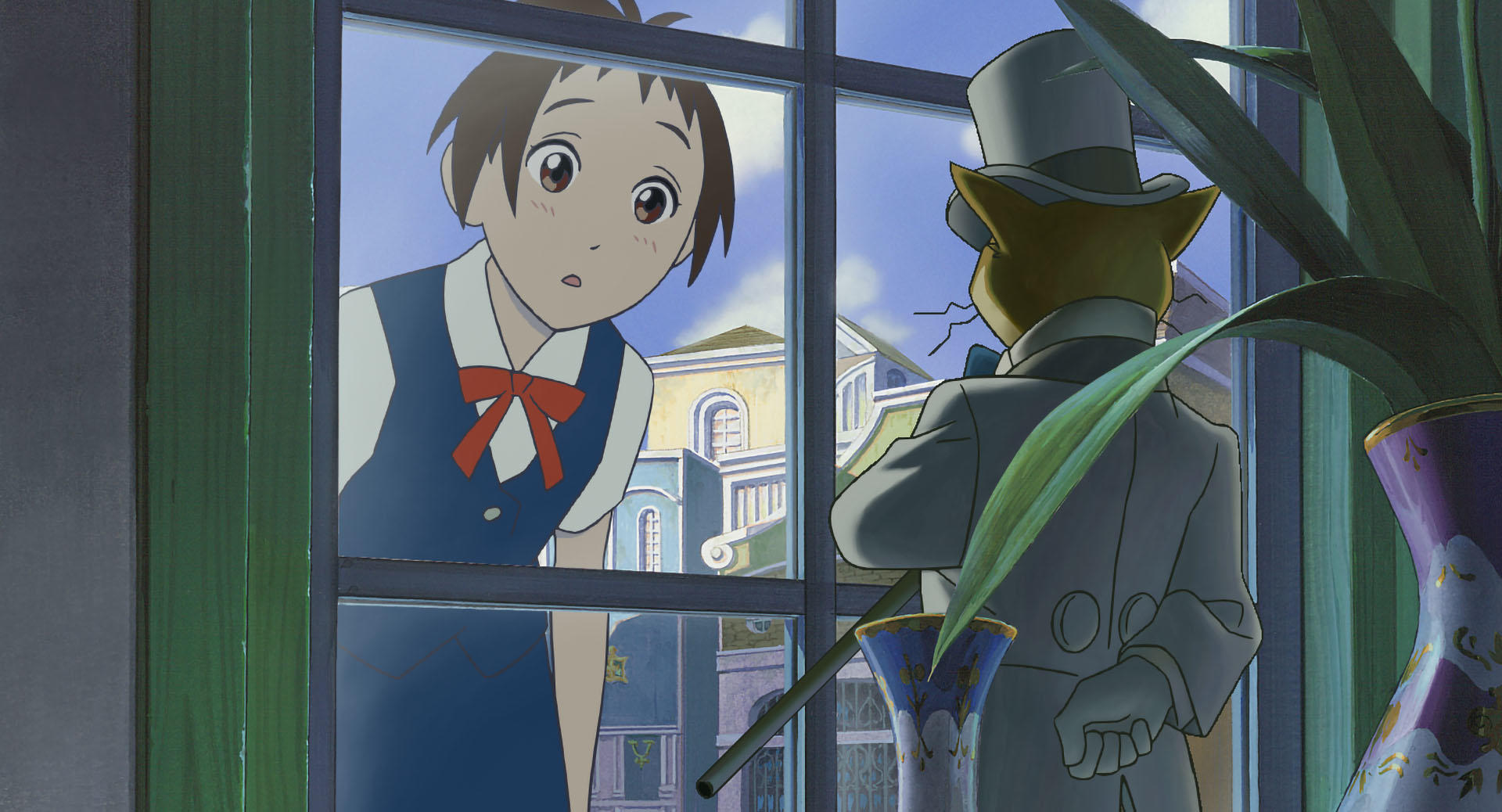
Muta is one of the key helpers Haru meets after saving a cat from traffic. When Haru is pulled into the strange politics of the Cat Kingdom, Muta becomes part guide, part bodyguard and part walking complaint. He is connected to the Cat Bureau, where the Baron offers elegant advice, but Muta brings a very different texture to the story.
Where the Baron is graceful and composed, Muta is blunt, hungry and physically chaotic. That contrast is the point. The Cat Returns needs fantasy charm, but it also needs someone who can puncture the dream before it gets too sugary. Muta does that almost every time he opens his mouth.
Why Muta matters to Haru
Haru begins the film unsure of herself. She is kind, but easily embarrassed. She drifts through school, apologises quickly and struggles to push back when other people decide things for her. The Cat Kingdom exploits that weakness by treating her gratitude as permission to control her life.
Muta matters because he is not impressed by the kingdom’s ceremony. He sees danger, nonsense and manipulation under the royal decoration. His grumbling gives Haru a practical anchor. When events become too theatrical, Muta reacts like someone who knows this is a bad idea and has no patience for pretending otherwise.
Muta as comic relief
Muta is funny because he refuses to behave like a noble fantasy companion. He complains, eats too much, snaps at people and often looks like he would rather be somewhere else. In a film full of elegant staircases, tiny courtiers and royal absurdity, his heavy physical presence makes the fantasy feel less fragile.
The comedy is not random. Muta’s appetite and irritability keep the pacing lively, especially for younger viewers. He also gives adults something to enjoy: the familiar energy of a tired friend who helps anyway while making sure everyone knows how inconvenient it is.
Is Muta secretly brave?
Yes, although the film does not make him sentimental about it. Muta does not give grand speeches about courage. He acts when Haru needs help, throws himself into trouble and keeps going even when the situation becomes ridiculous. His bravery is physical, stubborn and slightly annoyed.
That makes him very different from the Baron. The Baron’s courage looks polished. Muta’s courage looks like a grumpy cat forcing his way through danger because someone has to. Both forms matter. Haru needs inspiration, but she also needs someone who can crash into a problem and make space for escape.
Muta and the Baron
Muta and the Baron work because they do not duplicate each other. The Baron is calm, courteous and idealised. Muta is earthy, messy and reactive. Together, they give the Cat Bureau a balanced personality: one figure tells Haru to believe in herself, while the other keeps the adventure from floating away into pure elegance.
Their partnership also makes the world feel lived in. They seem to have history, habits and irritations beyond Haru’s immediate problem. That is one reason The Cat Returns feels bigger than its short runtime. The film hints at a wider magical network without stopping to explain every rule.
Muta and the Cat Kingdom
The Cat Kingdom looks charming at first, but it is built on pressure. Haru is dressed up, renamed, celebrated and nearly married into a life she never chose. Muta’s refusal to be impressed helps the viewer notice how strange the kingdom really is. He reacts against the glamour instead of being absorbed by it.
His size also matters visually. Muta does not fit neatly into the kingdom’s dainty image of cats. He is too large, too loud and too independent. In a story about resisting a role that others force onto you, that makes him more than a joke. He embodies the refusal to become decorative.
What Muta teaches Haru
Muta teaches Haru, mostly by example, that help does not always arrive in a gentle package. He is not nurturing like a parent, and he is not romantic like a fairy-tale rescuer. He is difficult, honest and present. For Haru, that is valuable because the Cat Kingdom is full of people being polite while trying to control her.
By staying blunt, Muta helps separate real loyalty from flattering attention. The cats who praise Haru often want something from her. Muta may grumble, but his actions point in the opposite direction: he helps her get back to her own life.
Is Muta from Whisper of the Heart?
Muta is connected to the wider world of Whisper of the Heart and The Cat Returns, although viewers do not need to know that history to enjoy him. The two films share a playful relationship through cat imagery, storytelling and the Baron. Muta’s presence helps make The Cat Returns feel like a fantasy spun from details that already existed around the edges of another Ghibli story.
If you want the broader movie context, start with our The Cat Returns guide, then compare Haru’s adventure with the creative coming-of-age mood of Whisper of the Heart.
Why fans remember Muta
Fans remember Muta because he is such a good antidote to prettiness. The Cat Returns could easily become too neat: a shy girl, a fantasy kingdom, an elegant cat gentleman and a fairy-tale rescue. Muta keeps it scruffy. He adds weight, sarcasm and the sense that magic is still full of inconvenient practical problems.
He is also lovable without trying to be lovable. That is a very Ghibli trick. The studio’s best side characters often have flaws that make their kindness feel earned. Muta is greedy and irritable, but he still shows up. In the end, that is why he works: he is a mess, but he is Haru’s mess when it counts.
Muta compared with other Ghibli cats
Muta sits in a funny place among Studio Ghibli cats. Jiji in Kiki’s Delivery Service is sharp and intimate, the Catbus in My Neighbor Totoro is pure magical transportation, and the Baron is elegant wish-fulfilment. Muta is the opposite of elegant. He is the cat who knocks the vase over, eats the food and still somehow saves the day.
That range is why Ghibli’s cat characters remain so popular. They are not all one type of mascot. For more feline routes through the films, see our Studio Ghibli movies with cats guide and our Baron character guide.
FAQ
Who is Muta?
Muta is the large white cat who helps Haru in The Cat Returns. He is grumpy, hungry and sarcastic, but also protective when Haru is in danger.
Is Muta a good guy?
Yes. Muta is rough around the edges, but his actions show real loyalty. He helps Haru resist the Cat Kingdom and return to her own world.
Why is Muta so funny?
He undercuts the film’s fantasy elegance with blunt reactions, appetite and physical comedy. He makes the adventure feel lively rather than overly polished.
Does Muta appear in another Ghibli film?
Muta is tied to the shared cat-story world around The Cat Returns and Whisper of the Heart, especially through the Baron and the idea of stories becoming alive.
Image source: Official The Cat Returns still via ghibli.jp, where Studio Ghibli provides stills with a common-sense usage notice.