Quick answer: several Studio Ghibli movies are based on books, manga, short stories, or older folklore, even though the finished films often feel completely Ghibli. Howl’s Moving Castle, Kiki’s Delivery Service, The Secret World of Arrietty, When Marnie Was There, Whisper of the Heart, Only Yesterday, From Up on Poppy Hill, Ocean Waves, Tales from Earthsea, and The Tale of the Princess Kaguya all have clear source material behind them.
The full Ocean Waves guide explains how the television film turns Saeko Himuro’s novel into a low-key story about memory, friendship and difficult teenage choices.
Studio Ghibli adaptations at a glance
If you want the simple watchlist, start here. The best-known book-based Ghibli films are Howl’s Moving Castle, adapted from Diana Wynne Jones’s fantasy novel, Kiki’s Delivery Service, adapted from Eiko Kadono’s children’s book series, The Secret World of Arrietty, adapted from Mary Norton’s The Borrowers, and When Marnie Was There, adapted from Joan G. Robinson’s novel. Those four are the easiest entry points if you are specifically looking for Ghibli movies with a literary origin.
There are also manga and folklore routes. Whisper of the Heart, Only Yesterday, and From Up on Poppy Hill come from manga. The Tale of the Princess Kaguya draws from the Japanese folktale The Tale of the Bamboo Cutter. Tales from Earthsea is connected to Ursula K. Le Guin’s Earthsea books, though it is one of the more divisive Ghibli adaptations because it reshapes its source material so heavily.
Howl’s Moving Castle
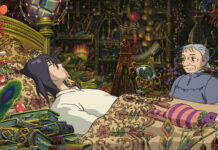
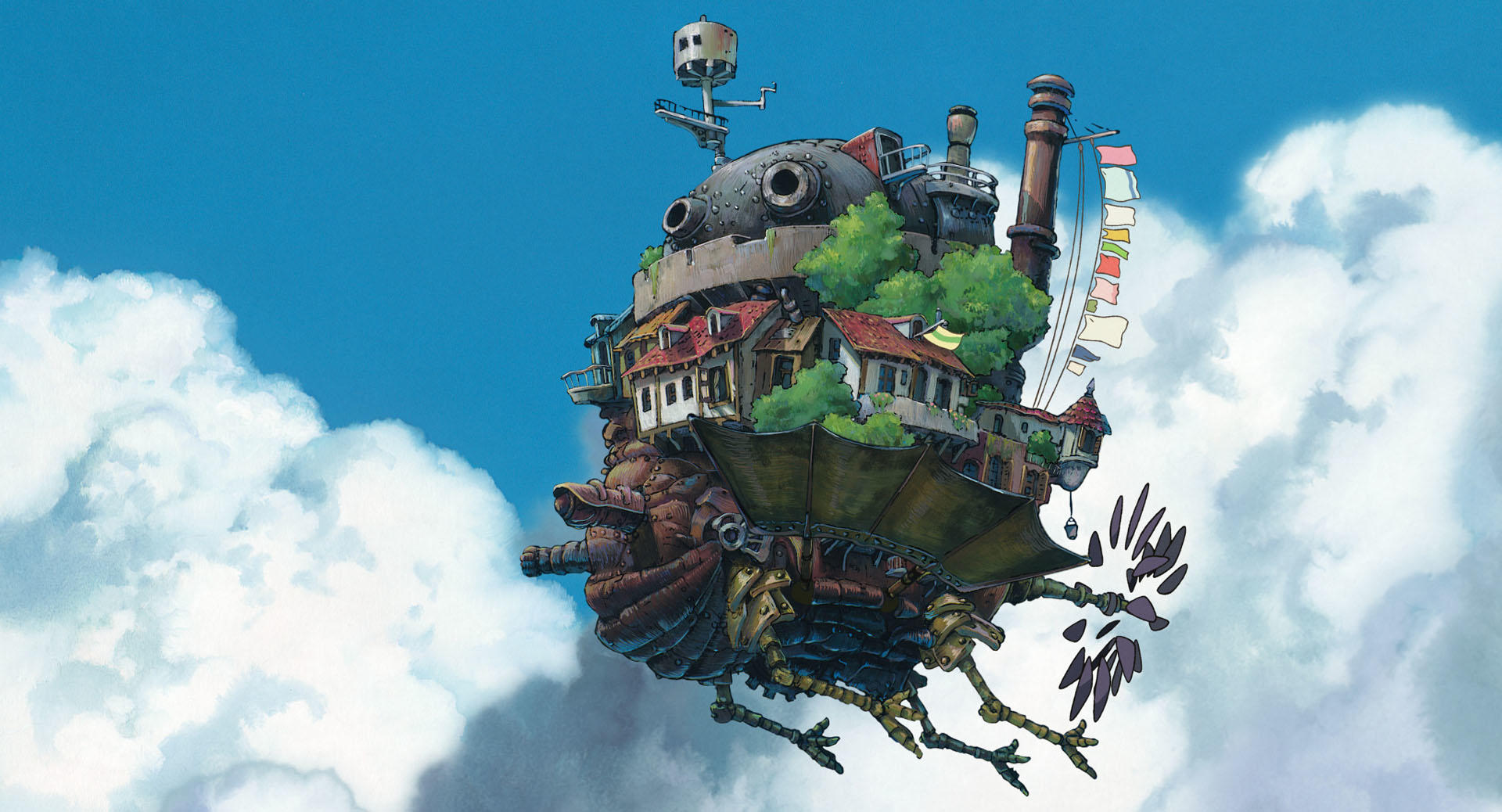
Howl’s Moving Castle is probably the adaptation most viewers discover after falling in love with the film first. The movie takes the central ingredients of Diana Wynne Jones’s novel, including Sophie, Howl, Calcifer, the moving castle, and the idea of a young woman transformed into an old one, then turns the story into a more openly anti-war, dreamlike Miyazaki film.
That difference is part of the fun. The film is not a scene-by-scene book report. It feels looser, more romantic, and more haunted by war. If you like the movie because of Sophie’s courage, Howl’s vanity, or Calcifer’s charm, the book is worth reading as a companion rather than as a replacement. For more on the film itself, see our Howl’s Moving Castle guide and our movies like Howl’s Moving Castle watch guide.
Kiki’s Delivery Service
Kiki’s Delivery Service is based on Eiko Kadono’s children’s novel, and that source explains why the film has such a clean coming-of-age shape. Kiki leaves home, builds a new routine, makes mistakes, loses confidence, and slowly learns that independence is not the same thing as never needing help.
Ghibli’s version is especially focused on burnout, creativity, loneliness, and the pressure to turn a gift into work. That makes the film feel surprisingly adult on rewatch, even though it remains one of the gentlest first Ghibli picks for families. If this is the adaptation you are most curious about, continue with our Kiki’s Delivery Service hub or the Kiki’s ending explained guide.
The Secret World of Arrietty
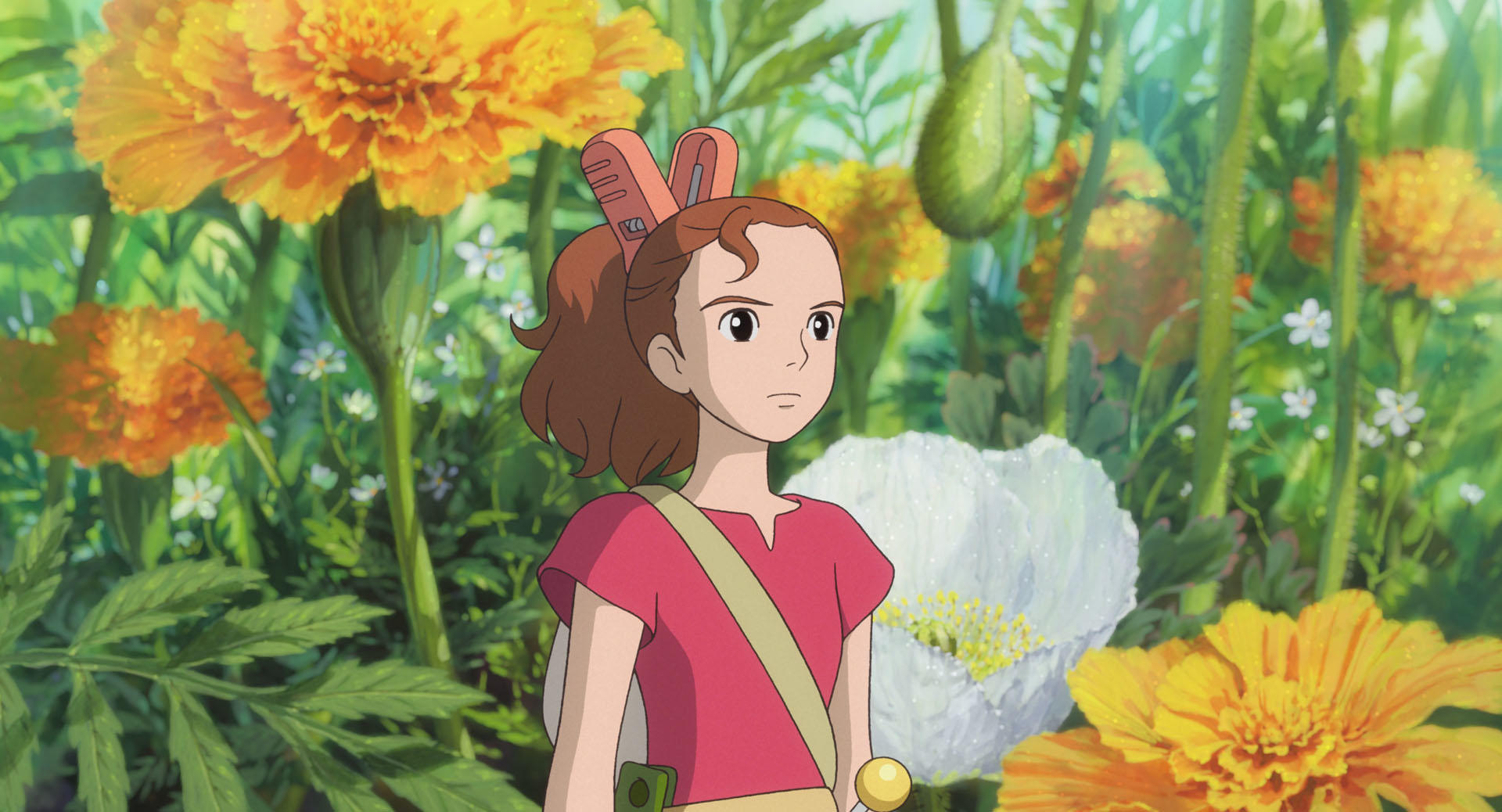
The Secret World of Arrietty adapts Mary Norton’s The Borrowers, a story about tiny people living hidden lives around human homes. It is one of the cleanest examples of Ghibli taking an existing premise and making it feel tactile, domestic, and emotionally precise. The film is not only about scale. It is about what it feels like to live carefully in a world that can crush you without even noticing.
Our complete The Secret World of Arrietty movie guide connects that literary origin with the film’s story, characters, miniature-world design, themes and age guidance.
Arrietty works well for viewers who like quiet stakes rather than giant fantasy battles. The borrowed sugar cube, the floorboards, the garden, the dollhouse, and the danger of being seen all become part of a miniature survival story. It pairs nicely with Kiki and Totoro if you want a soft, family-friendly adaptation route.
When Marnie Was There
When Marnie Was There is based on Joan G. Robinson’s novel and is one of the studio’s most emotionally direct book adaptations. It is a mystery, a friendship story, and a healing story at the same time. The Ghibli version relocates and reframes the material for a Japanese setting, but keeps the core feeling of a lonely child drawn toward a strange girl and a house that seems to hold an answer.
This is not the first adaptation to show a young person entering a hidden emotional world, but Ghibli’s version is unusually gentle with shame, memory, and family pain. It is a strong choice after viewers have tried the brighter entry points and want something more introspective.
Manga-based Ghibli movies
Several Ghibli films come from manga rather than prose novels. Whisper of the Heart adapts Aoi Hiiragi’s manga and becomes one of the studio’s best films about ambition, first love, and the fear of not being good enough. Only Yesterday comes from manga by Hotaru Okamoto and Yuko Tone, then becomes a reflective adult memory piece under Isao Takahata. From Up on Poppy Hill also comes from manga and turns postwar school life, preservation, and family history into a warm ensemble drama.
These are useful reminders that “based on source material” does not mean “less original.” Ghibli often uses the source as a seed. The final film is shaped by director, setting, pacing, music, food, landscapes, and the studio’s recurring interest in ordinary emotional detail.
Folklore and older literary roots
The Tale of the Princess Kaguya is different from the modern book adaptations because it reaches back to The Tale of the Bamboo Cutter, one of Japan’s oldest narrative traditions. Isao Takahata’s film turns that folktale into a devastating study of freedom, beauty, expectation, and the cost of being turned into an ideal.
Tales from Earthsea sits in another category. It draws from Ursula K. Le Guin’s Earthsea world, but the film compresses and rearranges the material in ways that make it controversial with readers. It can still be interesting as part of an adaptation watchlist, especially if you want to compare what Ghibli changes when it handles a much larger fantasy canon.
The Tales from Earthsea movie guide gives the spoiler-light story, characters, themes and age guidance before you compare the film with Le Guin’s books.
Best watch order for Ghibli book and manga adaptations
- Kiki’s Delivery Service, for a gentle start.
- Howl’s Moving Castle, for romance, magic, and big Ghibli spectacle.
- The Secret World of Arrietty, for quiet scale and family-friendly tension.
- Whisper of the Heart, for realistic coming-of-age emotion.
- When Marnie Was There, for mystery and healing.
- The Tale of the Princess Kaguya, for the heaviest and most artistically striking folklore adaptation.
If you are building a broader route through the studio, use this list alongside our Studio Ghibli movies in order guide and the all Studio Ghibli movies index.
FAQ
Which Studio Ghibli movie is based on Howl’s Moving Castle?
The Ghibli film Howl’s Moving Castle is based on the novel by Diana Wynne Jones, though the movie changes the emphasis, especially around war and Sophie’s emotional arc.
Is Kiki’s Delivery Service based on a book?
Yes. Kiki’s Delivery Service is based on Eiko Kadono’s children’s book series about a young witch leaving home and finding her place in a seaside town.
Is Arrietty based on The Borrowers?
Yes. The Secret World of Arrietty adapts Mary Norton’s The Borrowers, reworking the tiny-people premise through Ghibli’s visual style and emotional restraint.
Image source note: Official Studio Ghibli stills are used from ghibli.jp, where the official usage notice says images may be used within common-sense bounds.