Quick answer: The Secret World of Arrietty ends with Arrietty leaving the house with her family, while Sho accepts that loving someone does not mean keeping them close. The ending is bittersweet because the friendship is real, but the safest future for the Borrowers is somewhere humans cannot easily reach them.
What happens at the end of The Secret World of Arrietty?
By the final act, Arrietty and her parents can no longer stay beneath the floorboards of the old country house. Their hidden life has been exposed. Haru has discovered enough to make the home unsafe, Homily has been captured, and the family has to accept the Borrowers’ central rule: once humans know where they live, they must move.
Sho helps Arrietty rescue Homily, but even that act of kindness cannot reset the danger. The film does not treat Sho as a villain or Haru as the only problem. It makes the point more quietly: human attention itself is too large, too disruptive, and too risky for people as small as the Borrowers. Even a gentle human can change their world by trying to help too much.
Arrietty leaves by boat with Pod and Homily, travelling down the waterway toward an uncertain new home. Sho watches her go. They exchange a final goodbye, and Arrietty gives him a tiny clip as a keepsake. That small gift matters because it proves their connection was not imagined or childish. It was brief, but it changed both of them.
Why does Arrietty have to leave?
Arrietty leaves because staying would turn the house from a home into a trap. The Borrowers survive by being unseen, self-sufficient, and careful. Their independence is not just a charming fantasy detail. It is the practical condition of their survival.
This is why the ending can feel frustrating on a first watch. Sho is kind. He wants Arrietty to be safe. He helps rather than harms. In a simpler story, that might be enough to let the Borrowers stay. Studio Ghibli chooses the harder answer: kindness does not remove the imbalance between a human household and a miniature hidden family.
Once Haru knows about them, there is no way to make the home private again. The family’s move is not a rejection of Sho. It is Arrietty growing up enough to understand that love, gratitude, and danger can exist in the same place.
What the ending means for Sho
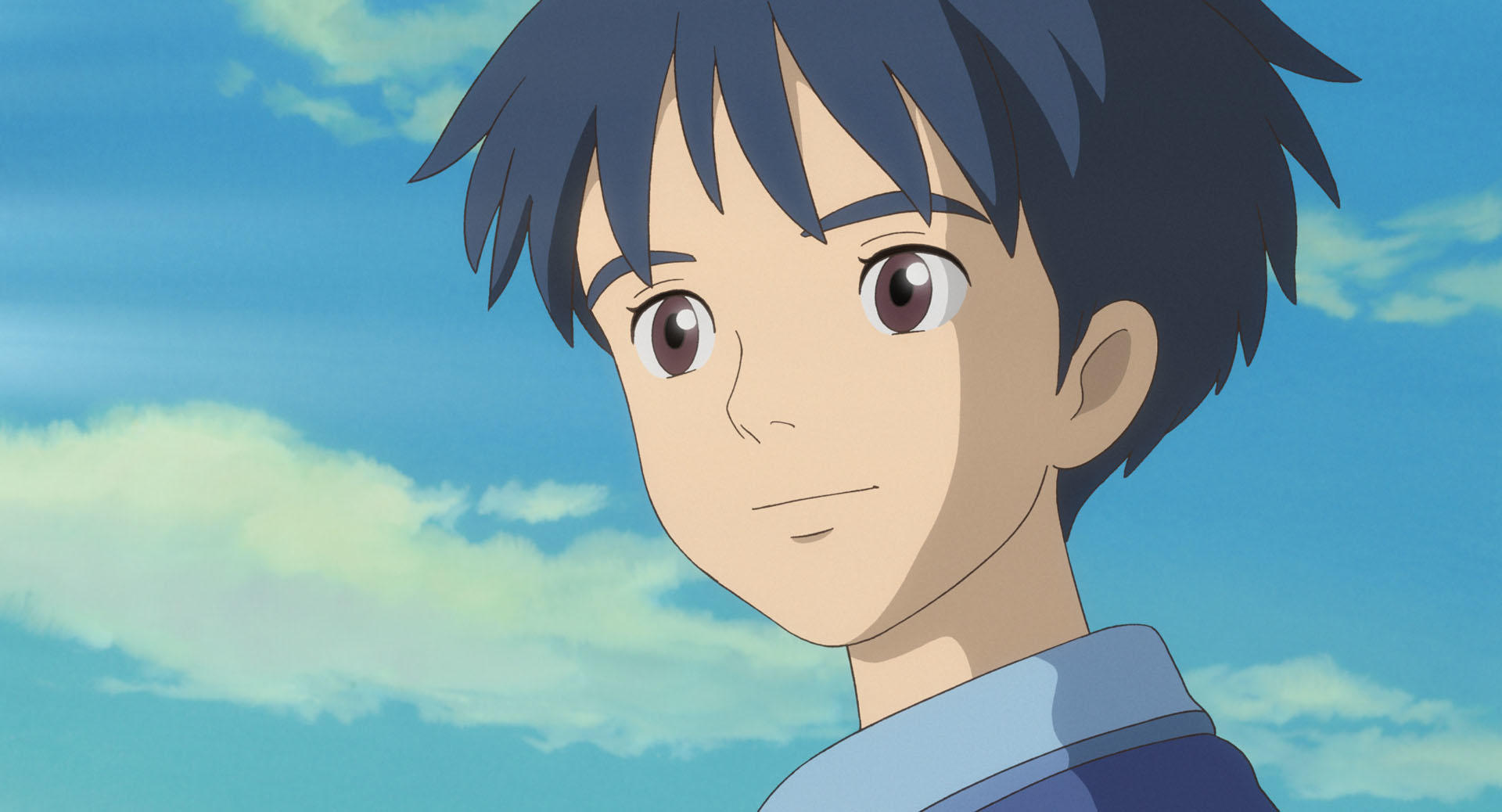
Sho begins the film as a boy waiting for heart surgery, separated from normal life and quietly preparing for the possibility that he may not survive. Arrietty gives him something different from comfort. She gives him proof of courage. She is tiny, vulnerable, and frightened, but she keeps acting, exploring, arguing, and protecting her family.
That matters because Sho has been living as if his future is already decided. Arrietty’s world is dangerous every day, but the Borrowers still make meals, keep rooms, gather supplies, build routes, and plan tomorrow. Their life is fragile without being hopeless.
When Sho lets Arrietty go, he is not simply losing a friend. He is learning how to want life without possessing it. The farewell gives him a reason to face his surgery with more courage. The film’s closing feeling is not “everything is fixed.” It is closer to: something beautiful happened, and because it happened, Sho can move forward.
What the ending means for Arrietty
For Arrietty, the ending is a coming-of-age moment. At the start, she wants to prove she is ready to borrow. She is excited by the human world and drawn to Sho partly because he sees her as a person, not just a secret. By the end, she has learned that being brave is not the same as being careless.
Her goodbye is mature because she can hold two truths at once. Sho helped her. Sho matters. But her family cannot safely build a future around his goodwill. Arrietty’s strength is not just her boldness. It is her ability to leave when leaving is the responsible choice.
That is why the final journey feels hopeful rather than purely sad. The Borrowers are not defeated. They are displaced, but still together. Arrietty has seen more of the world, found courage under pressure, and learned that friendship can be real even when it cannot last in the way she might want.
Is the ending sad or happy?
The ending is bittersweet. It is sad because Arrietty and Sho cannot stay in each other’s daily lives. It is happy because Homily is rescued, the family escapes together, and Sho is left with renewed hope. The film refuses the easy version of happiness where everyone gets exactly what they want.
This is part of why the movie works so well for viewers who like gentler Ghibli stories. It has tension, but not despair. It has loss, but not cruelty. Compared with heavier films like Princess Mononoke or more emotionally mysterious stories like When Marnie Was There, Arrietty keeps its emotion small and precise.
The Borrowers and the idea of home
The most important theme in the ending is home. The Borrowers’ house beneath the floorboards is beautiful because it is made from fragments: pins, stamps, fabric, sugar cubes, leaves, borrowed tools, and repurposed human objects. It represents a whole life built in the margins.
When they leave, the film is not saying that home was fake. It is saying that home sometimes has to move. That idea is quietly powerful. A place can be loved and still become unsafe. A chapter can matter and still end. The objects the Borrowers carry are not just supplies. They are proof that a home is partly the people who keep building it together.
Why the final goodbye works
The goodbye works because it does not over-explain itself. Sho and Arrietty do not need a long speech about destiny or romance. Their friendship is tender because it is limited. He cannot enter her world without endangering it, and she cannot stay in his without giving up the hidden life that defines her family.
The tiny clip Arrietty gives Sho becomes the perfect symbol for the whole film. To a human, it is almost nothing. To Arrietty, it is useful, personal, and scaled to her world. As a keepsake, it lets Sho remember her without claiming her.
How Arrietty fits with other Studio Ghibli endings
The Secret World of Arrietty belongs with the Ghibli endings that choose emotional honesty over neat closure. Like Kiki’s Delivery Service, it is about confidence and independence. Like Ponyo, it uses a child’s bond to explore trust. But Arrietty is quieter than both. Its drama is not whether magic can return or whether the sea can calm down. Its drama is whether two people can care about each other and still accept distance.
That makes it a useful next watch for anyone who wants a gentle Studio Ghibli film with real emotional weight. If you are building a viewing route, pair it with the broader Studio Ghibli movies in order guide or the site’s Arrietty movie guide.
FAQ
Does Arrietty ever see Sho again?
The film does not show Arrietty and Sho meeting again. The ending leaves their future separate, which supports the movie’s point that some friendships matter deeply even when they are brief.
Does Sho survive his surgery?
The movie strongly suggests that Sho faces the future with more hope after meeting Arrietty, but it does not turn the ending into a medical update. The focus is emotional courage rather than a literal hospital epilogue.
Why does Haru capture Homily?
Haru treats the Borrowers as proof of a strange discovery rather than as people with their own privacy and fear. Her actions push the family from hidden discomfort into immediate danger.
Is The Secret World of Arrietty good for kids?
Yes, for many children it is one of the gentler Ghibli choices. Sensitive viewers may find the capture scene and final goodbye tense, but the overall tone is calm, beautiful, and reassuring.
Image source note: The still used here comes from Studio Ghibli’s official The Secret World of Arrietty page, where the studio includes the common-sense usage notice: ※画像は常識の範囲でご自由にお使いください。