The best Studio Ghibli fathers and father figures are rarely loud heroes. They are usually steady presences: people who cook, drive, work, listen, make mistakes, or leave gaps that shape the story. If you are looking for Ghibli dads, start with Tatsuo Kusakabe in My Neighbor Totoro, Sosuke’s father Koichi in Ponyo, Jiro’s mentors and work-world father figures in The Wind Rises, and the absent or partial fathers who help explain why so many Ghibli children grow up through chosen support.
Quick ranking: the most memorable Ghibli father figures
This is not a ranking of perfect parents. Ghibli is more interesting than that. The strongest father figures are the ones who reveal something about responsibility, care, absence or work. Some are biological fathers. Some are mentors. Some are barely present, but their absence changes the emotional weather of the film.
- Most comforting father: Tatsuo Kusakabe in My Neighbor Totoro.
- Most practical family presence: Koichi in Ponyo, even though his work keeps him away.
- Best work-world father figure: Caproni in The Wind Rises, as a dream mentor rather than a domestic parent.
- Most important absent father context: the family gaps around Kiki, Chihiro, Anna and other young leads.
- Best found-family support: the adults who step in without trying to own the child’s journey.
1. Tatsuo Kusakabe in My Neighbor Totoro
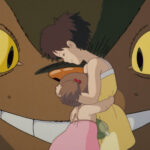
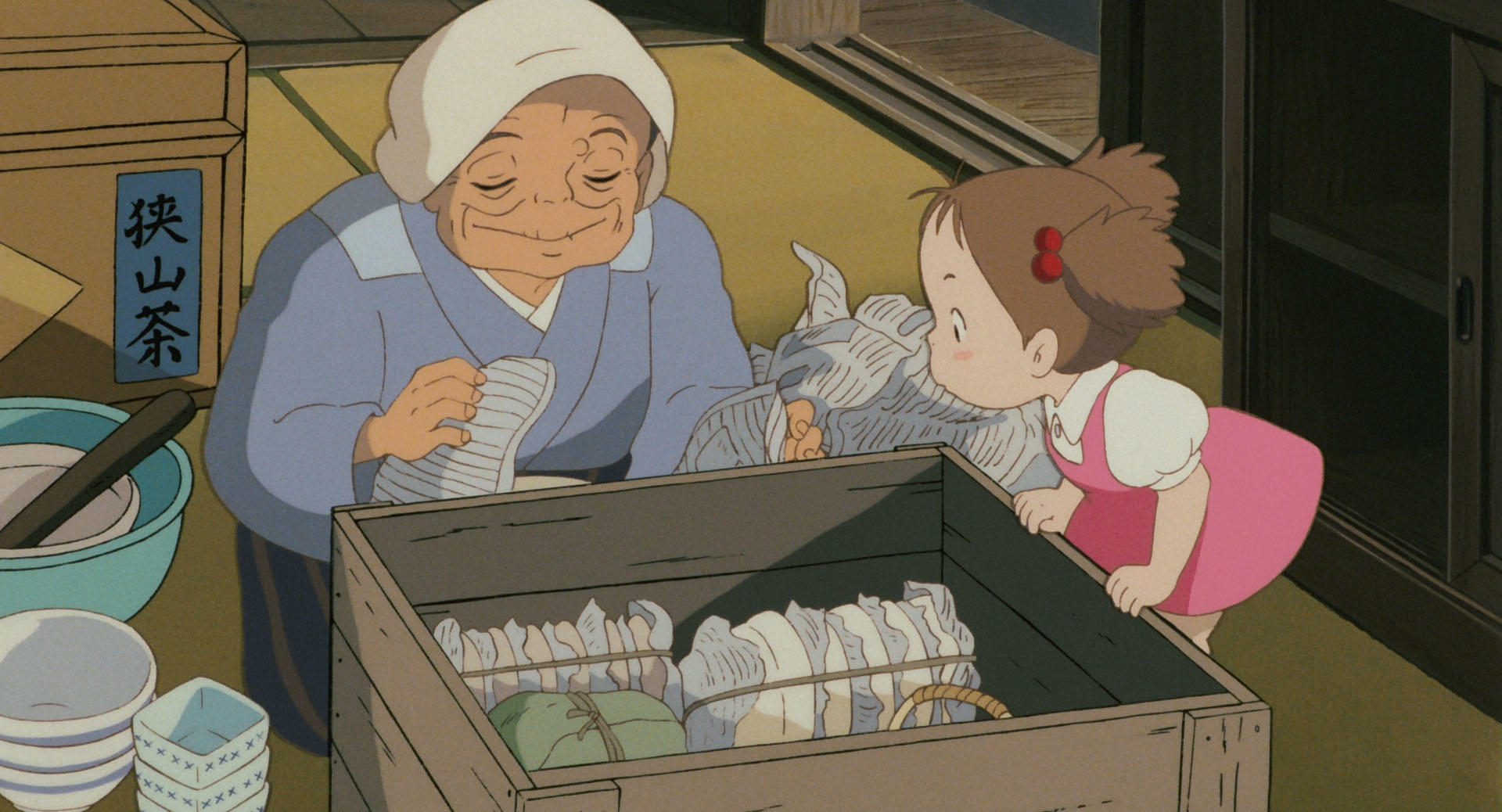
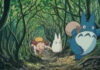
Tatsuo, Satsuki and Mei’s father in My Neighbor Totoro, is the clearest example of a gentle Ghibli dad. He is not written as a superhero. He is distracted, bookish, busy, and sometimes unable to protect his daughters from worry. But he gives them something crucial: trust. When Mei insists she has seen Totoro, Tatsuo does not laugh her out of the room. He treats her experience with curiosity and respect.
That makes him emotionally important even when the film’s most famous figure is a giant forest spirit. Tatsuo helps create the safe domestic frame that lets the children’s imagination breathe. The mother’s illness is frightening. The move is disruptive. The old house is strange. Tatsuo cannot fix all of that, but he can stay warm, attentive and open-hearted. For a film about childhood anxiety, that is enough to matter.
2. Koichi in Ponyo
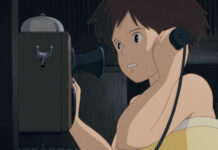
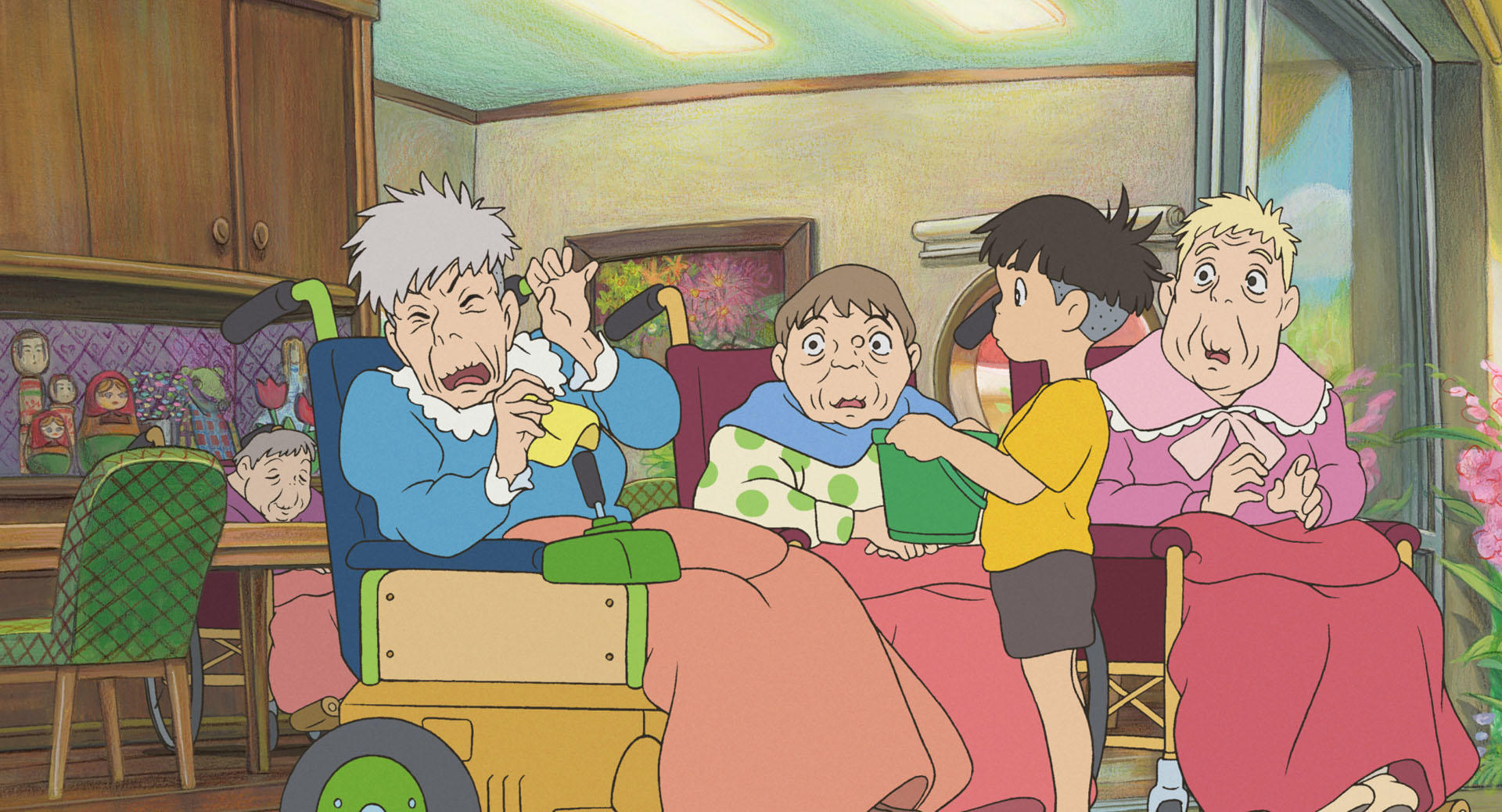
Koichi, Sosuke’s father in Ponyo, is more complicated because he is often away at sea. That absence frustrates Lisa, and the film does not pretend distance is easy. Still, Koichi is not absent because he does not care. He is a working parent whose job pulls him into danger and separation. His signal-light conversation with Lisa and Sosuke gives the family a distinctive emotional language: brief, practical, loving and imperfect.
He represents a very Ghibli kind of parenthood: care has to survive logistics. The family is not idealised into constant togetherness. Love is shown through waiting, messages, routines, worry, and the relief of knowing someone is still out there trying to get home.
3. Caproni and the dream mentor in The Wind Rises
The Wind Rises is not a domestic family film in the same way as Totoro or Ponyo. Its father-figure energy comes through mentors, work, and inherited dreams. Caproni, the Italian aircraft designer who appears in Jiro’s dream life, is not a parent, but he functions like a guide into adulthood. He gives Jiro a language for ambition, beauty and the cost of making things in a flawed world.
That role is double-edged. A mentor can inspire, but also shape what a young person learns to ignore. In the The Wind Rises movie guide, Jiro’s work is never separated from responsibility. Caproni’s father-figure role matters because he represents the seductive voice of craft: build beautifully, dream boldly, and then face the consequences of what the world does with those dreams.
4. Kiki’s distant but loving family background
Kiki’s Delivery Service begins with departure. Kiki’s parents love her, but the story only truly starts when she leaves them. That is one reason the film connects with viewers who are thinking about independence. Her father is not a major plot driver, yet the farewell scene matters. He lifts her one last time, notices that she has grown, and lets her go.
It is a small father moment, but a very accurate one. Sometimes good parenting in Ghibli means not dominating the story. Kiki needs Osono, Ursula, Tombo and her own courage more than she needs a parent to solve the problem. The family foundation exists so she can step beyond it. For more on that growth, the Kiki movie guide is the stronger next read.
5. When fathers are absent or incomplete
Many Ghibli films are shaped by partial families. That does not mean the studio is anti-parent. It means children’s inner lives often become visible when the adults cannot fully protect, explain or accompany them. Illness, work, grief, war, moving house and emotional distance all create spaces where young characters have to notice the world for themselves.
This is why Ghibli father figures can be quiet and still important. The studio rarely treats fathers as the whole answer. Instead, care is distributed: a neighbour, baker, artist, elderly woman, animal companion, teacher, aunt, mother figure or mentor may carry one part of what a child needs. The result feels truer than a single perfect parent saving the day.
What Ghibli says about fatherhood
Studio Ghibli’s father figures tend to be defined by responsibility rather than authority. Tatsuo listens. Koichi keeps connection alive across distance. Kiki’s father lets go. Caproni teaches, but also complicates the ethics of dreaming. None of these roles fit a simple “strict dad” or “hero dad” template.
The recurring idea is that fatherhood, in Ghibli’s world, is a form of stewardship. Adults cannot control the whole future. They can make a room feel safe, pass on a skill, apologise for absence, answer a child’s fear with patience, or show what devotion to work looks like. The danger is that work, dreams or fear can also pull them away. Ghibli lets both truths sit together.
How this compares with Ghibli mothers
Ghibli mothers and mother figures are often more immediately visible because they provide shelter, food, emotional warmth or fierce protection. Fathers are frequently quieter, more distant, or filtered through work. That contrast is useful. It shows how family care can take different forms without making one form automatically better.
If you are exploring Ghibli family themes, pair this article with the guide to Studio Ghibli mothers and mother figures. Together, they show one of the studio’s strongest patterns: children grow not because adults are perfect, but because enough people offer the right kind of care at the right moment.
FAQ
Who is the best Studio Ghibli dad?
Tatsuo Kusakabe from My Neighbor Totoro is the strongest pick because he is gentle, believable and emotionally safe without being unrealistic or overpowered.
Does Studio Ghibli have many father figures?
Yes, but many are subtle. Some are parents, while others are mentors, hosts, workers or adults who give a child one important form of support.
Why are fathers often absent in Ghibli films?
Absence creates room for the child’s journey, but it also reflects real pressures: work, illness, grief, moving house and growing independence. Ghibli usually treats the absence as emotionally meaningful rather than disposable.
Which Ghibli film is best about family?
My Neighbor Totoro is the warmest family pick, while Ponyo is one of the best for everyday parental courage. See also the family-friendly Ghibli watch guide.
Image credit: Official stills from Studio Ghibli works pages on ghibli.jp, including the My Neighbor Totoro works page, used under the studio’s common-sense image-use notice. This article is an independent fan guide and is not affiliated with Studio Ghibli.