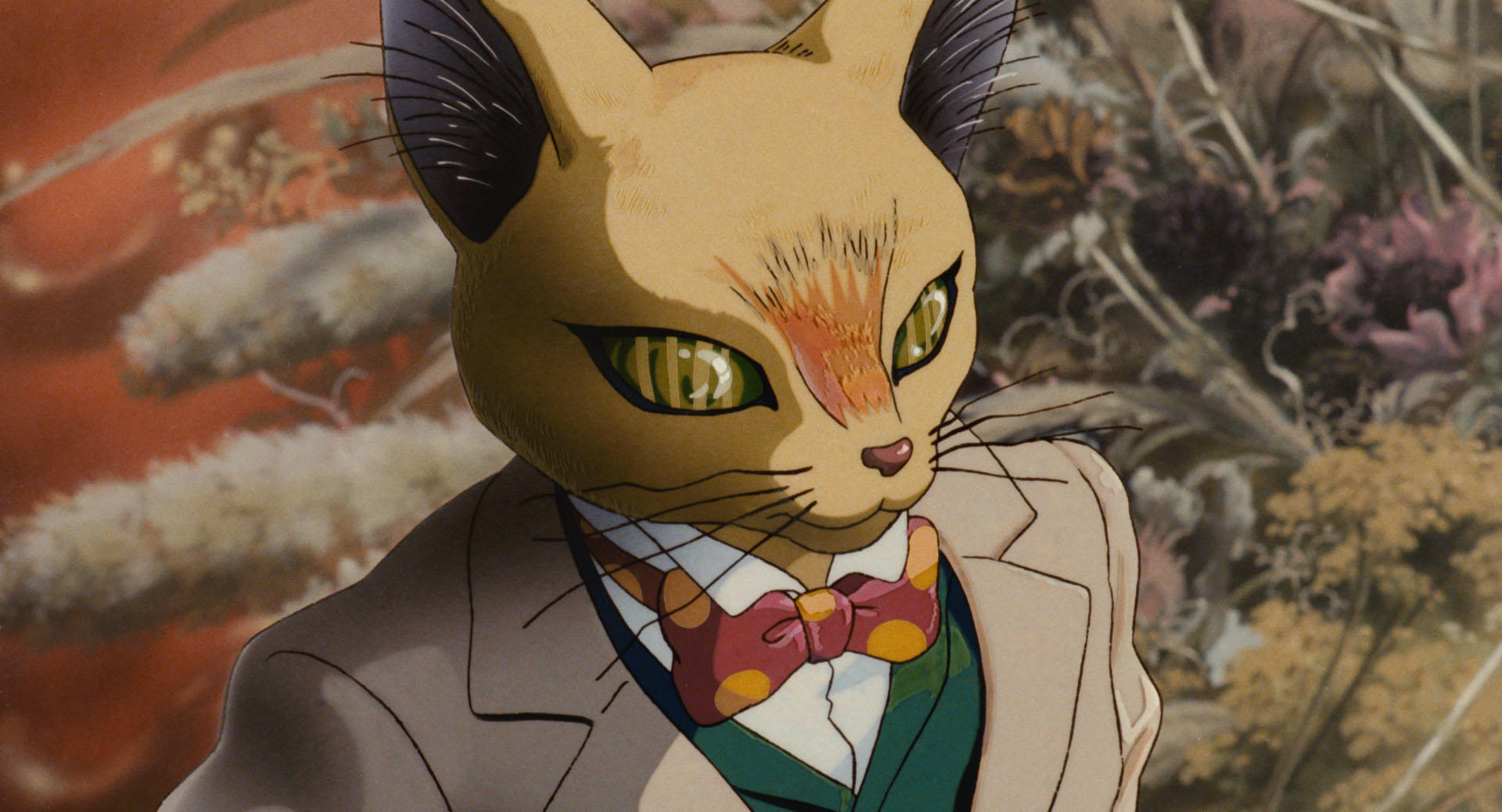
Shizuku Tsukishima is the curious, stubborn, book-loving heroine of Whisper of the Heart, and her story is one of Studio Ghibli’s clearest portraits of creative self-doubt. She is not trying to save a kingdom or break a curse. She is trying to work out whether the person she wants to become is real, or just a daydream she is afraid to test.
That makes Shizuku one of Ghibli’s most relatable teenage characters. Her journey turns school pressure, first love, family friction and artistic ambition into something small-scale but emotionally huge. If you have ever wanted to make something and then panicked when it was time to actually make it, Shizuku’s arc will feel painfully familiar.
Who is Shizuku Tsukishima?
Shizuku is a junior high school student who loves reading, writing lyrics and following odd little clues through everyday life. At the start of the film, she notices the same name appearing on library checkout cards before hers: Seiji Amasawa. That tiny mystery becomes the doorway into a much larger question about talent, discipline and choosing a path.
She lives in a busy family apartment, studies for exams, argues, procrastinates and gets distracted. Those ordinary details are important. Shizuku is not presented as a chosen genius. She is a bright young person with imagination, insecurity and an intense need to know whether her inner world can become something real.
Why Shizuku’s story feels different from other Ghibli heroines
Many Studio Ghibli heroines are tested by visible danger: war, spirits, illness, curses or separation. Shizuku’s danger is quieter. She is afraid of wasting her potential. She is afraid that loving stories does not mean she can write one. She is afraid that Seiji’s discipline exposes her own lack of direction.
That quieter conflict gives Whisper of the Heart its special power. The film understands that adolescence is not only about romance or rebellion. It is also about the first serious encounter with your own limits. Shizuku wants her dream to be beautiful, but the moment she starts writing, the dream becomes work. The fantasy must survive contact with revision, exhaustion and doubt.
The complete Whisper of the Heart movie guide places Shizuku’s creative test within the wider story, characters, ending and family viewing context.
Shizuku and Seiji: first love as motivation, not rescue
Seiji matters because he challenges Shizuku without saving her. He has already committed himself to making violins, and his confidence unsettles her. At first, this can feel like comparison. Why does he seem to know where he is going when she still feels scattered?
But the film does not reduce Shizuku’s growth to romance. Seiji gives her a mirror, not a finished identity. His ambition pushes her to ask what she wants to test in herself. The most important part of their relationship is not that he makes her complete. It is that his seriousness makes her take her own creative desire seriously.
This is why their story remains sweet without becoming shallow. They are young, idealistic and sometimes dramatic, but the emotional engine is honest. First love here is connected to becoming braver, not disappearing into someone else’s dream.
What Shizuku’s writing says about creativity
Shizuku’s decision to write a story is one of the film’s strongest sections because it treats creativity as both magical and uncomfortable. The Baron, the fantasy world and her imagination feel romantic, but the actual act of writing is tiring. She doubts the structure, pushes herself too hard, neglects schoolwork and worries that the result is childish.
That tension is the point. Shizuku has to learn that a first serious piece of work does not need to be perfect in order to matter. It can be rough and still prove something. It can be unfinished in spirit and still show her the next step. The courage is not in producing a masterpiece at fourteen. The courage is in discovering that the dream asks for labour.
Shizuku’s family pressure and school anxiety
One reason Shizuku feels real is that the film never pretends her choices happen in a vacuum. Her parents care about her studies. Her sister gets frustrated with her. Exams and ordinary responsibilities do not vanish because she has discovered an artistic calling.
This makes the film more mature than a simple follow-your-dreams message. Shizuku’s family is not villainous, but they also cannot fully understand the urgency she feels. The pressure around school gives her creative experiment a deadline and a cost. She is learning that choosing art does not mean escaping life. It means fitting desire, discipline and responsibility into the same imperfect day.
Why the Baron matters to Shizuku
The Baron becomes the elegant centre of Shizuku’s imagined story, but his meaning goes beyond charm. He gives shape to the kind of story she wants to tell: romantic, mysterious, a little old-fashioned and full of longing. Through him, Shizuku turns scattered fascination into a concrete creative project.
The antique shop works in a similar way. It is a place where ordinary Tokyo opens into memory, craft and fantasy. For Shizuku, that space suggests that stories are hidden inside objects, streets and people if she pays attention. Her imagination is not an escape from the real world. It is a deeper way of looking at it.
Shizuku’s main lesson
Shizuku’s arc is about testing a dream honestly. At the beginning, she loves books from the safe side of the page. By the end, she has crossed over into the frightening position of someone who makes something and lets another person read it.
That is a major emotional step. The film’s most useful lesson is not that Shizuku is guaranteed success. It is that she now knows the difference between liking an idea and working at it. She has felt the fear, made the attempt and learned that self-doubt is not a stop sign.
Why fans remember Shizuku
Fans remember Shizuku because she captures the exact age when private dreams start asking public questions. Am I good enough? Do I have a talent, or only a fantasy? Can I love someone and still become myself? What happens if the thing I make is not as beautiful as the thing in my head?
Whisper of the Heart answers those questions gently. It says that a young person does not need a perfect plan to begin. They need attention, effort, encouragement and enough courage to make one honest attempt.
Shizuku FAQ
Is Shizuku a writer?
Shizuku is an aspiring writer. The film shows her first serious attempt at writing a fantasy story, which becomes a way for her to test whether storytelling is something she truly wants to pursue.
Does Shizuku end up with Seiji?
The ending suggests a hopeful romantic bond between Shizuku and Seiji, but the film is more interested in shared ambition and emotional courage than in giving a final adult answer to their future.
What does Shizuku learn?
She learns that talent has to be tested through work. Loving stories is not the same as writing one, but the attempt teaches her more than daydreaming ever could.
Is Whisper of the Heart good for teenagers?
Yes. It is one of Ghibli’s strongest films for teenagers because it treats school stress, first love, self-doubt and creative ambition with warmth and seriousness.
For more character-focused reading, see the Baron character guide, the broader Studio Ghibli coming-of-age movies guide, and the beginner-friendly Ghibli starting guide.
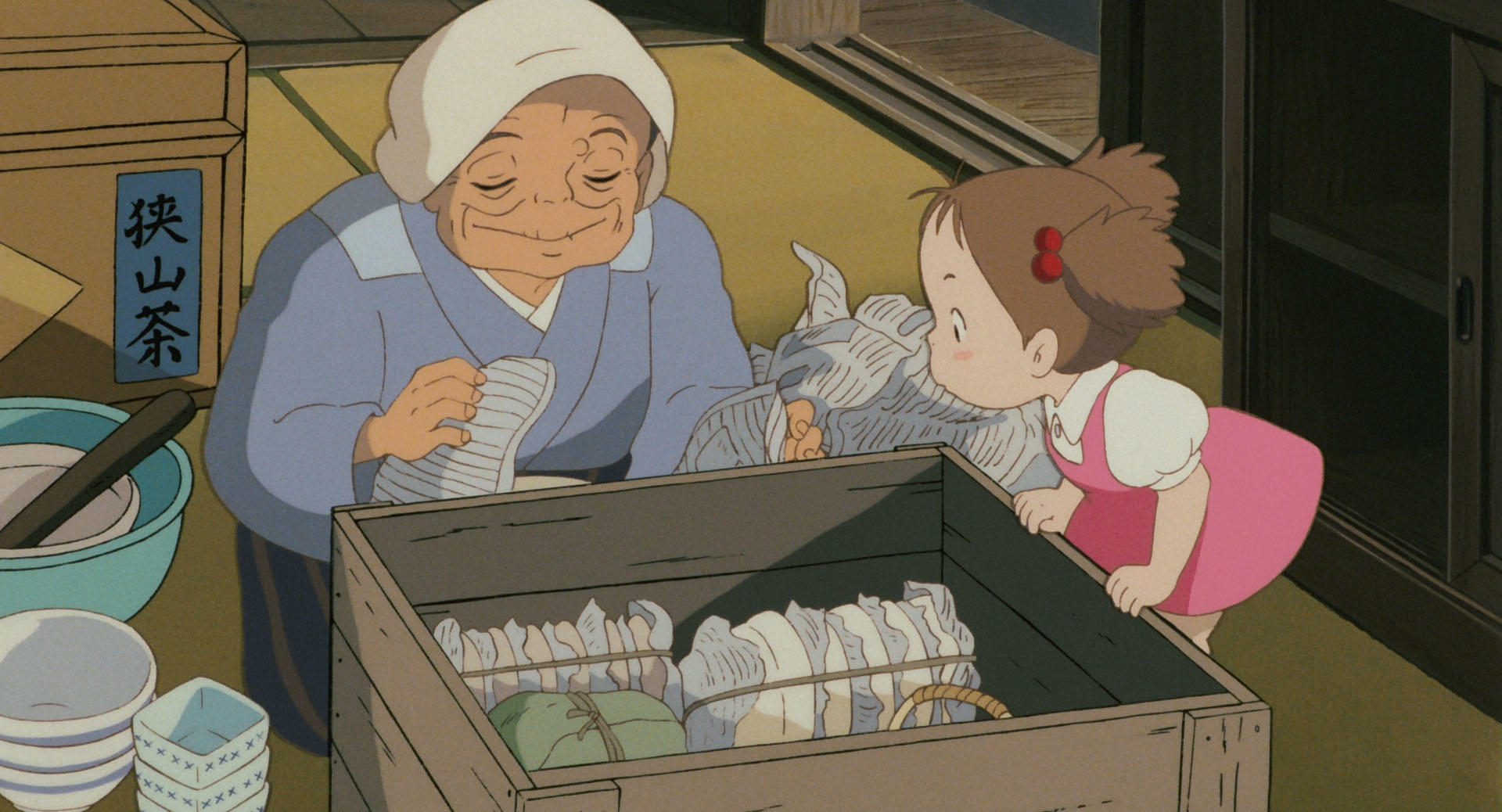
Image note: the still used here comes from Studio Ghibli’s official Whisper of the Heart works page, which includes the common-sense image-use notice.