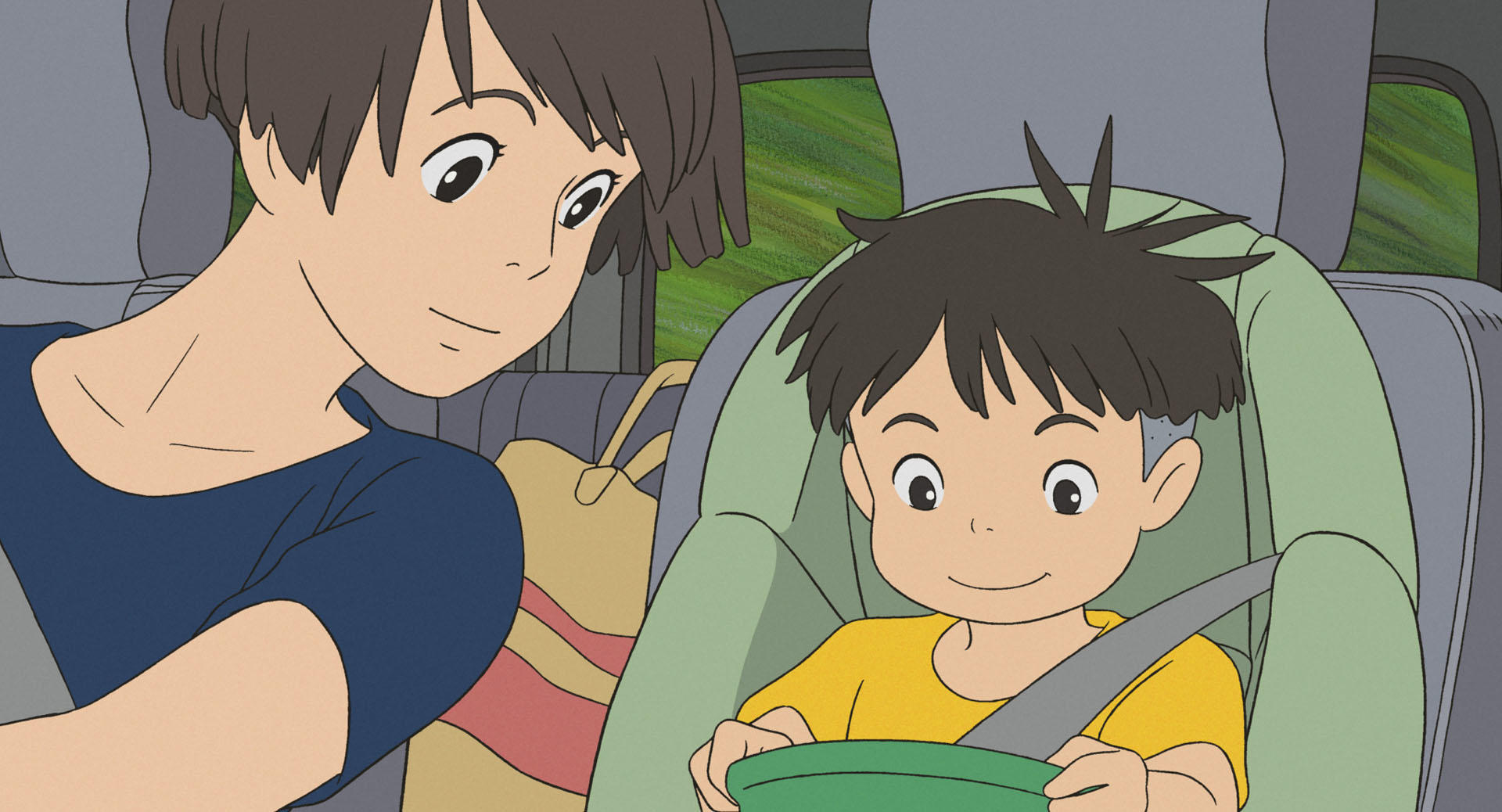
The best Studio Ghibli food scenes are not just pretty drawings of meals. They are tiny character moments: comfort after fear, proof that a place is alive, a family routine, or a temptation that changes the story. If you are looking for the most memorable Ghibli meals, this guide rounds up the scenes that fans keep returning to, with spoiler-light context and suggestions for what to watch next.
Quick list: the Studio Ghibli food scenes people remember most
- Ponyo’s ramen in Ponyo, warm, simple, and instantly comforting.
- Chihiro’s parents at the food stalls in Spirited Away, a feast that turns into a warning.
- Sophie cooking breakfast in Howl’s Moving Castle, where food becomes domestic magic.
- Kiki’s bakery life in Kiki’s Delivery Service, showing food as work, kindness, and community.
- Satsuki’s packed lunches in My Neighbor Totoro, a tiny portrait of family responsibility.
- Castle meals and shared snacks in Castle in the Sky, where adventure still needs pauses for care.
1. Ponyo’s ramen: the coziest bowl in Ghibli
Ponyo turns instant ramen into one of the studio’s warmest images. The scene works because it is not trying to make the food impressive. It is simple, steaming, and safe. Sosuke and Ponyo have been through a strange, stormy day, and the meal gives the film a brief feeling of ordinary home life before the magic rises again.
That is why the scene is so shareable. It has the same appeal as a rainy-day blanket or a late-night snack. The animation lingers on the egg, ham, noodles, and hot broth because the point is emotional clarity: someone is taking care of someone else. If you want a gentle entry point for younger viewers, this is one of the reasons Ponyo works so well as a family Ghibli movie.
2. Spirited Away’s food stalls: beautiful, dangerous, unforgettable
The food in Spirited Away is deliberately overwhelming. At first, the empty stalls look like a reward: plates piled high, steam everywhere, and a mysterious town that seems to be waiting for customers. Then the scene shifts into one of the film’s clearest warnings about greed, appetite, and crossing boundaries you do not understand.
It is one of Ghibli’s best uses of food because the meal changes the plot. Chihiro’s parents do not just eat. They ignore her fear, assume the rules do not apply to them, and become part of the spirit world’s trap. If you are building a watch order, this is also a good example of why Spirited Away often belongs near the start of a beginner Ghibli route: it is accessible, but it also shows how layered the studio can be.
3. Howl’s Moving Castle breakfast: eggs, bacon, and domestic magic
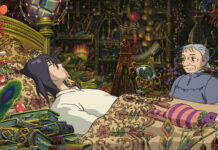
Some Ghibli food scenes are comforting because they look delicious. The breakfast scene in Howl’s Moving Castle does that, but it also does more. Sophie, Howl, Markl, and Calcifer are still figuring out what kind of household they are becoming. Cooking gives them a shared rhythm before the wider story pulls them back into curses, war, and difficult choices.
The eggs and bacon are memorable partly because Calcifer is involved. The fire demon is both a magical force and a grumpy kitchen helper. That mix is very Ghibli: the impossible sits right beside the ordinary. For more context on the characters and the film’s emotional logic, see the site’s Howl’s Moving Castle ending explainer.
4. Kiki’s bakery: food as work, kindness, and belonging
Kiki’s Delivery Service does not revolve around one giant feast. Its food scenes matter because they show everyday community. The bakery gives Kiki a place to stay, a job, and a way to be useful in a town where she initially feels awkward and alone. Bread, cakes, and deliveries become part of her coming-of-age story.
This is a different kind of comfort from Ponyo. Kiki’s food world is tied to responsibility. She has to show up, help customers, navigate mistakes, and rebuild confidence when her magic falters. That makes the bakery scenes especially good for viewers interested in the studio’s quieter stories about work and growing up. The Kiki’s Delivery Service beginner guide is the best next read if you want a fuller route into the film.
5. My Neighbor Totoro’s lunches: small details, big family feeling
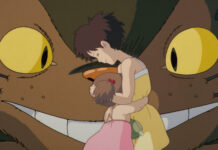
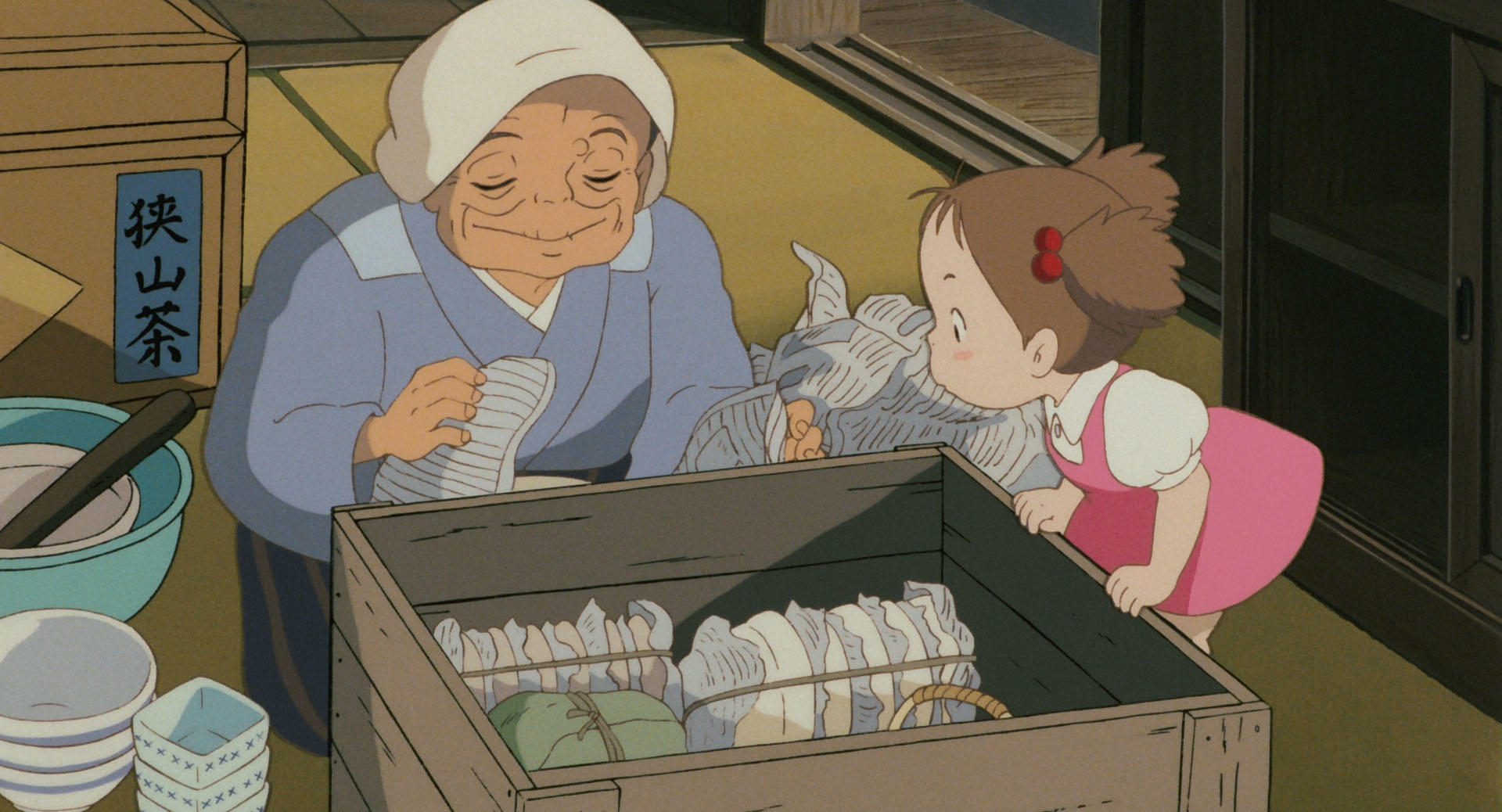
Ghibli often uses food to show family without turning the scene into exposition. In My Neighbor Totoro, packed lunches and kitchen routines tell us a lot about Satsuki, Mei, and their father. Satsuki is still a child, but she is also helping hold the household together while her mother is away. The food details make that responsibility visible.
These scenes are easy to overlook because Totoro himself is the image most people remember. But the grounded family texture is what makes the magical encounters feel believable. The fantasy lands because the home life feels real first. If you are choosing films for a gentle family watch, pair this with the site’s parent-friendly Ghibli starter guide.
6. Castle in the Sky: adventure still needs food
Castle in the Sky is faster and more adventurous than many cozy Ghibli picks, but its food moments still matter. Shared meals and snacks give the story a human pulse between chases, airships, pirates, and ancient technology. Pazu and Sheeta are not just symbols in a fantasy plot. They are tired, hungry kids trying to trust each other.
That practical detail is one reason the film still works as an adventure blueprint. Ghibli’s worlds can be huge, but they rarely forget the body: hunger, sleep, weather, and shelter all matter. For character context, the Castle in the Sky characters guide connects the movie’s relationships to its sense of movement and danger.
Why Ghibli food scenes feel so good
The obvious answer is craft. Ghibli animators make steam, texture, weight, and movement feel physical. But the deeper answer is placement. These meals arrive at the exact moment the story needs warmth, risk, temptation, relief, or routine.
Food in Ghibli is rarely just decoration. It often answers a question the viewer is already feeling. Is this place safe? Is this family okay? Is this character being cared for? Is something too good to be trusted? That is why even small snacks can stay in memory for years.
Best Ghibli movies to watch if you love food scenes
- Start with Ponyo if you want cozy comfort and childlike wonder.
- Watch Spirited Away if you want food tied to danger, rules, and transformation.
- Choose Howl’s Moving Castle for domestic fantasy and magical household energy.
- Pick Kiki’s Delivery Service for bakery warmth, independence, and work-life themes.
- Rewatch My Neighbor Totoro for quiet family details and everyday tenderness.
FAQ
What is the most famous Studio Ghibli food scene?
For many viewers, the most famous Ghibli food scenes are the ramen in Ponyo, the breakfast in Howl’s Moving Castle, and the food stall sequence in Spirited Away. They are remembered for different reasons: comfort, domestic magic, and danger.
Which Studio Ghibli movie is best for cozy food vibes?
Ponyo is probably the easiest cozy food pick, followed by Kiki’s Delivery Service and My Neighbor Totoro. If you want something more romantic and magical, choose Howl’s Moving Castle.
Are Ghibli food scenes good for kids?
Most are gentle, but context matters. Ponyo, Totoro, and Kiki are the safest cozy choices. Spirited Away has a food scene that is visually fascinating but also unsettling, so sensitive younger viewers may need context.
Image source: official Studio Ghibli still from ghibli.jp. Studio Ghibli’s official work pages include the usage note: ※画像は常識の範囲でご自由にお使いください。