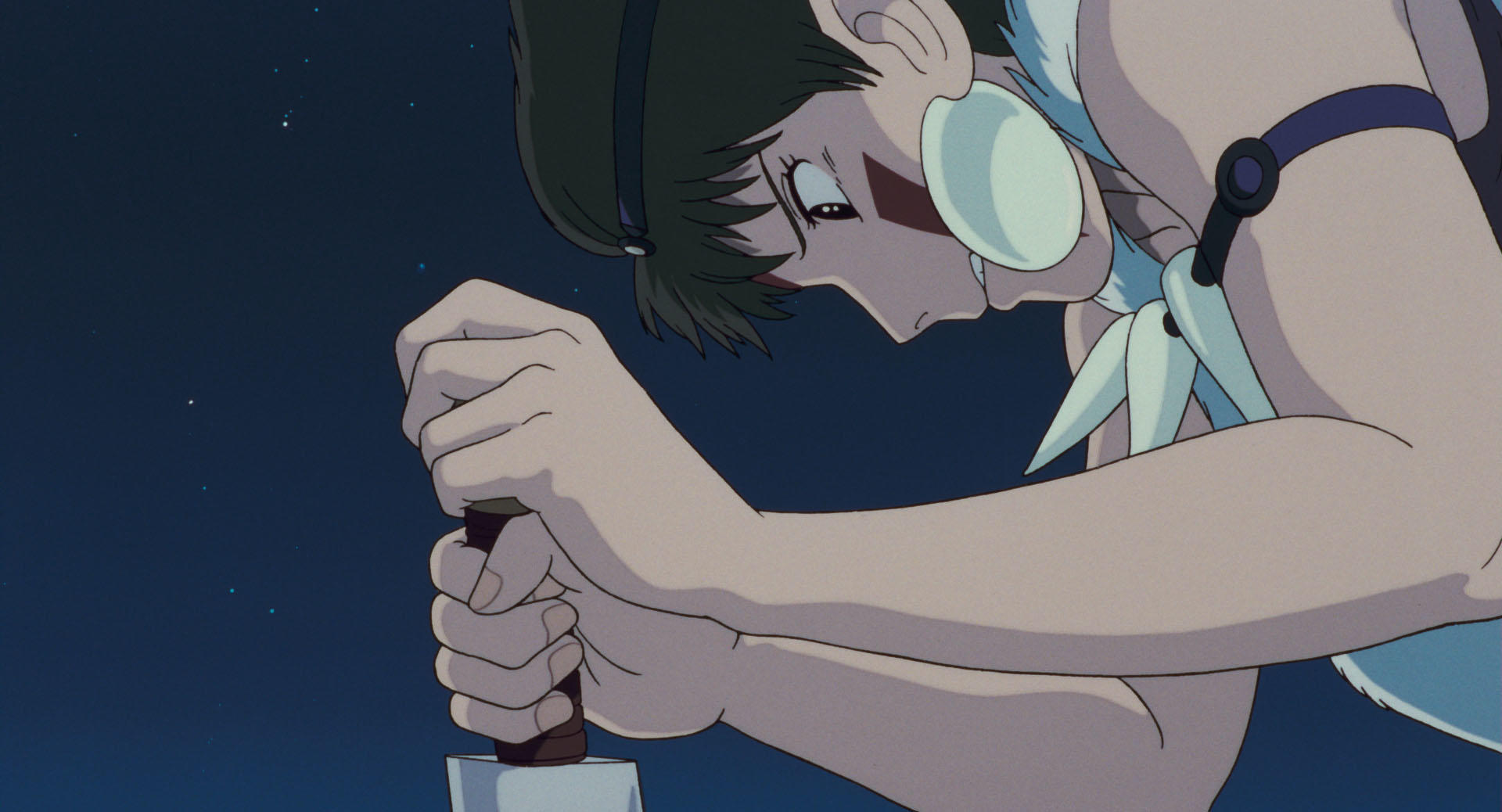
Quick answer: the Studio Ghibli movies that most directly explore nature and environmental themes are Nausicaä of the Valley of the Wind, Princess Mononoke, My Neighbor Totoro, Ponyo, and Pom Poko. They do not all make the same argument. Some are gentle and observational. Some are angry, mythic, and politically complicated. Together, they show why Ghibli’s view of nature feels richer than a simple “humans bad, forest good” message.
Ghibli nature stories tend to start from attention. Wind moves through grass. Rain changes the mood of a street. A forest is not just a backdrop, it has its own timing. The ocean is not just pretty, it can be playful, dangerous, hungry, and alive. That is why these films still work for viewers who are not looking for a lecture. The environmental ideas are built into the characters, the setting, the food, the machines, and the quiet moments between the big scenes.
Princess Mononoke: nature as conflict, not decoration
Princess Mononoke is Ghibli’s most forceful environmental epic. The forest is sacred, but the human settlement is not treated as a cartoon villain. Lady Eboshi destroys parts of the forest, yet she also protects people who have nowhere else to go. The wolves, boars, apes, gods, and humans all have reasons, wounds, pride, and fear. That complexity is why the film stays powerful. It asks what happens when survival, industry, revenge, and reverence for nature all collide.
The Forest Spirit is especially important because it resists easy interpretation. It gives life and takes life. It is beautiful and terrifying. It is not a pet mascot for the audience. If you want the deeper ending-focused version, read our Princess Mononoke ending explained guide after watching the film.
Nausicaä: pollution, war, and ecological humility
Nausicaä of the Valley of the Wind is often discussed alongside Ghibli even though it predates the official founding of the studio. It belongs in any nature-themed viewing route because it sets out so many ideas that later Ghibli films keep returning to: poisoned landscapes, misunderstood creatures, human panic, military escalation, and the need to observe before destroying what frightens us.
The Toxic Jungle looks hostile at first, but the film gradually changes the question. Instead of asking how humans can conquer the jungle, it asks whether humans understand it at all. Nausicaä’s gift is not that she is stronger than everyone else. It is that she pays attention. She studies spores, insects, wind, fear, and grief. In Ghibli terms, environmental wisdom often starts there: slow down enough to see what is actually happening.
My Neighbor Totoro: everyday nature as childhood memory
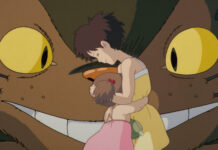
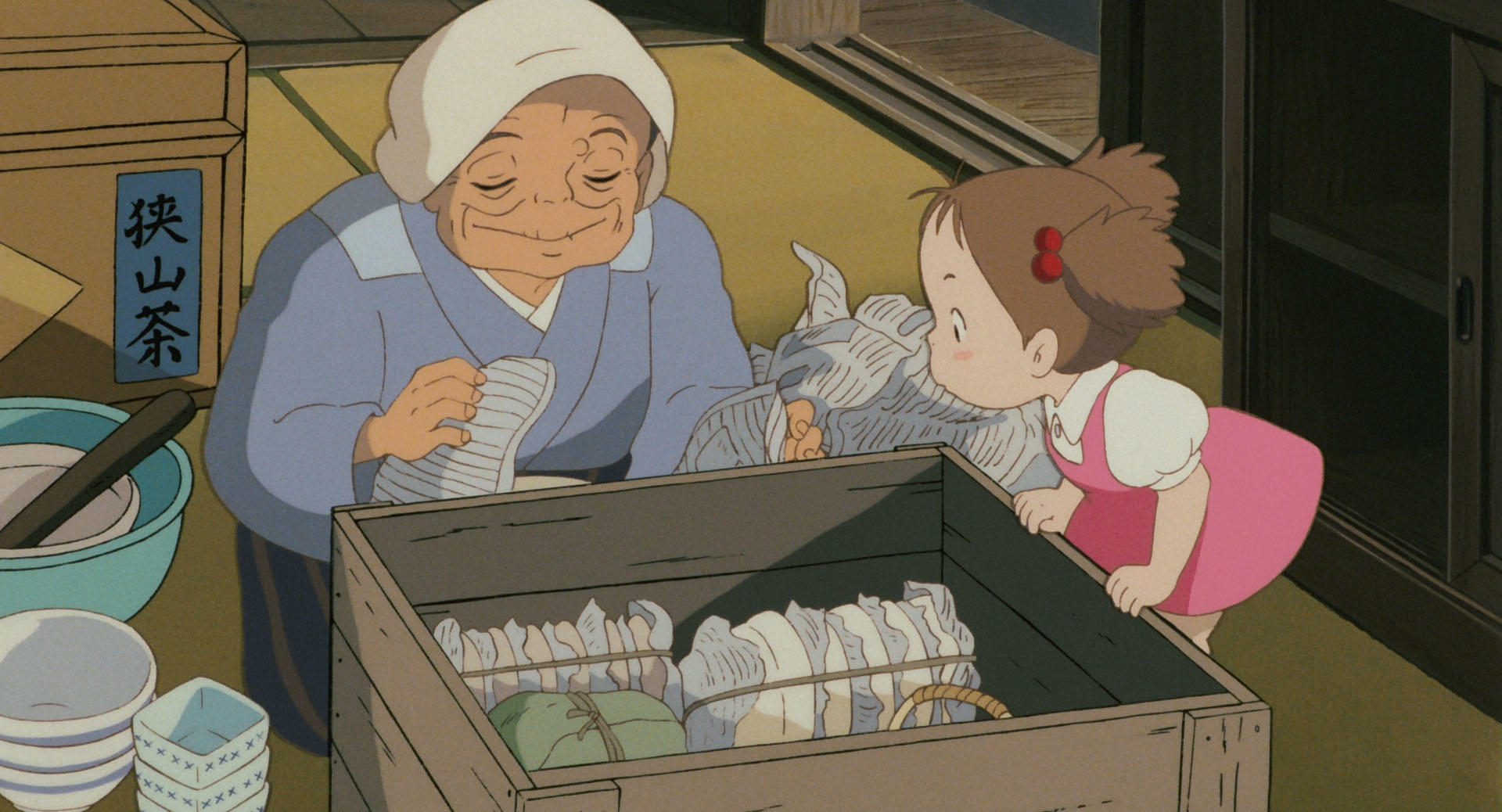
My Neighbor Totoro is the gentlest film on this list, but it may be the most effective at making nature feel emotionally valuable. The trees, fields, dust, rain, frogs, vegetables, and camphor tree do not exist to deliver a speech. They create a childhood world where mystery is close to ordinary life. Totoro is memorable because he feels like a forest presence a child might almost believe in after moving to the countryside.
This is environmental storytelling at the level of affection. If a film can make a child love a tree, a garden, a rainy bus stop, or the sound of wind in leaves, it has done something useful before it ever becomes an argument. That is why Totoro remains one of the best first Ghibli movies for families following our beginner-friendly Studio Ghibli watch order.
Ponyo: the ocean as magic, appetite, and imbalance
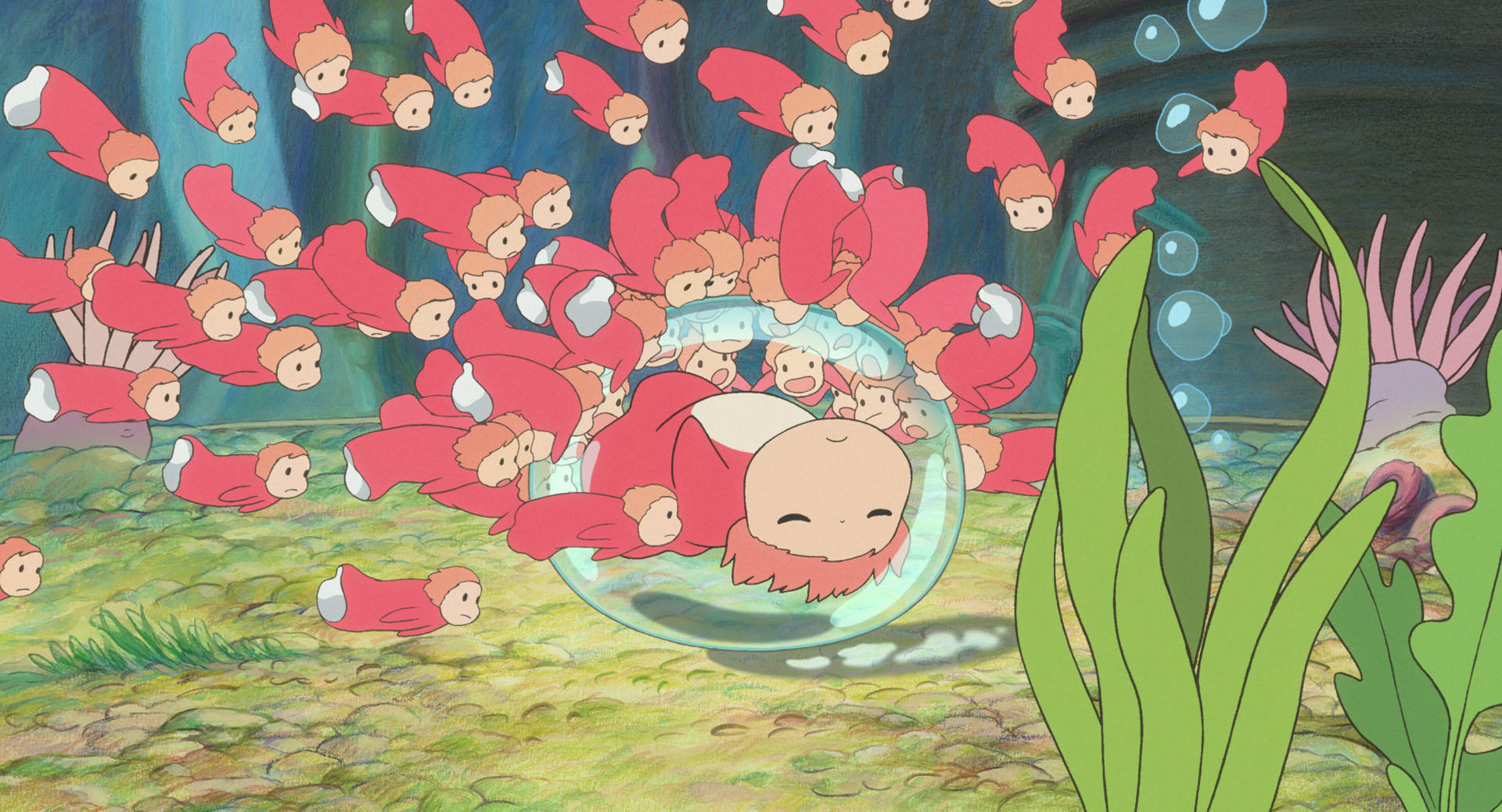
Ponyo treats the sea like a living fairy tale. It is playful, colourful, and full of motion, but it is not fully safe. When Ponyo’s magic spills into the human world, the ocean rises and everyday life turns strange. The film is less political than Mononoke or Nausicaä, but it still understands imbalance. Love, curiosity, and freedom are wonderful, yet they can unsettle everything around them.
That makes Ponyo a useful environmental film for younger viewers. It does not need to explain climate anxiety or marine ecology directly. It lets children feel that the sea is alive and that the boundary between human comfort and natural force is thinner than it looks. For more on the story and characters, use our Ponyo movie guide.
Pom Poko: habitat loss with teeth
Pom Poko can look comic from a distance because it is about shape-shifting tanuki, but it is one of Ghibli’s bluntest films about habitat loss. The tanuki are funny, chaotic, theatrical, and sometimes ridiculous, yet their problem is painfully simple: development is eating their home. The film turns urban expansion into something visible and emotional. Forest loss is not an abstract map change. It is the end of a way of life.
What makes Pom Poko interesting is that it does not offer an easy fantasy victory. The tanuki resist, perform, adapt, fail, and survive unevenly. The comedy makes the sadness sharper because the characters are so alive. For older children and adults, it is one of the clearest Ghibli films about the cost of treating land as empty just because humans want to build on it.
Our complete Pom Poko movie guide goes deeper into the tanuki’s resistance, the spirit parade, the bittersweet ending and age suitability.
The Wind Rises: beauty, machines, and moral cost
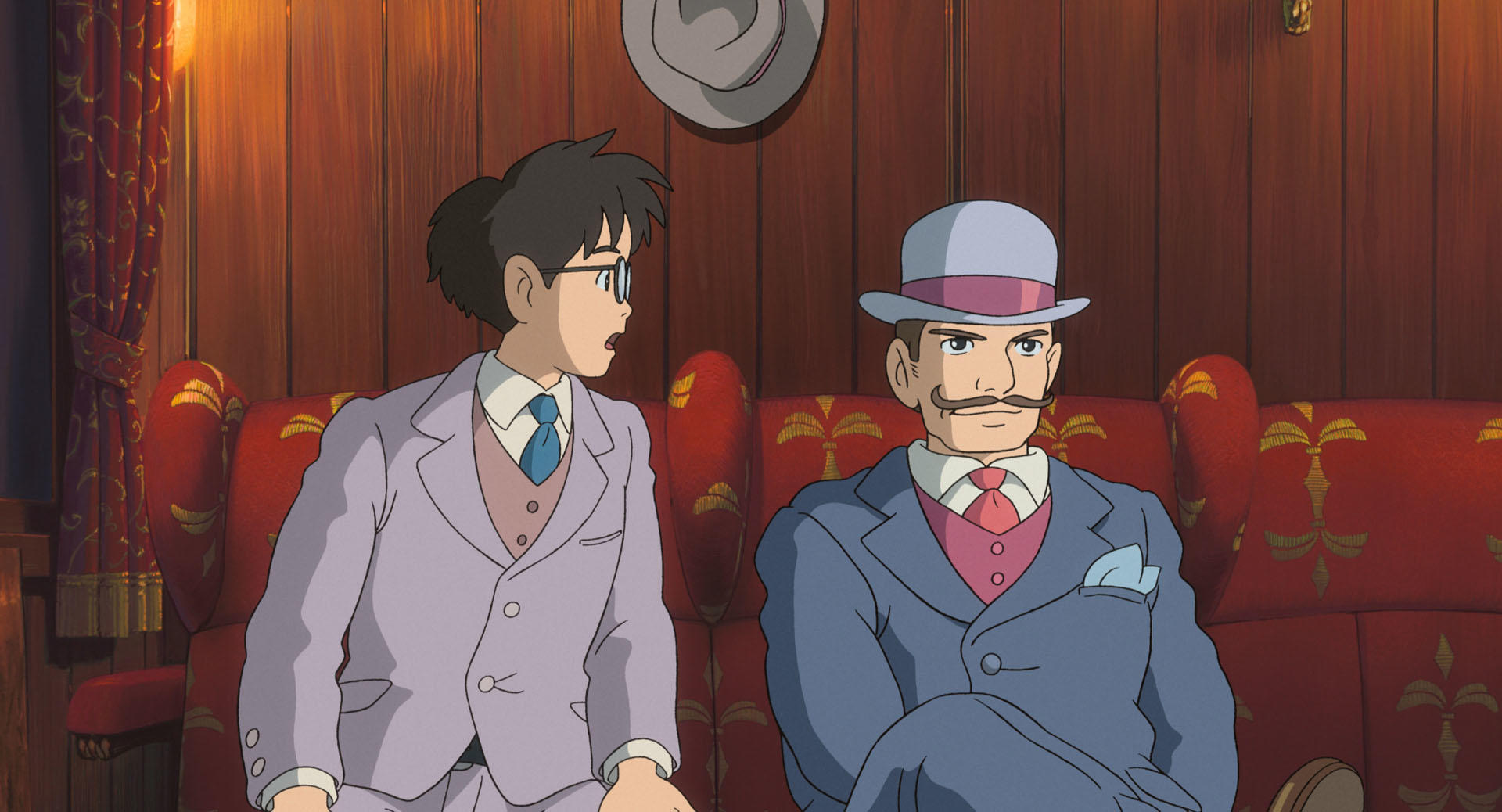
The Wind Rises is not an environmental film in the same obvious way, but it belongs near this conversation because it is obsessed with wind, sky, engineering, beauty, and consequence. Jiro dreams of flight. The film understands the elegance of aircraft and the romance of looking upward. It also understands that beautiful machines can be pulled into destructive systems.
That tension is very Ghibli. Nature is not only forests and animals. It is also air, weather, illness, earthquakes, landscapes, and the fragile human desire to make something beautiful inside a damaged world. The Wind Rises is better for older viewers, but it adds a mature layer to Ghibli’s long-running question: what does it mean to create when creation is tied to harm?
Best viewing route for Ghibli nature themes
| If you want… | Start with | Then watch |
|---|---|---|
| A gentle family nature film | My Neighbor Totoro | Ponyo |
| A big environmental epic | Nausicaä | Princess Mononoke |
| A habitat-loss story | Pom Poko | Only Yesterday |
| A mature reflection on beauty and consequence | The Wind Rises | Porco Rosso |
Why Ghibli nature stories still feel different
The best Ghibli nature films avoid turning the natural world into a slogan. They leave room for awe, fear, boredom, work, hunger, grief, and ordinary daily life. A forest can be sacred and dangerous. A town can be destructive and humane. A machine can be beautiful and morally compromised. A child can understand something an adult has forgotten, but that does not mean the solution is simple.
That is why these movies reward rewatches. When you are young, you may remember Totoro grinning in the rain or Ponyo running over waves. Later, you may notice Lady Eboshi’s refugees, Nausicaä’s patience, Pom Poko’s loss, or the way wind in a Ghibli film often feels like a character. The environmental message lasts because it is carried by images and choices, not just speeches.
FAQ
What is the most environmental Studio Ghibli movie?
Princess Mononoke is the strongest single pick for older viewers, while Nausicaä of the Valley of the Wind is essential for understanding Ghibli’s ecological imagination.
Which Ghibli nature film is best for kids?
My Neighbor Totoro is the safest choice for younger children. Ponyo is also excellent, especially for kids who love the ocean and fairy-tale energy.
Is Princess Mononoke suitable for children?
It is usually better for older children or teens. The film includes violence, blood, curses, and intense conflict, even though its environmental themes are important.
For broader browsing, continue with the Studio Ghibli movies in order guide or explore related film guides across the site.
Image source note: featured and inline stills are official Studio Ghibli images from ghibli.jp work pages, which include the notice: “※画像は常識の範囲でご自由にお使いください。”