Studio Ghibli’s witches are not one simple type of character. Kiki is a young witch learning confidence and work. Zeniba is a powerful old witch who turns out to be kinder than she first appears. The Witch of the Waste is vain, dangerous and lonely. Earwig is not a traditional Ghibli heroine, but she adds a cheekier, more manipulative version of witchcraft to the studio’s catalogue.
This guide compares the most important witch figures in Studio Ghibli movies, what their magic means, and why Ghibli often treats witchcraft as a question of personality, responsibility and self-knowledge rather than just spells. It is spoiler-light where possible, but it discusses character arcs and broad story meaning.
Quick answer: who are Studio Ghibli’s main witches?
The main witch figures to know are:
- Kiki from Kiki’s Delivery Service, a young witch whose magic is tied to independence and confidence.
- Zeniba from Spirited Away, a powerful witch who complicates the idea of good and bad magic.
- The Witch of the Waste from Howl’s Moving Castle, a curse-caster whose vanity hides need, fear and dependency.
- Earwig from Earwig and the Witch, a child who treats magic as leverage before she understands it as craft.
Kiki: witchcraft as growing up
Kiki is the studio’s clearest and most beloved witch because her magic is ordinary and emotional at the same time. She can fly on a broom, talk to Jiji and follow a coming-of-age tradition, but the film is less interested in spectacular spells than in the hard parts of independence: earning money, disappointing people, losing confidence and finding a place to belong.
That is why Kiki’s character arc has lasted so well with fans. Her witchcraft is not a superhero power. It is a talent that depends on focus, identity and self-trust. When she burns out, the loss of magic feels like the loss of creative energy or professional confidence. The film makes witchcraft feel practical: deliveries, weather, customers, kindness and daily work.
Zeniba: the witch who changes the moral temperature
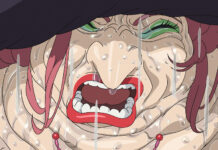
Zeniba is one of Ghibli’s best examples of a character who changes meaning once the story slows down. In Spirited Away, she is introduced through fear and consequence. She is connected to stolen property, curses and danger. But when Chihiro reaches her cottage, Zeniba becomes something else: domestic, direct, forgiving and strangely comforting.
That shift matters. Zeniba shows that Ghibli magic is often shaped by conduct rather than category. A witch can be frightening, but she can also knit, host, forgive and give a child enough space to act honestly. Compared with Yubaba’s bathhouse power, Zeniba’s home feels smaller and warmer. It is magic with boundaries rather than magic as business.
The Witch of the Waste: vanity, curses and dependency
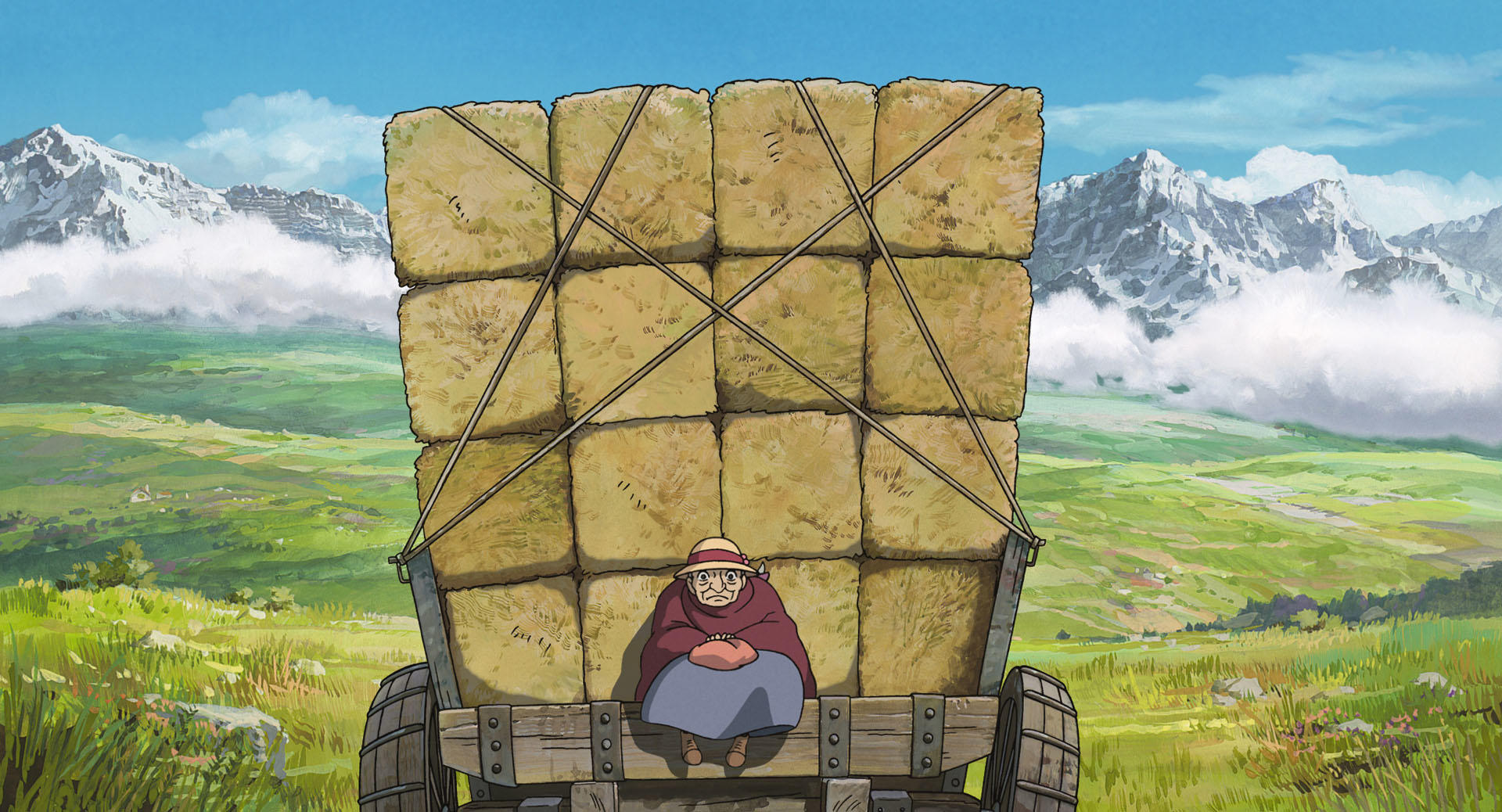
The Witch of the Waste is a very different kind of witch. In Howl’s Moving Castle, she first appears as a glamorous threat: jealous, theatrical and powerful enough to curse Sophie into old age. She fits the fairy-tale idea of a dangerous witch more closely than Kiki or Zeniba do.
But Ghibli does not leave her there. As the story continues, her grandeur collapses into vulnerability. The film strips away her performance and shows a character who is still selfish, still hungry for power, but also needy and diminished. That does not excuse her curse. It makes her more interesting than a simple villain. She becomes a warning about wanting beauty, youth and possession so badly that your own magic turns hollow.
Earwig: magic as control before responsibility
Earwig and the Witch divides Ghibli fans, partly because its CG style and cheekier tone feel so different from the studio’s hand-drawn classics. But Earwig is still useful in a witchcraft discussion because she approaches magic from a very different angle. She is clever, stubborn and transactional. She wants to understand the rules so she can use them.
That makes her less gentle than Kiki and less mysterious than Zeniba. Earwig’s witchcraft is about control: how to survive in a house where adults have power, how to bargain, and how to turn a bad situation to her advantage. Whether viewers like that tone or not, it expands the Ghibli witch spectrum beyond the kind young witch and the old wise witch.
Why Ghibli witches are rarely just “good” or “evil”
Across these films, witchcraft is less about moral labels and more about how a character uses power. Kiki’s magic weakens when her sense of self is shaken. Zeniba’s power becomes kind when separated from greed and performance. The Witch of the Waste begins as a curse-caster but ends as something sadder and smaller. Earwig uses cleverness before she fully understands care.
This is one reason Ghibli’s witches feel human. They are not simply Halloween decoration. They show different relationships to work, age, beauty, independence, fear and control. Their magic reveals pressure points that ordinary characters also have.
How witches connect to other Ghibli magic
Ghibli witchcraft also sits beside other kinds of magic: river spirits, forest gods, soot sprites, moving castles, flying machines and talking cats. Compared with those, witch magic is often more personal. It comes through a person’s craft, mood, home or habits. Kiki’s broom, Zeniba’s cottage and Calcifer’s hearth all make magic feel lived-in rather than abstract.
If you like this side of the studio, read the Ghibli dragons guide, the movies about flying guide and the Howl’s Moving Castle characters guide. They show how often Ghibli treats magic as emotional language.
Best Ghibli witch movie to start with
If you want the best starting point, choose Kiki’s Delivery Service. It is the clearest witch story, the easiest to recommend broadly and the most direct about what magic means to the character. If you want darker fairy-tale magic, choose Howl’s Moving Castle. If you want mysterious, symbolic magic, choose Spirited Away. If you are curious about the studio’s oddest witch entry, try Earwig and the Witch after the classics.
FAQ
Is Kiki the main Studio Ghibli witch?
Yes. Kiki is the studio’s most iconic witch and the clearest example of a Ghibli film built around witchcraft as a coming-of-age idea.
Is Yubaba a witch?
Yubaba is often read as a witch-like figure because of her spells, contracts and supernatural power, but the film frames her mainly as a bathhouse owner and magical authority. Zeniba is the cleaner witch comparison in Spirited Away.
Is the Witch of the Waste evil?
She does cruel things, especially to Sophie, but Ghibli complicates her rather than keeping her as a flat villain. She becomes vain, dangerous, needy and pitiable at once.
Which Ghibli witch movie is best for kids?
Kiki’s Delivery Service is usually the best first choice. Howl’s Moving Castle and Spirited Away can be more intense depending on the child.
Image credit: Official stills from Studio Ghibli works pages on ghibli.jp, including the Kiki’s Delivery Service works page, used under the studio’s common-sense image-use notice. This article is an independent fan guide and is not affiliated with Studio Ghibli.