Quick answer: the best Studio Ghibli movies for artists and creative burnout are Kiki’s Delivery Service, Whisper of the Heart, The Wind Rises, My Neighbor Totoro, and Howl’s Moving Castle. Start with Kiki if you feel blocked, choose Whisper of the Heart if you need courage to make imperfect work, and save The Wind Rises for a more complicated film about ambition, craft, and responsibility.
Why Ghibli speaks so clearly to creative burnout
Studio Ghibli films are full of people who make, repair, deliver, cook, clean, fly, draw, build, study, and start again after losing confidence. That is why they can feel unusually useful when you are creatively tired. The films rarely pretend that inspiration is a lightning strike. More often, creativity appears as a practice: showing up, caring about small details, resting when you are empty, and learning how to keep your imagination alive without letting it consume you.
This guide is not a list of the “most artistic” Ghibli films in a museum sense. It is a practical watch guide for artists, writers, designers, musicians, makers, students, freelancers, and anyone whose work depends on emotional energy. Each pick answers a slightly different creative problem: burnout, self-doubt, perfectionism, ambition, comparison, and the quiet fear that your best ideas have disappeared.
1. Kiki’s Delivery Service, for losing and finding your magic
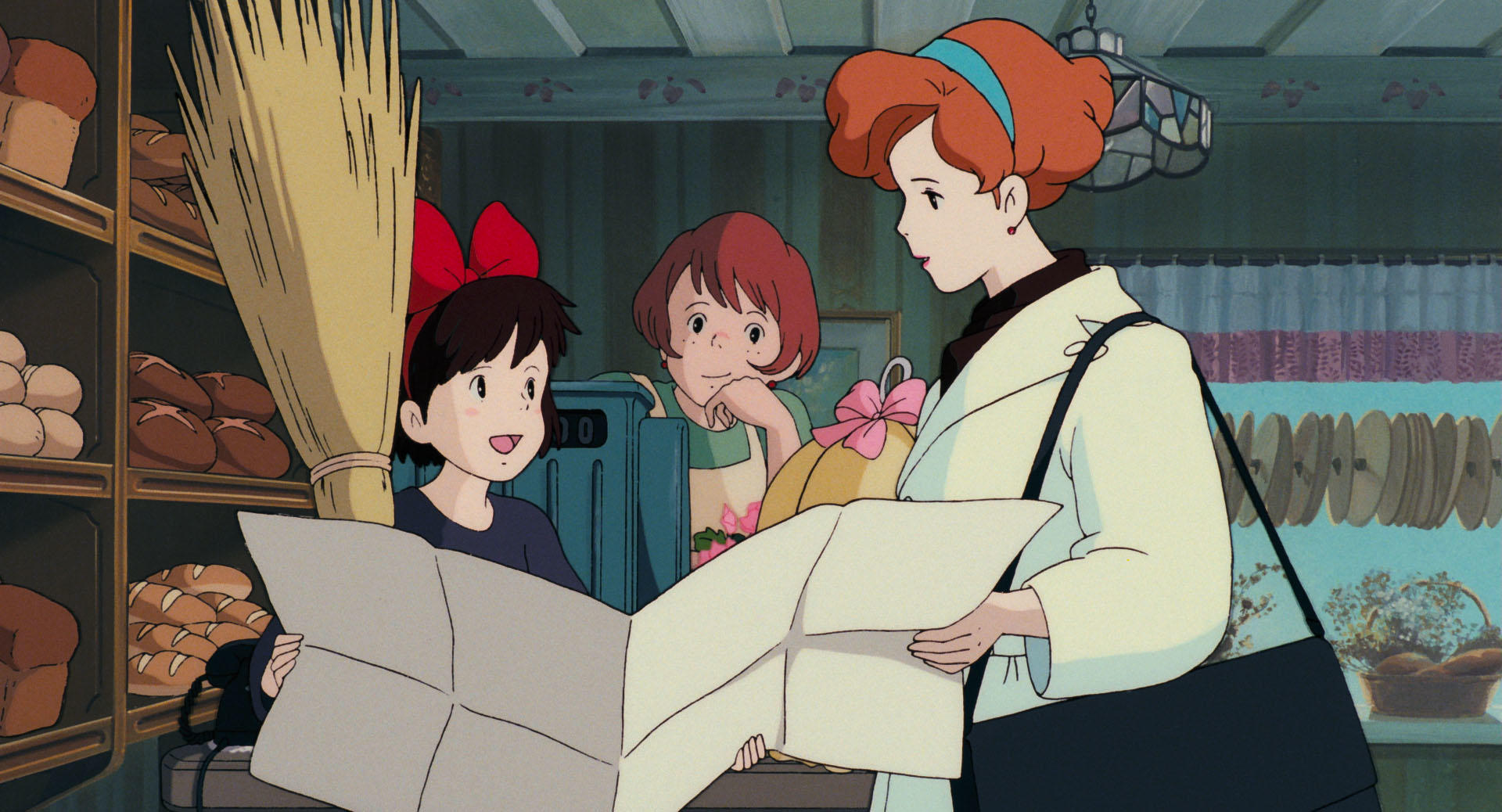
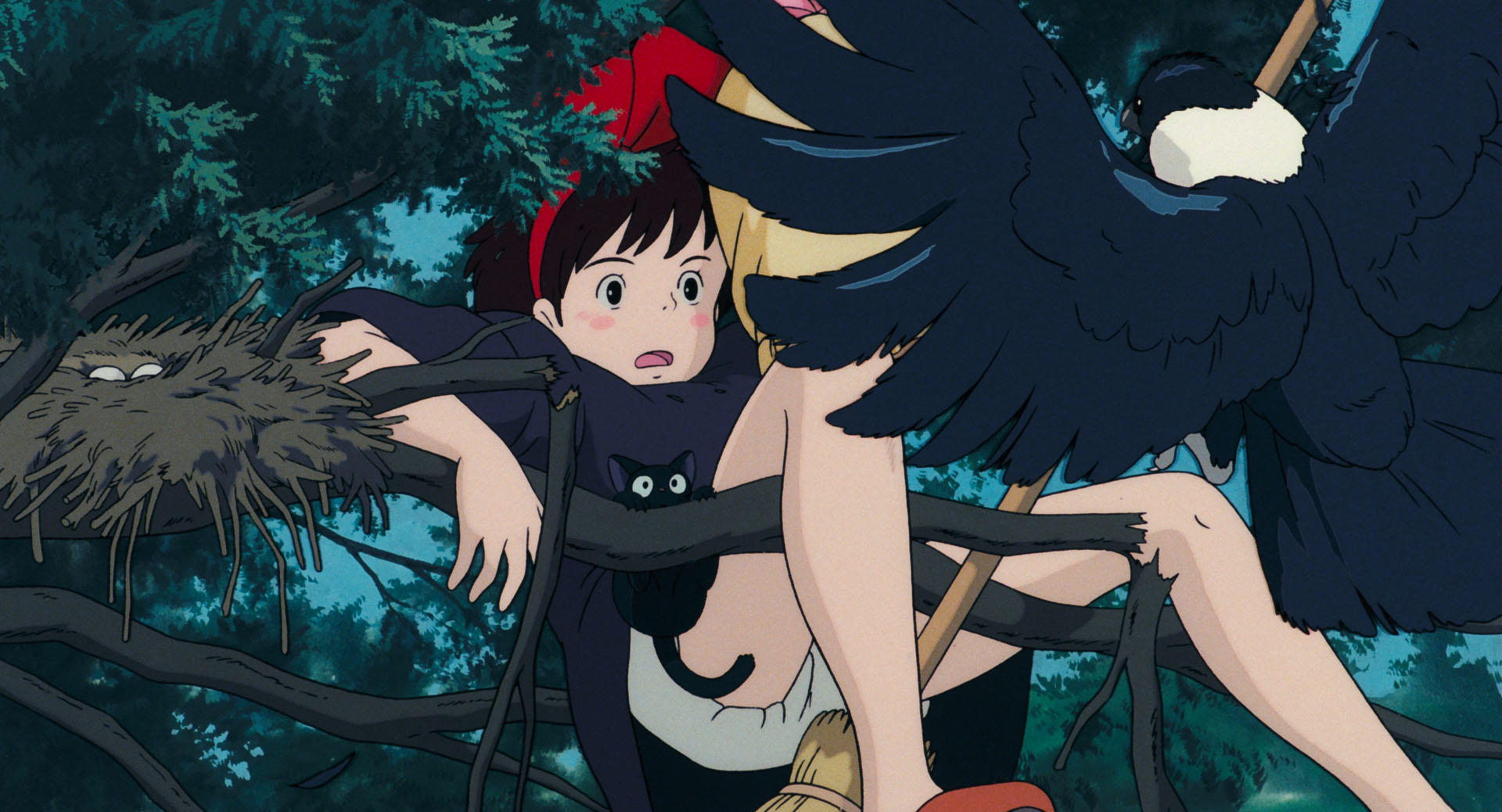
Kiki’s Delivery Service is the clearest Ghibli film about creative burnout because Kiki’s magic is both literal and emotional. She can fly, then suddenly she cannot. She is not lazy, ungrateful, or untalented. She is exhausted, lonely, and under pressure to turn a gift into a working life before she fully understands herself.
That makes the film painfully recognisable for creative people. A skill that once felt natural can become heavy when it is tied to money, identity, deadlines, or other people’s expectations. Kiki does not solve the problem by forcing inspiration. She rests, accepts help, watches another artist work, and slowly reconnects with why the gift mattered in the first place. If Pete’s readers want one Ghibli movie that understands burnout without turning it into motivational fluff, this is the best first recommendation.
2. Whisper of the Heart, for making imperfect work anyway
Whisper of the Heart is the best pick for the anxious early stage of a project. Shizuku wants to write, but wanting to make something meaningful immediately exposes her to embarrassment. Her first serious attempt is not presented as a hidden masterpiece. It is raw, uneven, earnest, and necessary.
That honesty is the point. The film is kind to beginners without lying to them. Shizuku has to discover that talent is not a finished object she either owns or lacks. It is something tested through practice, feedback, and the willingness to be bad at the beginning. For writers, artists, and students who keep waiting until they feel ready, this is one of the most useful Ghibli films to watch.
3. The Wind Rises, for ambition and the cost of craft
The Wind Rises is a more adult and complicated choice. It is not a cosy solution to burnout. Instead, it asks what happens when someone’s beautiful dream is tied to systems, consequences, and compromises they cannot fully control. Jiro’s love of aircraft design is sincere, disciplined, and visually breathtaking, but the film never lets that love remain innocent.
For creative professionals, that tension matters. Many people want to build excellent things, but excellence can become tangled with career pressure, commercial demand, ego, and moral tradeoffs. The Wind Rises is worth watching when you are thinking about ambition itself: what you are building, who it serves, and what kind of life your work is asking from you.
4. My Neighbor Totoro, for rest before output
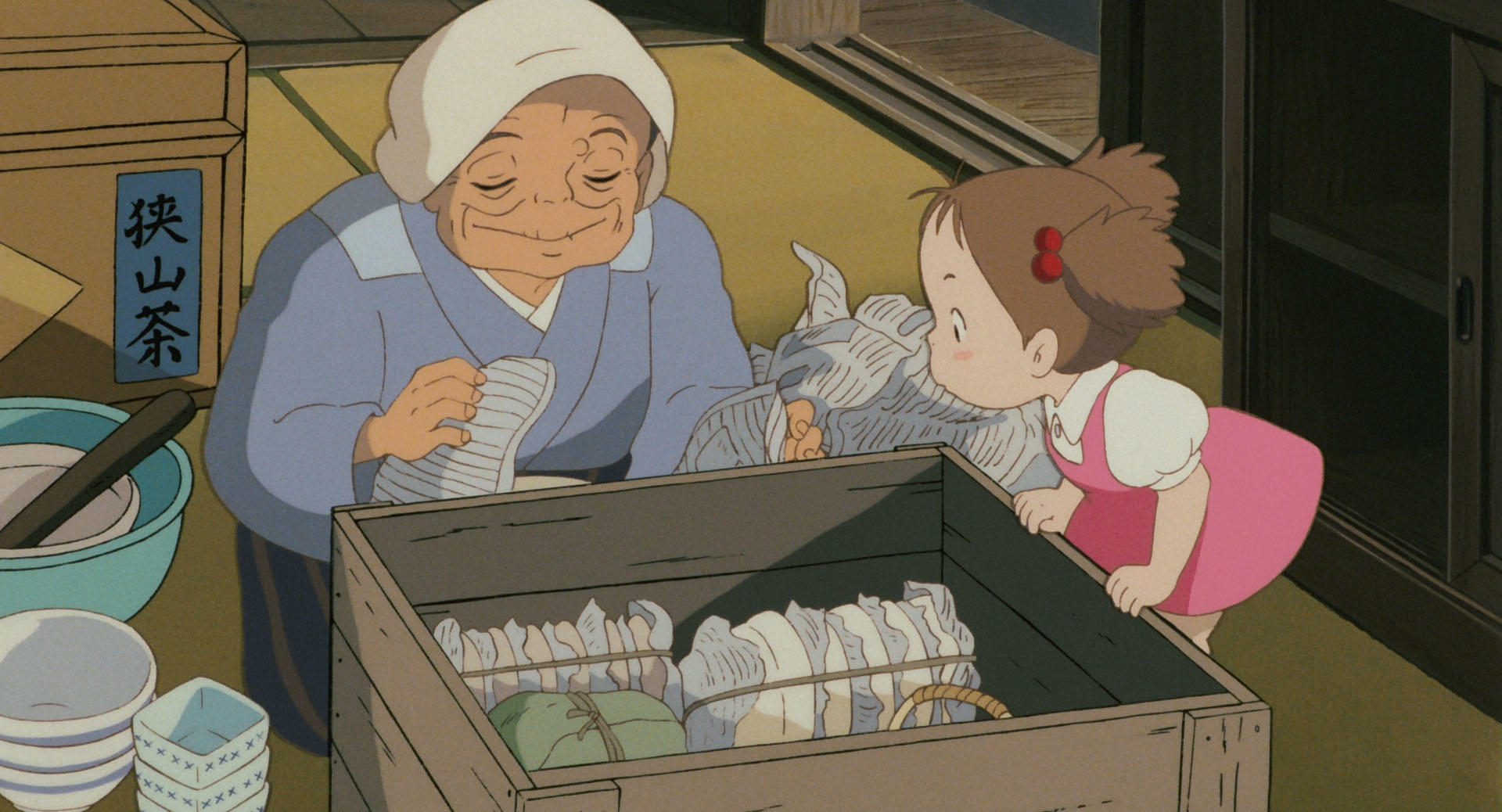
My Neighbor Totoro belongs on this list because creative recovery is not always solved by watching a film about work. Sometimes the useful thing is a film that gives your nervous system room to breathe. Totoro is full of waiting, noticing, gardening, moving house, exploring, and letting wonder arrive without demanding that it become productive.
That makes it a strong reset film for burned-out artists. It reminds you that imagination grows from attention, not just effort. The soot sprites, the giant camphor tree, the Catbus, and the quiet domestic scenes all feel like invitations to look again at ordinary life. If you have been treating every idea as content, output, or performance, Totoro is the film that tells you to slow down first.
5. Howl’s Moving Castle, for identity, style, and creative chaos
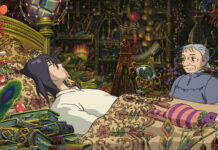
Howl’s Moving Castle is useful for a different kind of creative person: the one who hides behind style, drama, avoidance, or constant motion. Howl is brilliant, magnetic, and theatrical, but he is also scared. The moving castle itself feels like a creative mind in messy form: doors to different worlds, rooms full of clutter, a fragile fire at the centre, and a structure that somehow keeps walking even when it looks impossible.
Sophie’s presence changes the film because she brings steadiness. She does not remove the magic. She gives it a home. That is why the movie works for artists who have lots of ideas but struggle with grounding, finishing, or being seen clearly. It suggests that creativity needs beauty and strangeness, but also care, routine, and people who are allowed to know the real you.
Best picks by creative problem
| Burnout or lost confidence | Kiki’s Delivery Service |
| Fear of starting | Whisper of the Heart |
| Ambition and responsibility | The Wind Rises |
| Need for rest | My Neighbor Totoro |
| Creative chaos and identity | Howl’s Moving Castle |
A practical watch order for burned-out creatives
If you are completely drained, start with My Neighbor Totoro. It does not ask you to solve yourself. Once you have a little more energy, watch Kiki’s Delivery Service for the most direct burnout story. Follow that with Whisper of the Heart when you are ready to make something imperfect again.
Save Howl’s Moving Castle for a night when you want romance, style, and emotional movement. Watch The Wind Rises last, especially if you are thinking seriously about career, craft, or the relationship between beautiful work and real-world consequences. It is inspiring, but not simple, which is exactly why it can stay with you.
Related Studio Ghibli guides
- Kiki’s Delivery Service Movie Guide: Story, Themes, Characters and Who Should Watch It
- Studio Ghibli Food Scenes Explained: Why Meals Feel So Comforting
- The Secret World of Arrietty Beginner Guide: Tiny Stakes, Big Feelings
- Kiki’s Delivery Service Beginner Guide: Kiki, Jiji, and Finding Confidence
- Ponyo Beginner Guide: Why This Joyful Sea Adventure Is Worth Watching
- Spirited Away Beginner Guide: Why It Is the Perfect First Ghibli Movie
- Best Studio Ghibli Comfort Movies: A Cosy Rewatch Guide
FAQ
Which Studio Ghibli movie is best for creative burnout?
Kiki’s Delivery Service is the best single choice. Kiki’s loss of magic works as a gentle but accurate metaphor for burnout, creative block, and the fear that a skill you rely on has suddenly vanished.
Which Ghibli movie should writers watch?
Whisper of the Heart is the strongest pick for writers because it shows the vulnerable first stage of making work. It is especially good for anyone stuck between wanting to create and being afraid the result will not be good enough.
Is The Wind Rises a comfort movie?
Not exactly. The Wind Rises is beautiful and absorbing, but it is more reflective than cosy. It is best for viewers who want a serious film about dreams, design, love, work, and compromise.
Can Studio Ghibli movies help with motivation?
They can, in a soft way. Ghibli films usually do not shout at the viewer to be productive. They are better at restoring attention, patience, and emotional honesty, which are often the things creative motivation actually needs.
Image source note: featured and inline stills are official Studio Ghibli images from ghibli.jp/works, used in line with Studio Ghibli’s published common-sense image guidance.