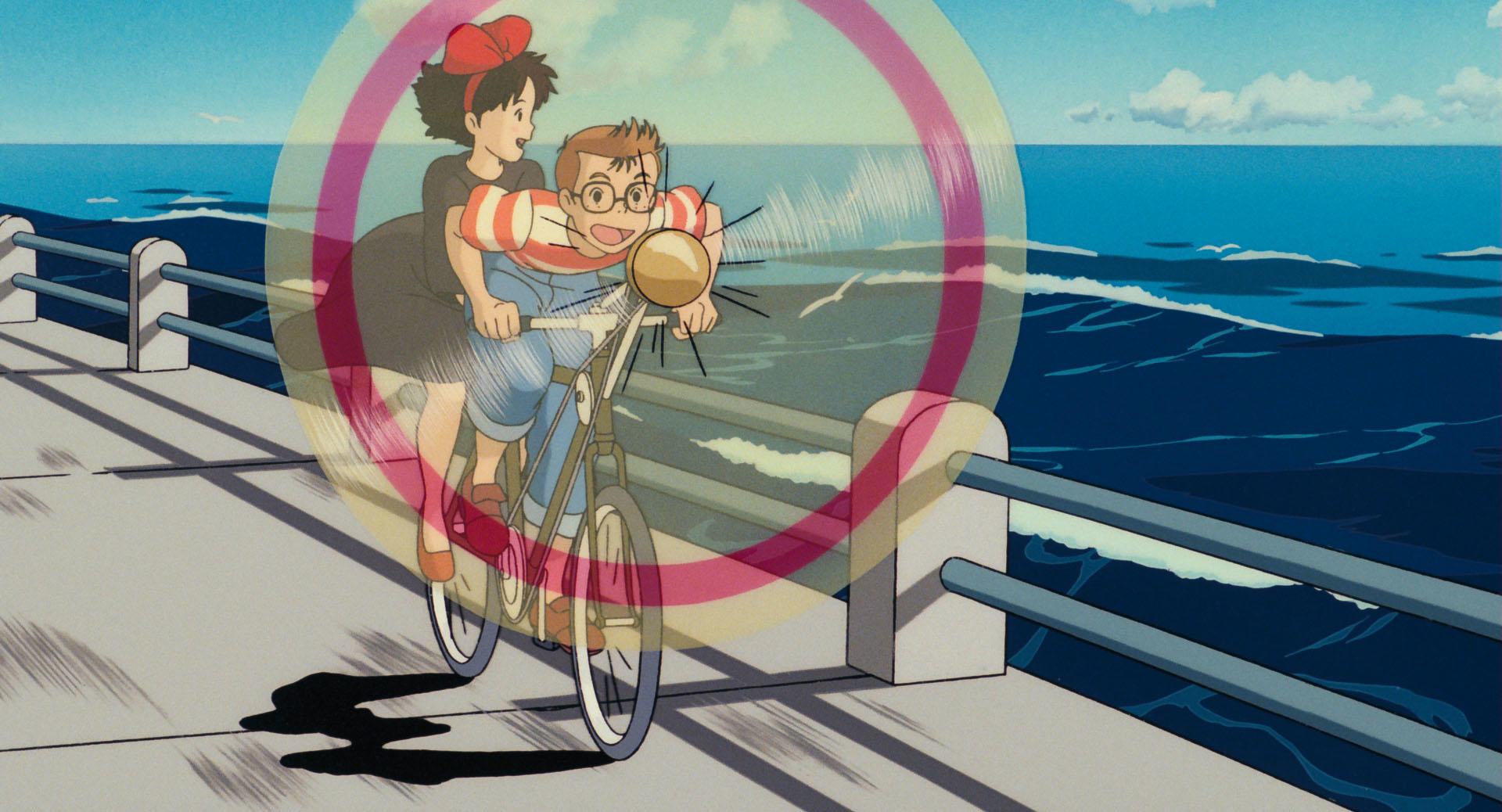
The best Studio Ghibli movies about work and jobs are Kiki’s Delivery Service, Spirited Away, The Wind Rises, Whisper of the Heart and From Up on Poppy Hill. They are not workplace dramas in the usual sense, but they understand something very real: work can give people structure, confidence, pride, pressure, community and, sometimes, a painful loss of self.
This guide is for viewers looking for Ghibli films about jobs, creative labour, growing up through responsibility and finding a healthier relationship with work. It ranks the strongest picks, explains what each film says about labour, and suggests what to watch depending on whether you want comfort, motivation, burnout recognition or a more adult reflection on ambition.
Quick picks: which Ghibli work movie should you watch?
| If you want… | Start with… | Why |
| A gentle story about first jobs | Kiki’s Delivery Service | Kiki learns independence through delivery work, routine and customer care. |
| A magical workplace with real pressure | Spirited Away | The bathhouse turns labour, names and survival into a coming-of-age trial. |
| An adult film about ambition | The Wind Rises | Jiro’s vocation is beautiful, compromised and morally complicated. |
| A creative-confidence story | Whisper of the Heart | Shizuku discovers that talent needs practice, humility and finishing the work. |
| Community work and school responsibility | From Up on Poppy Hill | The students’ clubhouse campaign turns daily effort into shared purpose. |
1. Kiki’s Delivery Service: first job, confidence and burnout
Kiki’s Delivery Service is the clearest Studio Ghibli film about getting a first job. Kiki does not become independent through one grand heroic act. She does it by finding a room, meeting neighbours, making mistakes, taking orders, delivering packages and slowly learning what kind of worker she wants to be.
That is why the film still resonates with students, freelancers, new employees and anyone who has tied too much self-worth to being useful. Kiki’s flying is magical, but her stress is ordinary. A bad customer interaction can shake her. A missed delivery can feel personal. Watching another young person look polished and socially confident can make her feel inadequate. When she loses her magic, the film treats burnout as something more than laziness. It is what happens when joy becomes performance pressure.
The reassuring part is that Kiki does not recover by forcing herself to be cheerful. She rests, accepts help, spends time with Ursula and eventually acts when it matters. For more detail, read our focused Kiki character guide and the Kiki ending explanation.
2. Spirited Away: the bathhouse as a workplace
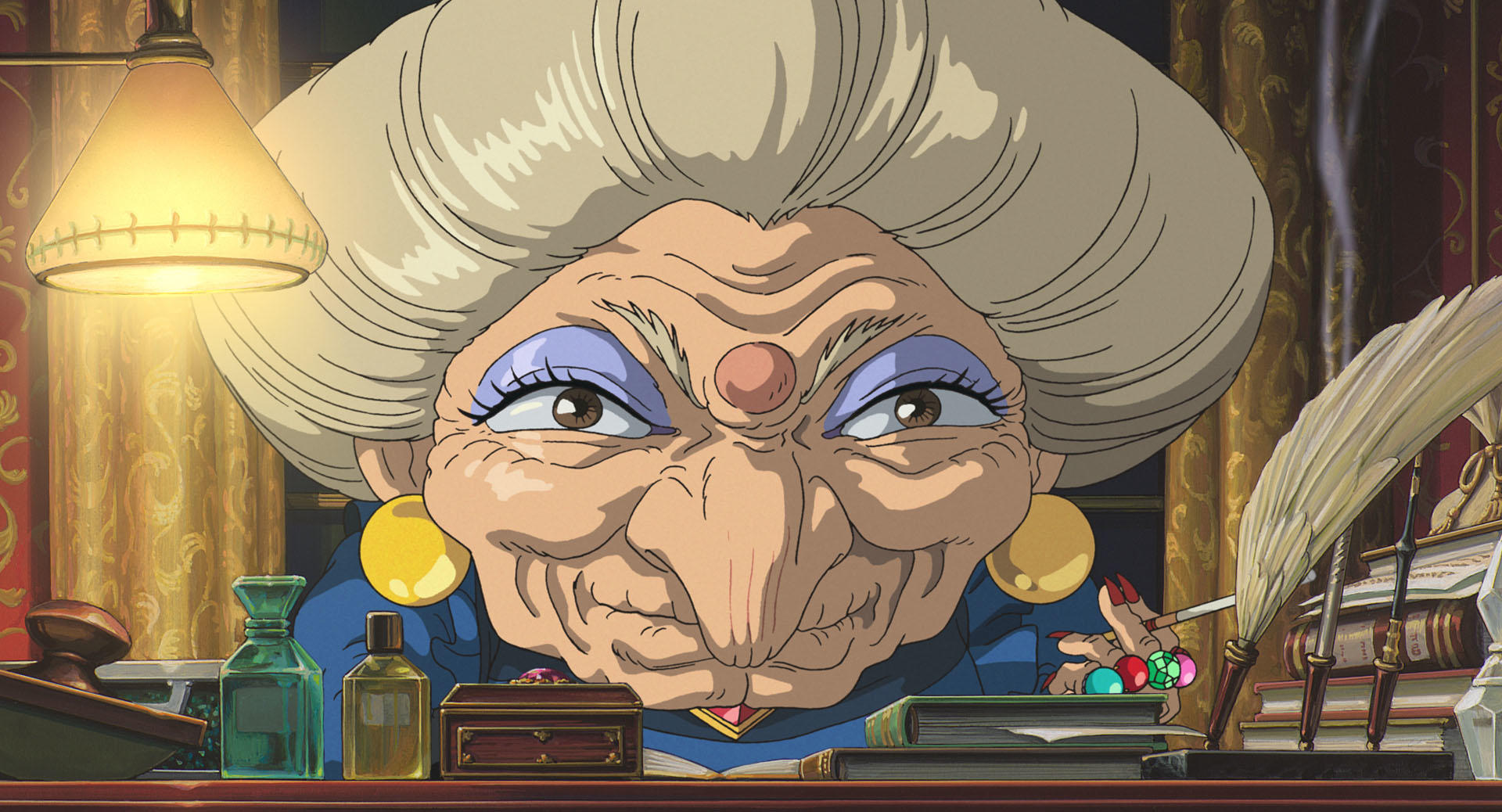
Spirited Away is a fantasy film, but it is also one of Ghibli’s sharpest workplace stories. Chihiro survives because she gets a job, learns names, follows rules, watches more experienced workers and keeps her moral centre inside a system designed to overwhelm her.
The bathhouse is chaotic, funny and beautiful, but it is not soft. People bargain for status. Yubaba controls identity through contracts. Lin knows how to move through the hierarchy. Kamaji looks frightening at first, then becomes a quiet ally. Even the soot sprites suggest that work is everywhere in this world, often hidden behind the spectacle.
What makes Spirited Away powerful as a work story is that Chihiro grows without becoming cynical. She learns competence but does not become cruel. She learns the workplace’s rules but does not let those rules fully define her. If you want to go deeper into the bathhouse side of the film, see our guides to Lin, Kamaji and Yubaba.
3. The Wind Rises: vocation, beauty and responsibility
The Wind Rises is the most adult Ghibli film about work. Jiro Horikoshi’s dream is not simply to have a job, earn money or prove himself. He wants to build beautiful aeroplanes. The problem is that his chosen work exists inside history, industry and war. The film does not reduce that tension to an easy lesson.
That makes it useful for viewers thinking about ambition. Ghibli often celebrates craft, but this film asks what happens when craft is attached to consequences beyond the maker’s control. Jiro’s dedication is inspiring and troubling at the same time. He works hard, imagines deeply and sacrifices much, yet the world around his dream is not innocent.
If Kiki is about first work and Spirited Away is about survival inside a workplace, The Wind Rises is about calling. It is best for adults who want Ghibli at its most reflective, especially after reading our Jiro Horikoshi character guide or the canonical Wind Rises movie guide.
4. Whisper of the Heart: creative work before confidence
Whisper of the Heart is one of the best Ghibli films for writers, artists and creative people because it refuses the fantasy that inspiration is enough. Shizuku wants to make something meaningful, but wanting is not the same as doing. The film lets her discover the awkward middle stage where taste is ahead of skill.
That is a very specific kind of work story. It is not about employment, wages or bosses. It is about practice. Shizuku has to sit with unfinished sentences, doubt, comparison and the humbling realisation that a first serious attempt may be rough. The film is gentle, but not indulgent. It respects creative dreams enough to show the labour underneath them.
This makes Whisper of the Heart a good recommendation for anyone who is procrastinating on a project because they are scared the first version will not match the ideal version in their head. Start with our Shizuku Tsukishima character guide if you want the creative-confidence angle.
5. From Up on Poppy Hill: shared work and civic pride
From Up on Poppy Hill is quieter than the films above, but it has one of Ghibli’s warmest portraits of collective work. The students’ effort to protect and restore the Latin Quarter clubhouse is not glamorous. It involves cleaning, organising, persuading, meeting, arguing and showing adults why a place matters.
That kind of work rarely gets the fantasy spotlight, yet the film understands how meaningful it can be. The students are not saving the world from a giant monster. They are saving a messy, beloved space full of clubs, memories and possibility. For viewers who like community projects, school settings or local heritage stories, it is a strong underappreciated pick.
Honourable mentions
Porco Rosso has a terrific workshop and repair rhythm, especially around Fio’s engineering skill and the community of women who help rebuild Porco’s plane. Castle in the Sky has miners, engineers, pirates and soldiers, making it a broader adventure about technology and labour. My Neighbors the Yamadas includes more everyday family work than people sometimes remember, while Pom Poko turns environmental survival into a collective campaign.
What Ghibli usually gets right about work
Across these films, work is rarely just a career ladder. It is a way people enter the world. Kiki becomes known by delivering things. Chihiro becomes braver by taking responsibility. Shizuku learns that art requires discipline. Jiro discovers that talent does not free a person from consequence. The Poppy Hill students prove that shared effort can make a community visible.
Ghibli’s best work stories also respect rest, friendship and limits. They are not hustle-culture films. They admire effort, but they are suspicious of systems that turn people into tools. That balance is why these movies can feel motivating without becoming simplistic.
FAQ
Which Studio Ghibli movie is best about having a first job?
Kiki’s Delivery Service is the best Ghibli movie about a first job because Kiki’s independence grows through customer service, routine, mistakes and recovery from burnout.
Which Ghibli movie has the strongest workplace setting?
Spirited Away has the strongest workplace setting. The bathhouse has hierarchy, contracts, colleagues, bosses, customers and rules, all filtered through fantasy.
Which Ghibli film is best for creative people?
Whisper of the Heart is the best choice for writers and artists. It focuses on practice, self-doubt and the gap between ambition and early skill.
Is The Wind Rises a good work movie?
Yes, but it is more complicated than a simple inspirational work story. It is about vocation, beauty, ambition and responsibility inside a difficult historical context.
Image credit: Official stills from the Kiki’s Delivery Service and Spirited Away pages on ghibli.jp, used under Studio Ghibli’s common-sense image-use notice. This article is an independent fan guide and is not affiliated with Studio Ghibli.